




What is domain authentication?
Ever wondered how inboxes know your email is really from you and not someone pretending to be
Domain authentication is the process of verifying that an email sender is authorized to send emails on behalf of a specific domain.
It protects your domain from being used in phishing or spoofing attacks and helps receiving email servers determine whether your messages can be trusted. Authentication is performed by configuring DNS records that confirm domain ownership and specify which email servers are allowed to send messages for that domain.
Once domain authentication is set up, this information is included in the email headers and evaluated by receiving servers during delivery. Authenticated domains are more likely to pass spam filters and reach the inbox.
The most commonly used email authentication standards are SPF, DKIM, and DMARC. Together, they establish sender legitimacy, message integrity, and policy enforcement.
What are the benefits of domain authentication?
Domain authentication improves both deliverability and email security. It helps to:
- Prevent emails from being marked as spam
- Improve inbox placement and delivery rates
- Increase trust and credibility with recipients
- Protect your domain against phishing and spoofing
- Strengthen sender reputation over time
Proper authentication is a foundational requirement for reliable and scalable email communication.
Domain authentication FAQs
Domain authentication allows receiving servers to verify that your emails are authorized and legitimate. Without it, emails are more likely to be filtered, rejected, or flagged as spam.
Emails can be sent without authentication, but delivery rates are significantly lower. Most major email providers treat authentication as a baseline requirement.
Unauthenticated emails may fail SPF, DKIM, or DMARC checks, increasing the risk of spam filtering, blocking, or domain misuse by malicious actors.
Setup usually takes only a few minutes. DNS propagation can take up to 48 hours, depending on the domain provider.
Yes. SPF and DKIM verify sender authorization and message integrity, while DMARC defines how failed authentication should be handled. Using all three provides the strongest protection and delivery performance.
Keep reading:
Comparing AI tools for email deliverability success.
An overview of AI tools for the real-time monitoring of email deliverability, and a direct comparison of vendors.
Best email APIs in 2026 (for developers and enterprise teams).
Compare the best email APIs for transactional sending, enterprise compliance, and multi-channel communication.
Improve email deliverability: Your checklist for best results.
Learn how to improve email deliverability, protect sender reputation, and keep campaigns out of spam with a practical checklist and troubleshooting tips.

What is a confirmation email? Examples and templates.
The email everyone waits for after clicking “buy.” Here’s what confirmation emails are, why they matter, and how to write ones that keep customers confident and coming back.
![Mobile phone mockup displaying an email message titled ‘A quick note from [Company Name]’ sent from ‘Atypical.’ The email welcomes the recipient, explains account management on behalf of a creditor, outlines how often messages will be sent, reassures about safe communication, and includes contact and preference update details. The phone is centered on a dark background with abstract pink, orange, and white shapes.](https://cdn-web.infobip.com/uploads/2026/03/blog-email-collections-header-image-600x333.png)
Collections email templates: 8 examples for every stage of the process.
From pre-due reminders to final demands, collections email templates that keep communication professional and payments moving.

What is a transactional email? Examples and best practices.
Learn what a transactional email is, how it differs from marketing emails, see transactional email examples, and follow best practices for design and delivery.

How to craft an effective email marketing strategy plan.
Discover the ins and outs of developing an effective email marketing strategy plan to boost ROI and conversion rates.
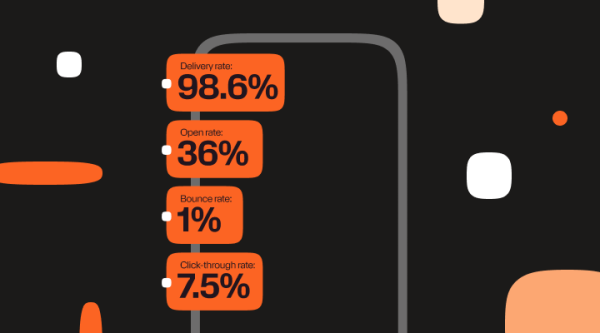
Email reporting masterclass.
The key stats that you should be measuring and how they can be used to improve campaign results and ensure that operational use cases are performing effectively.
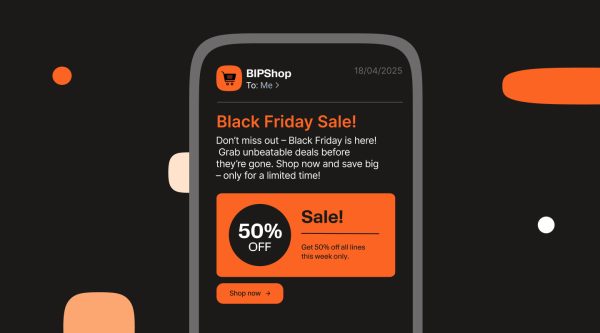
How to nail your email delivery strategy ahead of Black Friday and the shopping season.
With the peak shopping season now extending from October to January, now is the time to ensure that your email strategy and infrastructure is ready to capitalize. Find out how with our detailed guide.
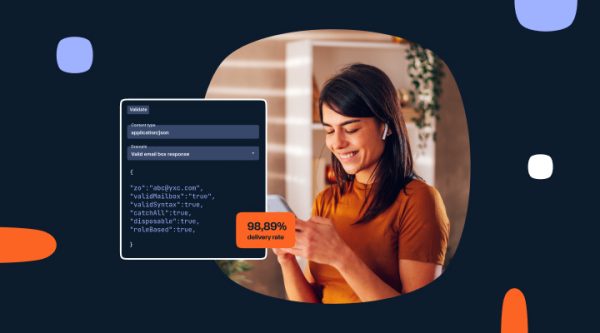
Email validation and list hygiene best practices for maximum deliverability.
Learn how to maintain your email lists to achieve better campaign results through validation and sunset policy best practices.

Gamania: Data and AI transform gamer to game-changer.
Explore Gamania's journey from game developer to pan-entertainment leader and how their partnership with Infobip fuels customer-centric growth through AI and data-driven solutions.
Are Google and Yahoo killing cold emails?.
Google and Yahoo have new rules for bulk email senders to improve the quality of emails, reduce spam, and improve user experience. Here’s everything you need to know.

The ultimate guide to email automation.
The only email automation how to guide you will ever need – packed with practical advice and worked examples. From creating triggered emails to building nurture flows that convert – we cover it all.

GDPR regulations and best practices for transactional emails.
When sending transactional emails does GDPR require you to get opt-in first? Can you add campaign links to the email footer? We answer these questions and many more.
How to check you have correct email addresses for customers.
Having incorrect email addresses for your customers can lead to lost sales, missed opportunities, and frustrated customers. Learn how to ensure that you're reaching the right people.
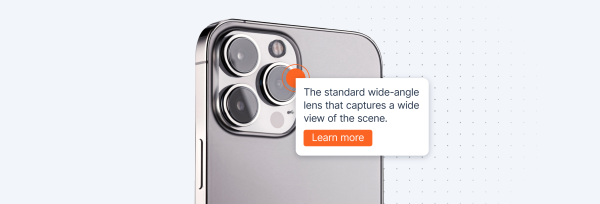
Boost your email ROI with interactive content.
How to use kinetic content and AMP features alongside deep personalization to create emails that stand out in your subscribers' inboxes.
Send Personalized Emails Using Templates through API.
We've added new features to help you personalize your email communication while also simplifying and speeding up the entire process.

How to use HTTP API for sending emails.
Introduce email sending and tracking without additional coding.