



12 examples of Valentine’s Day marketing messages
Because nothing is more attractive than a brand that shows up at just the right moment, these Valentine’s Day marketing messages mix conversation, personalization, and a little romance to turn casual browsers into love-at-first-click customers.

Valentine’s Day is almost here. For brands, it is one of the most important moments of the year to connect with customers who choose you again and again. Seasonal spending keeps climbing, and shoppers are actively looking for the perfect Valentine’s Day gift, thoughtful experiences, and last-minute surprises.
The brands that stand out are not the loudest; they’re the ones that feel personal.
That is where conversational marketing Valentine’s Day strategies come in. They turn simple messages into real interactions, helping you meet customers in the moment, guide decisions, and make buying feel easy.
Read on for three practical tips to build a high-performing Valentine’s Day marketing campaign, plus 11 message ideas designed to spark conversations, build loyalty, and drive sales for romance, friendship, and self-love alike.
Valentine’s day shopping trends
Every year, Valentine’s Day gets bigger and brighter for shoppers. For brands, that means one thing: opportunities.
Let’s talk numbers.
Spending continues to grow. U.S. consumers are expected to spend a record $29.1 billion, up from $27.5 billion last year. Shoppers plan to spend nearly $200 each on average.
$29.1 billion USD projected spending in 2026
More than half of consumers plan on celebrating Valentine’s Day. And they are not only shopping for candlelit dinners or partners anymore.
Customers now buy for family, friends, coworkers, pets, and themselves. Galentine’s Day and self-care gifting ideas are growing fast. Valentine’s Day has become a celebration of every kind of connection.
So what Valentine’s Day gifts are shoppers actually buying?
Candy leads for popularity. Flowers and greeting cards remain classics. Experiences like dinners and nights out still sell well. Jewelry continues to shine, with around $7 billion expected in sales.
It reads like a rom-com montage. Chocolates. Bouquets. A last-minute reservation. A small velvet box.
Behind every purchase is a feeling someone wants to express. For marketers, that is the real story.
When spending rises and the audience widens, your Valentine’s Day marketing ideas cannot be one-size-fits-all. Brands need timely, personalized Valentine’s Day promotions, smart email marketing, and messaging that feels effortless.
Show up at the right moment and the sale follows naturally.
Valentine’s Day spending at a glance
- Total U.S. spending projected at $29.1 billion, the highest on record
- Average spend per person: $199.78
- 56% plan to buy candy
- 41% plan to buy flowers
- 41% plan to buy greeting cards
- Jewelry leads in value with $7 billion in sales
- Jewelry leads in value with $7 billion in sales
Why conversational marketing matters on Valentine’s Day
Conversational marketing is not just another tactic. It is the difference between broadcasting messages and actually being invited into someone’s moment.
Instead of pushing emails and hoping they convert, you open a two-way conversation across SMS, WhatsApp, chat, and email campaigns. Customers can ask questions, get help, and buy in the same flow.
It feels less like marketing and more like support.
This holiday runs on emotion and urgency. People forget. Plans change. Many purchases happen late at night or at the last minute. These last minute shoppers are high intent buyers.
A simple Valentine’s Day chatbot marketing example proves it. A shopper taps a “chat now” button, answers a few quick questions, sees personalized bouquets, and checks out in minutes. No forms. No stress.
The result is simple: Less friction → more connection → more sales.
These are the kinds of Valentine’s Day conversational marketing examples that turn panic into purchases.
Picture this example:
A frantic husband sees a targeted ad on his social media for last minute Valentine’s Day gifts and realizes that tomorrow is Valentine’s Day and hasn’t bought his beloved wife of 15 years a gift. He rushes to click on the “chat” button on the ad and it takes him to a chatbot conversation on WhatsApp with his local florist.

The chatbot is designed to take orders, suggest products, take content for greeting cards, and help with completing an order.
The chatbot asks what colors and flowers his wife likes, what message he would like on the card, and comes up with some bouquet options that can be delivered the next day. Our forgetful husband is relieved and lives to see another Valentine’s Day.

By leveraging conversational marketing, the florist can engage with customers in real-time, provide a more personalized shopping experience over their preferred channels, and ultimately increase sales.
Why conversational campaigns convert better
- Shoppers expect fast, personalized service and real-time support across every channel, and brands that meet those expectations see stronger purchase intent and higher satisfaction.
- Conversational experiences like chat, messaging, and AI assistants influence buying decisions because customers view them as guided, personalized help rather than traditional marketing.
- When questions are answered instantly and friction disappears, the path from discovery to checkout gets shorter, which leads to higher conversions and stronger loyalty.
12 use cases for Valentine’s Day marketing messages
So, you want to take a conversational approach to marketing messages on Valentine’s Day. Here are our favorite love-filled ideas for marketing messages to use this Valentine’s Day.
1. Special Valentine’s Day offers
Most shoppers are always looking for a deal. Make sure your brand is top-of-mind for Valentine’s Day gifts. Use targeted messaging to notify customers about special Valentine sales and deals to encourage them to purchase gifts on time.
Best practice: Use push notifications from your app to notify shoppers about products on their favorites list that are included in the sale.

2. Use a discount code
Promote specific products with discount codes sent on your customers favorite channels. Use straight forward language and a simple code to promote your sale.
Best practice: Use RCS carousels to showcase products that they can save on and answer any questions right in the chat.

3. Last minute deals
Target last-minute shoppers with special deals. Customers who purchased Valentine’s gifts the previous year but haven’t gotten around to it this year. Encourage the purchase with a last-minute offer reminding them of the holiday.
Best practice: Schedule your messages to go out at the perfect moment and use behavorial data to target the shoppers who haven’t made a Valentine’s Day purchase.

4. Galentine’s Day bundle deals
Valentine’s Day isn’t just for romantic partners. Galentine’s Day has gained popularity over the years, so target shoppers who would be interested in buying gifts for their friends on Valentine’s Day.
Best practice: Try offering bundle deals like buy two get one free for prospective customers who would be buying for friend groups this Valentine’s Day.

5. Gamify Valentine’s Day
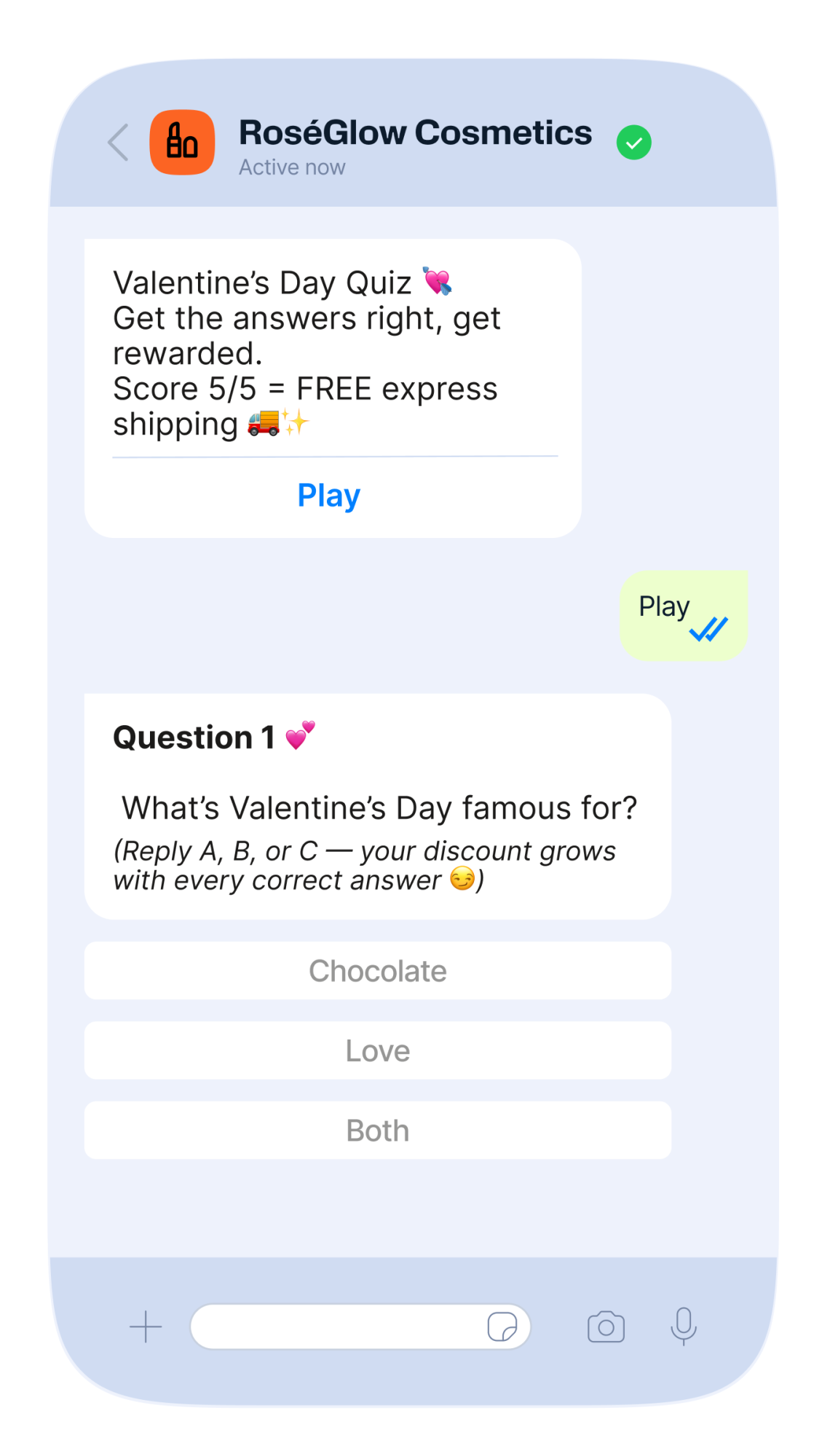
Send a cheeky message like “Forgot Valentine’s Day? Play to unlock your deal.” Shoppers jump into a quick Valentine’s quiz and earn bigger rewards with every right answer, from discounts to free express shipping. It feels more like a game night than a sale, which makes the win feel earned and a lot more fun to use.
Best practice: Tie rewards to quiz scores, such as bigger discounts or free express shipping for a perfect run, and reveal the prize instantly to keep the momentum going.
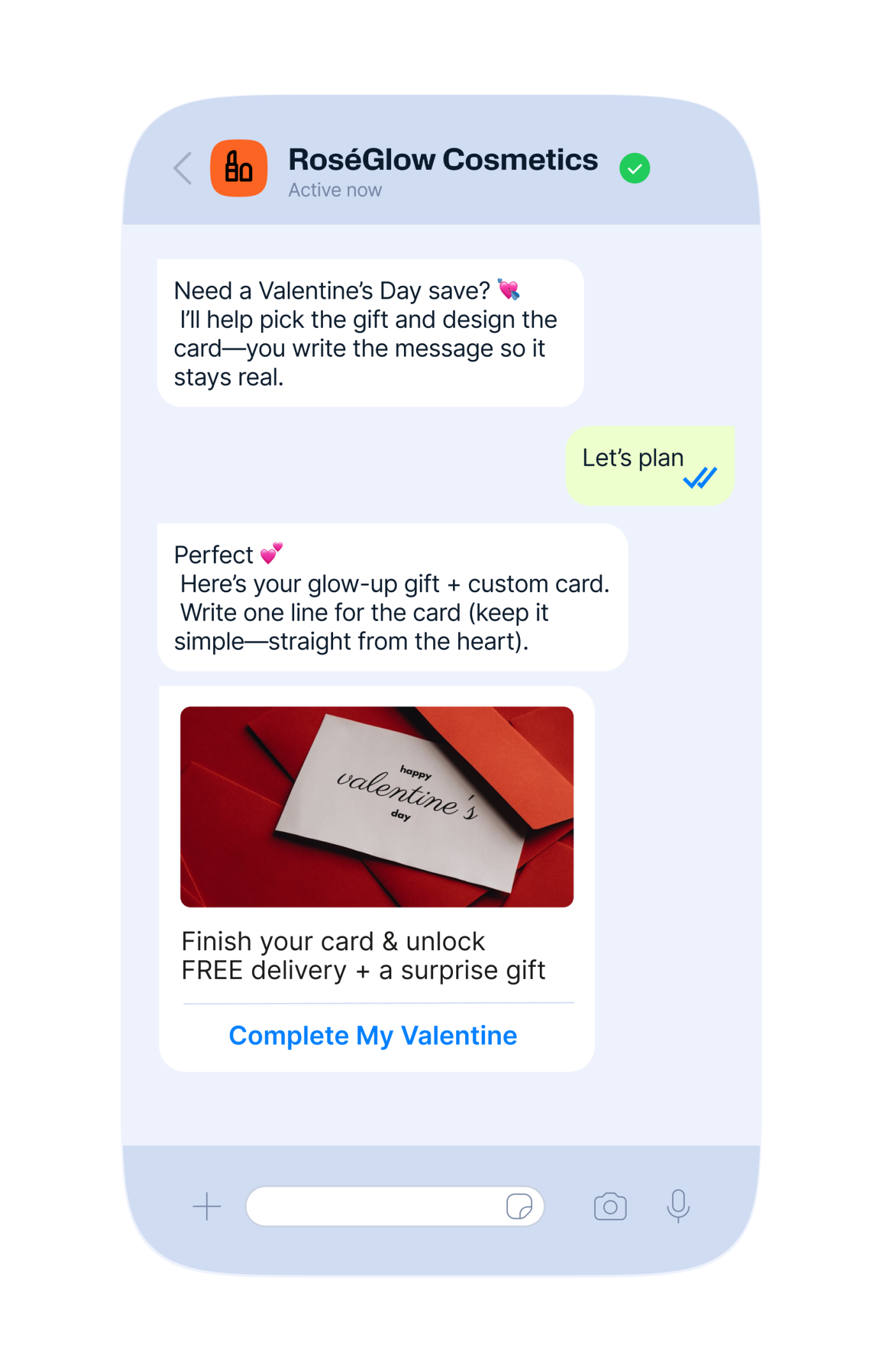
6. AI assistant with a human touch
Launch an AI assistant that helps customers plan the day, suggest gifts, and design a custom card. It can pull together ideas fast, but keep the final message human by asking customers to write the card text themselves.
AI can move fast, but love should still sound like you.
Best practice: Reward completed cards with free delivery or exclusive offers, and offer templates or prompts so customers can write something personal without overthinking.
7. Self-care on Valentine’s Day
Not everyone celebrates Valentine’s Day, but the opportunity to connect with singles on Valentine’s Day can still make an impact. Connect with customers by encouraging self-care purchases or to show themselves some love on this holiday.
Best practice: Use playful language that still matches your brand personality so generate a connection with customers who might not be celebrating this day of love.

8. Offer flexible delivery and pick-up
This is a great offer for customers that order on time and ones that wait until the last minute. Offer flexible pick-up of orders and easy change of delivery address or time to keep customers satisfied.
Best practice: Offer this solution within one conversation. Start by reminding them of their order and if there are any changes they would like to make – which they can do directly in the chat.

9. Ask loyal customers to be your Valentine
Your loyal customers deserve a little treat on Valentine’s Day. Use a promotional message to let them know when they make a purchase, they will get a special gift just for them from your brand.
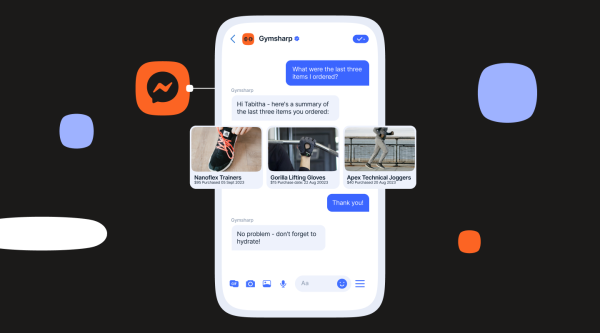
Best practice: Use a digital channel like RCS or WhatsApp to get access to product messages and buttons where customers can easily choose their gift in chat.

10. Make booking a table simple
If you are a restaurant, make it simple to book a table, even at the last minute with an in-chat booking process that can lead to more conversions and a full dining room.
Best practice: If you find you have room for more reservations on Valentine’s Day, target customers who haven’t booked a table and allow them to make a reservation through a conversation, without switching screens or making a call.

11. Promote experiences over products
This is a great tactic for brands that specialize in services, like travel, hotels, spas, or even niche brands like pottery classes, vineyards, or child-care services. Promote bonding activities and experiences over products and offer special deals for couples on Valentine’s Day.
Best practice: Target couples with children and encourage them to enjoy a one-on-one experience with their partner that will create long lasting memories of their favorite Valentine’s Day.

12. Gift giving guide
A great way to spark customer engagement with marketing messages is creating a flow for a gift giving guide. Ask simple questions that can help narrow down what gift the shopper might be interested in buying for their loved one. It can boost engagement and offer customers a fun and low effort way to shop for gifts.
Best practice: Use WhatsApp Flows to design a “quiz” that customers can fill out easily in the chat, followed by product messages of the items that best suit their results.

Examples of conversational solutions for Valentine’s Day
Because nothing proves the power of conversational marketing like a few real love stories, here are brands that turned simple Valentine’s Day messages into serious sales.
Floward: Improving customer service during peak season
Floward is a one-stop-shop for easy to purchase flowers and gifts in MENA and the UK. The eCommerce store is wildly popular and needed to find a way to streamline customer service on busy days like Valentine’s Day.
With a conversational solution on WhatsApp to speed up customer service for FAQs and delivery inquiries and offload simple tasks from busy agents.
On Valentine’s Day, the chatbot handled 54,000 conversations compared to an average day that saw about 4,000-5,000 interactions. The brand experienced a cost reduction of 14% and customers felt valued, understood, and more loyal.


GAME HOURS: Engaging campaigns for female gamers
GAME HOURS is a Taiwan based mobile gaming company that launched a game called Night and Light targeted to female users. They needed an innovative marketing campaign to promote the game with global reach.
They built a campaign that resonated with their female audience using SMS, email and voice channels. Users could talk to a male character from the game over a voice call and it would encourage them to try to play. This strategy led to increased player interaction and satisfaction, demonstrating the effectiveness of tailored messaging in the gaming industry.
99% of gamers that listened to the phone call went on to play the game.
6.8% increase in views on Facebook after Valentine’s Day campaign
Throwback inspiration: Ted Baker’s gamified campaign
Here’s a fun throwback. Around Valentine’s season ten years ago, Ted Baker launched a playful microsite game called Hook Your SoleMate, where visitors could play a lighthearted fishing game for the chance to win vouchers and even a £1,000 shopping spree. Instead of pushing another promo banner, the brand invited people to play. The experience felt more like entertainment than advertising, which kept shoppers on the site longer, encouraged browsing, and drove tens of thousands of additional visits, including around 10,000 in the first 24 hours.
That was 2016.
Now imagine a campaign like that today. Add WhatsApp, chatbots, AI agents, instant rewards, and personalized offers delivered in real time. Instead of a microsite, it lives inside a conversation. Instead of thousands of plays, you are looking at millions of interactions.
These Valentine’s Day marketing campaign examples show how interactive experiences can drive measurable results across service, engagement, and conversion.
Tips for effective conversational marketing
1. Omnichannel customer engagement
Valentine’s Day is all about meaningful conversations, but reality isn’t always perfect. A bouquet and chocolates make a great gift, until a delivery issue arises. Are you ready to assist customers anytime, anywhere?
An omnichannel customer engagement approach ensures seamless support by unifying multiple digital channels. Instead of just selling, create an experience that blends convenience with personalization. Conversational marketing helps customers find the perfect gift through product analytics, personalized marketing, and digital channels.
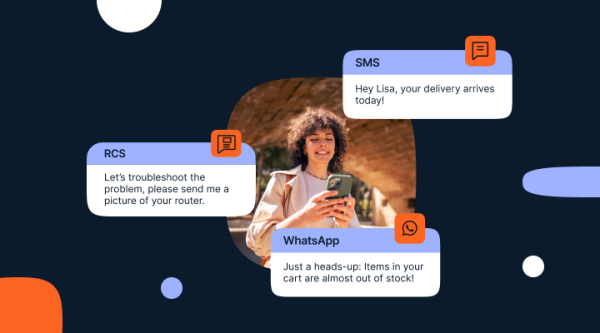
With an omnichannel strategy, brands can engage customers across SMS, Email, RCS, WhatsApp, Viber, Instagram, and more, ensuring seamless support throughout their journey.
2. Introduce automation for 24/7 support
Transforming your company’s communication and support is key to a holistic customer engagement strategy. An omnichannel platform streamlines CX, digitalizes workflows, and enhances efficiency.
Put yourself in the customer’s shoes—what if their flowers won’t arrive on time? They expect:
- Instant responses
- Quick resolutions & convenience
- Knowledgeable support
A cloud contact center with AI chatbots automates FAQs, reduces friction, and improves key metrics. By enabling self-service, brands ensure faster responses, shorter resolution times, and a seamless customer experience.
3. Utilize data to segment your audience
Today’s customers expect personalized experiences tailored to their needs. While product quality matters, they seek deeper connections with brands. They may know they have a need but not how your products can help. By understanding them better, you can offer more accurate recommendations.
A customer engagement solution enables personalized journeys through targeted campaigns based on behavior and preferences. When integrated with a customer data platform, it automatically builds detailed customer profiles, providing real-time insights into product usage and channel preferences.
The result? Stronger segmentation, hyper-personalization, and deeper customer relationships.
Conversational marketing: where great customer stories begin
Valentine’s Day is one of the busiest shopping moments of the year. Expectations are high. Customers want fast, easy, and personal experiences.
A smart day marketing campaign built on conversations helps you show up at the right time, guide decisions, and remove obstacles.
Test these Valentine’s Day marketing examples. Add personality, try something playful. Because the brands that win are not chasing one-time sales, they build relationships.
If this were a rom-com, this is the scene where the couple runs back to each other at the airport.
In your world, it is customers coming back every season, every holiday, every time they need the perfect gift. That is the happy ending worth aiming for.
Make the most of Valentine’s Day with conversational marketing
Deep dive into conversational marketing and start driving business growth with the right strategies

FAQs
It is a strategy that uses chat, SMS, and messaging apps to guide shoppers in real time and make gift buying faster and more personal.
Many purchases are emotional and last minute. Real-time help removes friction and boosts conversions.
SMS, WhatsApp, email marketing, and chatbots perform well because they are instant and mobile friendly.
Use purchase history, preferences, and behavior to recommend specific gifts and send tailored promotions.
Gift guides, discount codes, bundle deals, gamified challenges, and AI shopping assistants.
Yes. Many brands use chatbots to answer questions, suggest products, and complete orders faster.
Start warming audiences in late January and increase urgency during the week of February 14.