


What is branded calling? Branded Calling ID explained
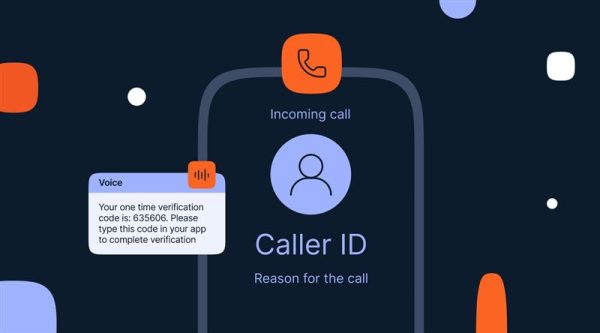
Branded calling displays your company name, logo, and reason for calling on a recipient’s screen before they pick up. Learn how it works, who it’s for, and how to get started.

Branded calling displays your company name, logo, and reason for calling on a recipient’s screen before they pick up. That matters because 82% of people ignore calls from unknown numbers. For a collections team, that’s more dials per resolved account. For a healthcare provider, it’s patients missing appointment reminders because the number looked like spam.
On the other hand, 76% of users would answer if they can see who’s calling or why.
What is branded calling?
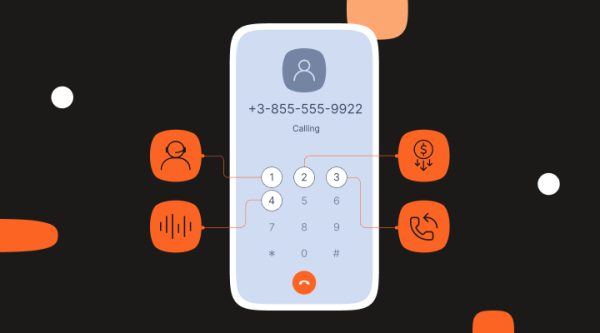
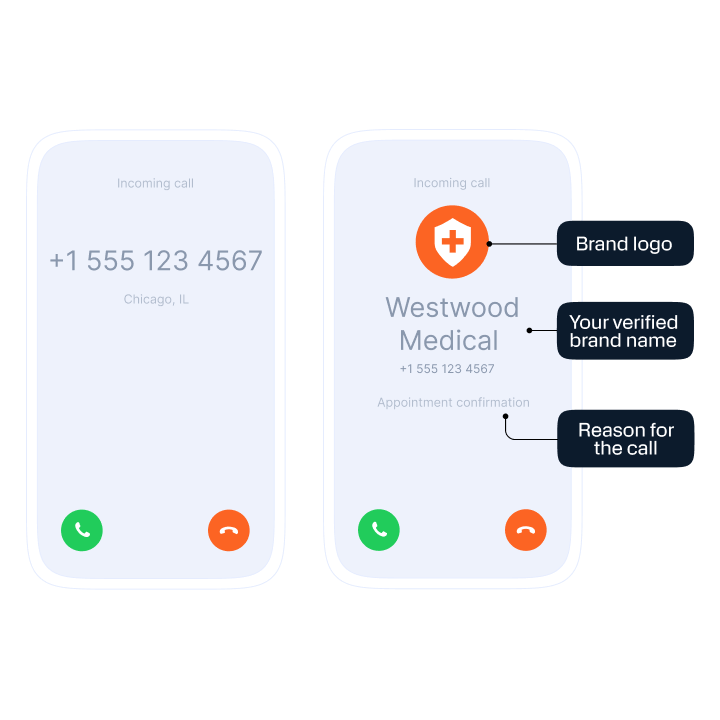
Branded calling lets businesses display verified identity information on a recipient’s phone screen before the call is answered. Instead of an unknown number, the recipient sees your company name, logo, and reason for the call. That information is verified by the carrier network before it reaches the device, so the display can’t be spoofed the way a standard caller ID can. It applies to outbound calls from business phone numbers and works on both iOS and Android where the carrier and device manufacturer support it.
A business can have a registered phone number and a CNAM (Caller Name) record without having branded caller ID. CNAM puts a name string on screen in some contexts, but it is not carrier-verified, does not support logos, and cannot show a call reason.
Robocall fraud losses reached $80 billion globally in 2025, according to Juniper Research. Years of spam calls have conditioned people to ignore numbers they don’t recognise, and that scepticism doesn’t distinguish between a scammer and your collections team. Branded calling gives businesses a way to re-establish identity before the recipient decides whether to answer.
What is Branded Calling ID?
Branded Calling ID is Infobip’s industry-adopted, CTIA-governed framework that specifically refers to what appears on the incoming call screen: your business name, logo, and reason for the call, in place of a raw phone number.
Why is vetting the trust layer behind Branded Calling ID?
Vetting is what gives BCID its credibility. Unlike simple name display, BCID uses an authorized vetting process to help confirm that a business is legitimate, that its brand elements are properly authorized, and that its calling purpose is credible. This trust layer helps strengthen brand protection, reduce misuse, and create a more reliable caller experience.
Branded Calling ID vs CNAM: What’s the difference?
| Feature | CNAM (Legacy) | BCID (Branded Calling) |
|---|---|---|
| Display | Text name only | Brand name + logo + call reason |
| Security | Not cryptographically secured | STIR/SHAKEN + multi-carrier verification |
| Consistency | Varies by carrier and device | Works across major US carriers |
| Spoof protection | Low – easily tampered | High – cryptographically signed |
| Industry backing | Proprietary systems | CTIA-standardized, carrier-backed |
| Fallback available | N/A | CNAM as fallback on non-BCID devices |
| Vetting | N/A | Vetting process included |
Legacy CNAM still has its place. It works on older devices and networks that don’t yet support BCID. But for brands that need security, consistency, and higher answer rates, BCID is the clear choice.
How does branded calling work?
Branded calling works by combining carrier-level call authentication with a registered business identity dataset transmitted alongside the call signal. When a business places an outbound call, the carrier validates the call using STIR/SHAKEN protocols, retrieves the registered brand data, and pushes it to the recipient’s device before the phone rings.

STIR/SHAKEN attestation
STIR/SHAKEN (Secure Telephone Identity Revisited / Signature-based Handling of Asserted information using toKENs) is the US regulatory framework that authenticates the origin of phone calls. When a call is placed, the originating carrier assigns an attestation level.
The one that matters for branded calling is A-level (Full Attestation), which means the carrier can verify both the customer and that the specific number belongs to them. B-level means the carrier knows the customer but can’t confirm that number. C-level means the carrier only knows where the call entered the network. Branded call display works reliably at A-level. Below that, it may not appear at all, or may be flagged as suspicious on the recipient’s device.
STIR/SHAKEN was introduced specifically to combat robocall fraud, which costs consumers and businesses billions each year. For branded calling, it also provides the verified call signal that makes the display trustworthy.
CTIA Branded Calling ID (BCID) program
The CTIA Branded Calling ID program is the industry standard for businesses to register their identity data. To participate, a business submits its company name, logo, and approved call reason categories to a BCID registry. The registry is maintained by a third-party aggregator and accessed by participating carriers when a call is placed. Registration requires that the business owns or has authorisation to use the numbers being registered. Submitted data is reviewed before going live, which is what makes Branded Calling ID displays trustworthy by design.
- Call reasons. The program offers predefined call reason categories to display on the recipient’s screen. These cover common business scenarios like appointment reminders, order updates, delivery notifications, payment reminders, fraud alerts, and account management. Using a recognised call reason helps recipients understand why they are being contacted before they answer.
- Logo requirements. Logos must be submitted as colour PNG files at a minimum of 400×400 pixels. The CTIA recommends a solid background colour behind the logo for consistent rendering across devices and carriers. Full specifications are available in the BCID brand guidelines.
What the recipient sees
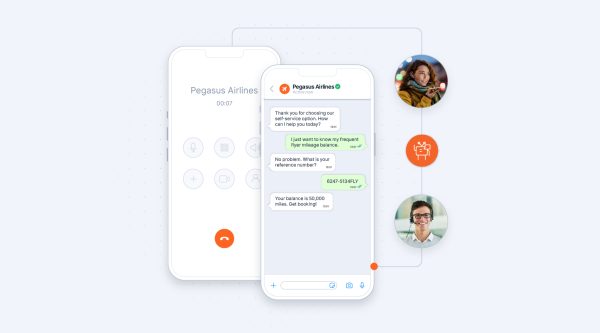
Depending on your OS, mobile phone model, and carrier, the display may vary. In most cases, it will show your company name, logo, and reason for calling. Android devices typically display all three, while iOS devices may vary depending on the version and settings.
Benefits of branded calling
The most direct impact is answer rate. When recipients see your company name and reason for calling before they pick up, they answer more often. Fewer declined calls means fewer re-dials per resolved interaction and lower cost per connection.
Every outbound call is also a brand impression. Your name and logo appear whether the recipient answers or not. That’s consistent exposure with no additional spend.
of users would answer if they can see who’s calling or why
Spam labelling is an underappreciated operational risk. Numbers that accumulate complaints get flagged as “Spam Likely” or “Scam Risk” by carriers and call-screening apps. Once flagged, answer rates can drop hard, and recovery takes months. BCID registration signals to the carrier ecosystem that the number belongs to a verified business, reducing the chance of getting there in the first place.

A call that arrives with a stated reason also feels different. Customers know who’s calling and why before they decide to pick up. That cuts the two-second “is this spam?” calculation, and for most people, that’s enough to answer.
Most providers surface analytics by registered number, call reason, and time of day. That gives your contact centre team real data on what’s working instead of optimising on dial volume alone.
Get in touch with us to register your interest in the USA program and stay ahead of future Voice solutions for businesses:
Use cases for branded calling
The verticals where branded calling matters most are the ones where a missed call costs something specific.
Financial services
Banks, lenders, and insurance providers make high volumes of outbound calls for fraud alerts, payment reminders, loan status updates, and policy renewals. These calls are time-sensitive, but customers have been trained to distrust financial calls from unknown numbers because of scams. Business caller ID from a verified institution cuts through that hesitation. In collections, a higher answer rate on the first dial has a measurable effect on recovery rates.

Healthcare
Appointment reminders, prescription notifications, care coordination calls, and post-discharge follow-ups all depend on patients answering. Missed calls lead to missed appointments, medication gaps, and avoidable readmissions. A recognisable provider name and a clear reason for the call improve the chance that patients actually pick up.

Retail and eCommerce
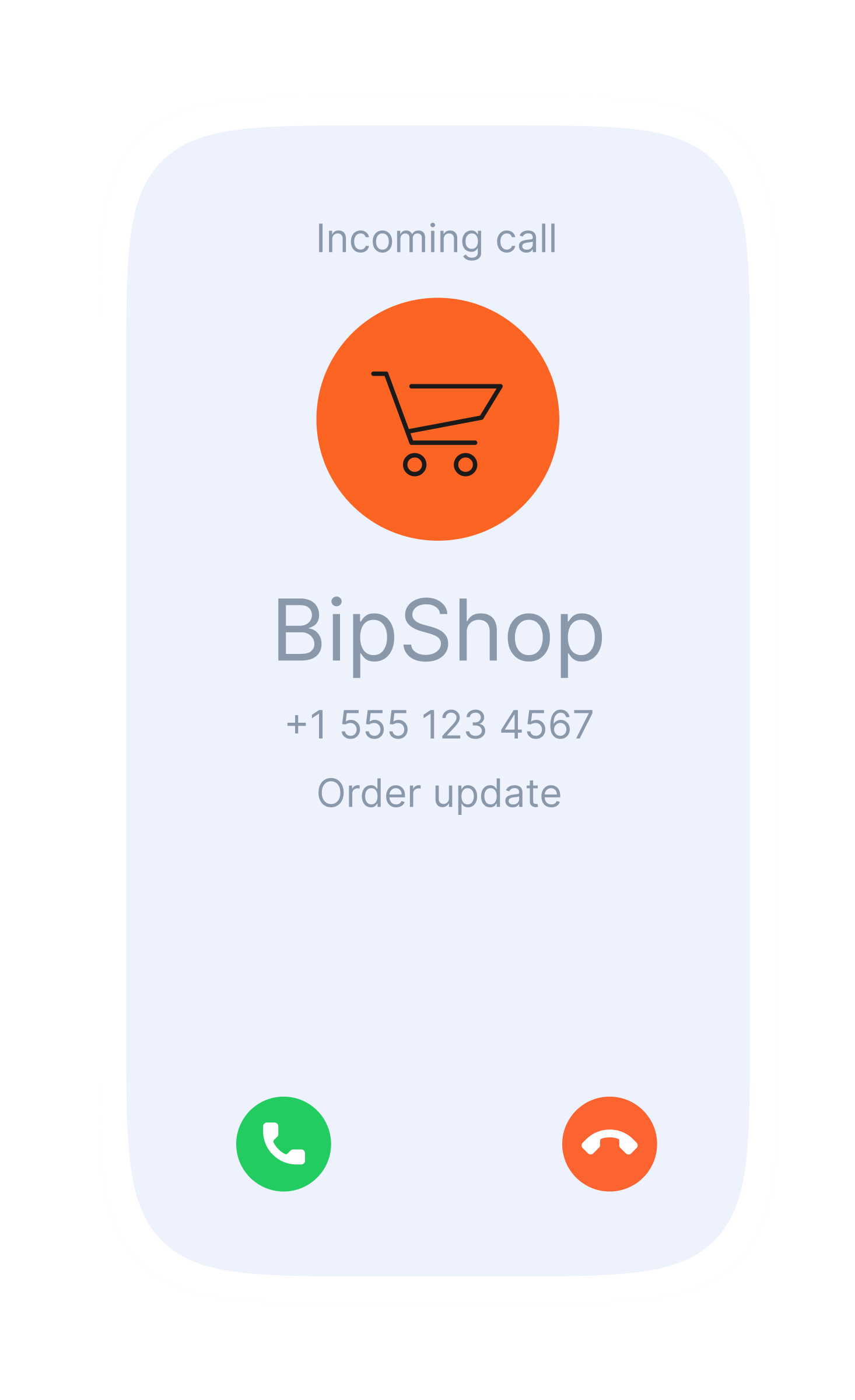
Order status updates, delivery exception alerts, and return coordination are the most common outbound call scenarios in retail. A customer who sees “Order update” from a retailer they recently bought from is far more likely to answer than one who sees an unrecognised number. Branded calling reduces “where is my order” contacts by getting the information to the customer before they need to chase it.
Logistics and delivery
Last-mile delivery coordination is time-critical. Drivers and dispatchers need to reach customers in narrow windows to confirm access, reroute deliveries, or collect signatures. Every unanswered call delays the route. Branded Calling ID with a “Delivery update” reason gets customers to the phone when it matters.

Telecommunications
Telcos and MVNOs make outbound calls for account management, upgrade offers, service notifications, and support follow-ups. Large call volumes and thin margins make answer rate a commercial priority. Branded calling is also a natural product to offer business clients on their network who run their own outbound programmes.

Professional services
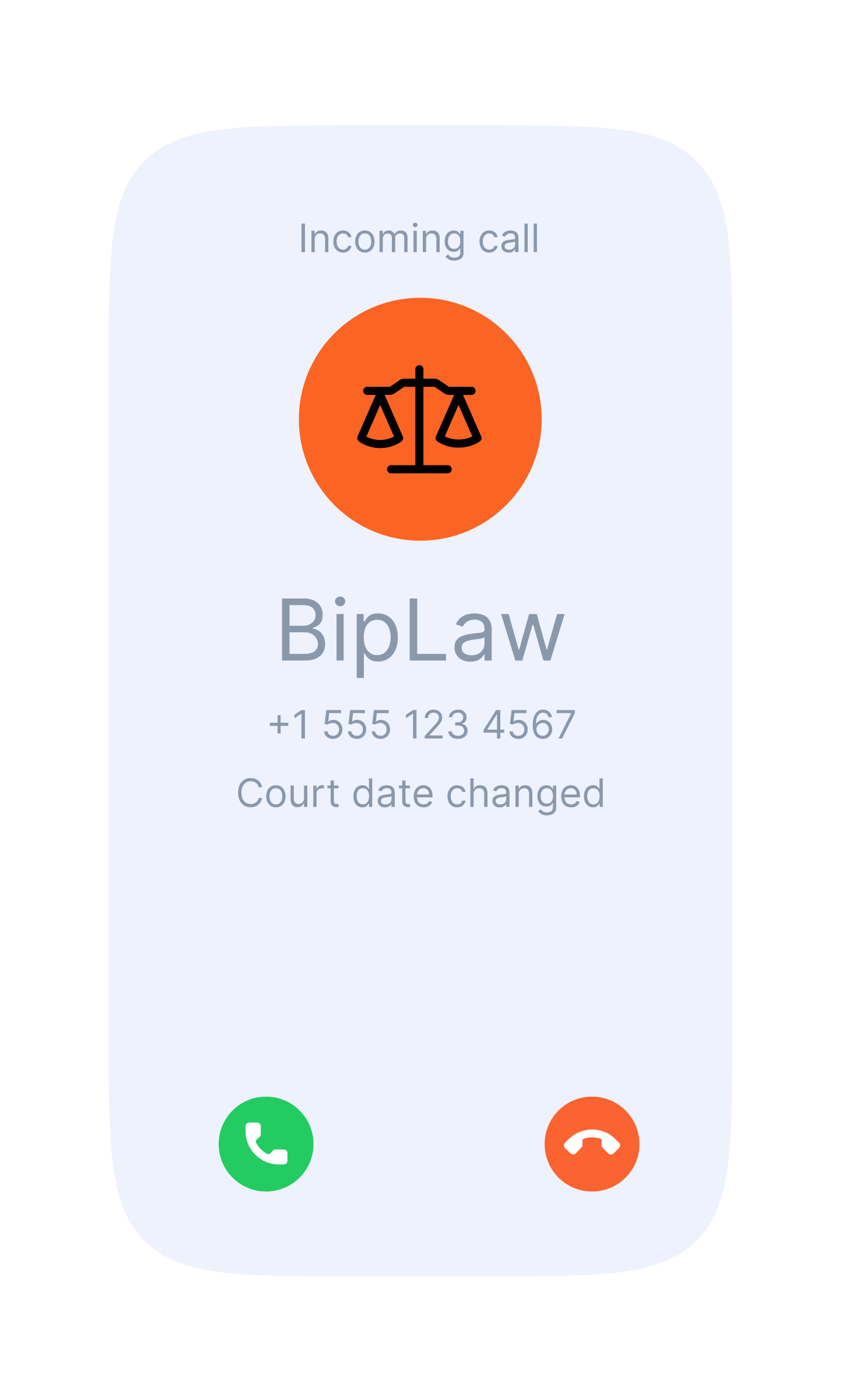
Law firms, accounting practices, and consulting firms call clients about court dates, filing deadlines, and audit schedules. Missing a call about a court date or audit schedule has real consequences. Caller ID branding means the number looks like it belongs to the firm before the client decides to answer.
How to get started with Infobip
Infobip’s Branded Calling ID covers number registration, vetting process, and branded call display across participating carrier networks. You register your business name, logo, and approved call reason categories through Infobip’s communications platform.
The process starts with number registration and vetting process. Once complete, branded call display goes live on participating networks. Infobip’s team works with you through the requirements to make sure your numbers are set up correctly.
Frequently asked questions
Branded Calling ID is the display mechanism that shows your business name, logo, and reason for calling on a recipient’s incoming call screen before they answer. The information is verified at the carrier level, not just pulled from a database, so it can’t be spoofed. Most people use the term interchangeably with branded calling.
Branded calling lets businesses display verified identity information on a recipient’s phone screen before a call is answered. It covers number registration, carrier-level authentication, and the on-screen display. In practical terms, the recipient sees your company name, logo, and reason for calling instead of an unknown number.
When a business places a call, the originating carrier authenticates it using STIR/SHAKEN protocols and retrieves the business’s registered brand data from a CTIA Branded Calling ID (BCID) registry. That data reaches the recipient’s device before the phone rings. The result is an incoming call screen showing your business name, logo, and call reason.
A branded call is an outbound call placed from a registered business number that delivers verified identity information to the recipient’s screen before they answer. The call signal itself is the same as any other phone call. The difference is what the recipient sees. Instead of an unrecognised number, they see your verified name, logo, and reason for calling.
Pricing varies by provider, number of registered phone numbers, call volume, and region. Registration fees typically apply per number, and some providers charge per call for the branded display. Contact our sales team for pricing specific to your volumes and use case.
CNAM (Caller Name) stores a text name with a phone number in a database. It shows a name on some devices and carriers, but the display is inconsistent, there’s no carrier-level verification, and it can’t include a logo or call reason. Branded calling runs on STIR/SHAKEN authentication and the CTIA BCID registry. The identity information is carrier-verified before it reaches the device, which means consistent display across participating networks and no spoofing risk.
BCID vetting is the verification step that confirms a business is legitimate before it can use BCID on calls.
Vetting helps build trust, protect brand integrity, and reduce misuse by making sure only verified businesses can use BCID.
BCID vetting is performed by an authorized CTIA vetting agent.