

Cyber Week 2025: What 12.2 billion interactions reveal about how shoppers bought, browsed, and interacted this season
The 2025 shopping season wasn’t just bigger. It was smarter, more digital, and more AI-assisted, something we saw firsthand as 12.2 billion interactions moved across our platform during Cyber Week.

The long lines and doorbuster chaos that once defined Black Friday have mostly faded, but the appetite for deals has not. Shoppers are still spending, but they’re just doing it differently. Instead of chasing offers in-store, they’re scanning their phones, waiting for the right alert, the right push, or the right message to tell them a deal is worth it.
Deals now find the shopper, not the other way around, and the channels delivering them determine whether they notice and act on an offer or not.
This shopping season, customers relied on mobile channels to discover deals, confirm purchases, track deliveries, and get support. Behind the scenes, AI helped streamline many of these interactions, improving speed, accuracy, and clarity during the busiest shopping week of the year.
Across our platform, brands and customers exchanged 12.2 billion interactions during Cyber Week (Black Friday through Cyber Monday). A clear sign that shoppers expect fast communication, consistent updates, and a smooth experience from the moment they show interest to the moment their order arrives, and after.
Infobip handles Cyber Week 2025 with 0 downtime or outages
Shopping season sales of 2025
The 2025 shopping season delivered strong results online and across mobile channels, driven by earlier deal discovery, smarter digital journeys, and increasing use of AI-supported shopping behavior. Consumers didn’t necessarily buy more, but they bought more intelligently, relying on technology to help them compare prices, evaluate options, and time their purchases.
$11.8 billion
in U.S. online Black Friday sales, up 9.1% year-over-year
$79 billion
spent online (+6%), with $18 billion coming from the U.S. market
$12 million
spent every minute during Black Friday’s peak hours
But, the most interesting part was the role AI played in shaping demand. AI-driven traffic surged across retail sites this season, influencing what shoppers discovered, what they compared, and what they ultimately purchased:
- AI-generated traffic to U.S. retail sites grew 805% year-over-year
- $14.2B of global sales and $3B of U.S. sales on Black Friday to AI-driven activity
Shoppers used AI-enhanced search, recommendations, and chat-based discovery to find the best value and fast. Whether browsing for the right product, comparing promotions, or checking availability, AI became an everyday part of the shopping journey, even if customers didn’t always notice it happening.
And as AI made discovery faster, messaging channels became the place where decisions were finalized, and clear and timely communication became a major driver of engagement.
Our analysis of 12.2 billion Cyber Week interactions shows exactly how brands engaged customers this season and which messaging channels played the biggest role.
A quick summary of Cyber Week 2025
- 12.2 billion total interactions during Cyber Week
- 3.9 billion interactions on Black Friday
- 3.4 billion interactions on Cyber Monday
- 5.17% increase overall

Peak shopping periods stress test every messaging platform. When millions of customers are waiting for updates, reliability cannot be visible, it simply has to happen. Retailers do not get a second chance during Black Friday, so our platform is engineered to safeguard those mission critical moments, from flash sale alerts to payment and delivery confirmations.

Izabel Jelenić
CTO, Infobip
Holiday messaging trends by region 2025
Cyber Week may have started as a U.S.-centric shopping event, but it has steadily evolved into a global retail moment. Messaging habits, channel preferences, and customer expectations varied meaningfully by region, creating distinct communication patterns throughout the week. These trends mirror broader communication patterns across markets, where preferred messaging apps can differ widely.
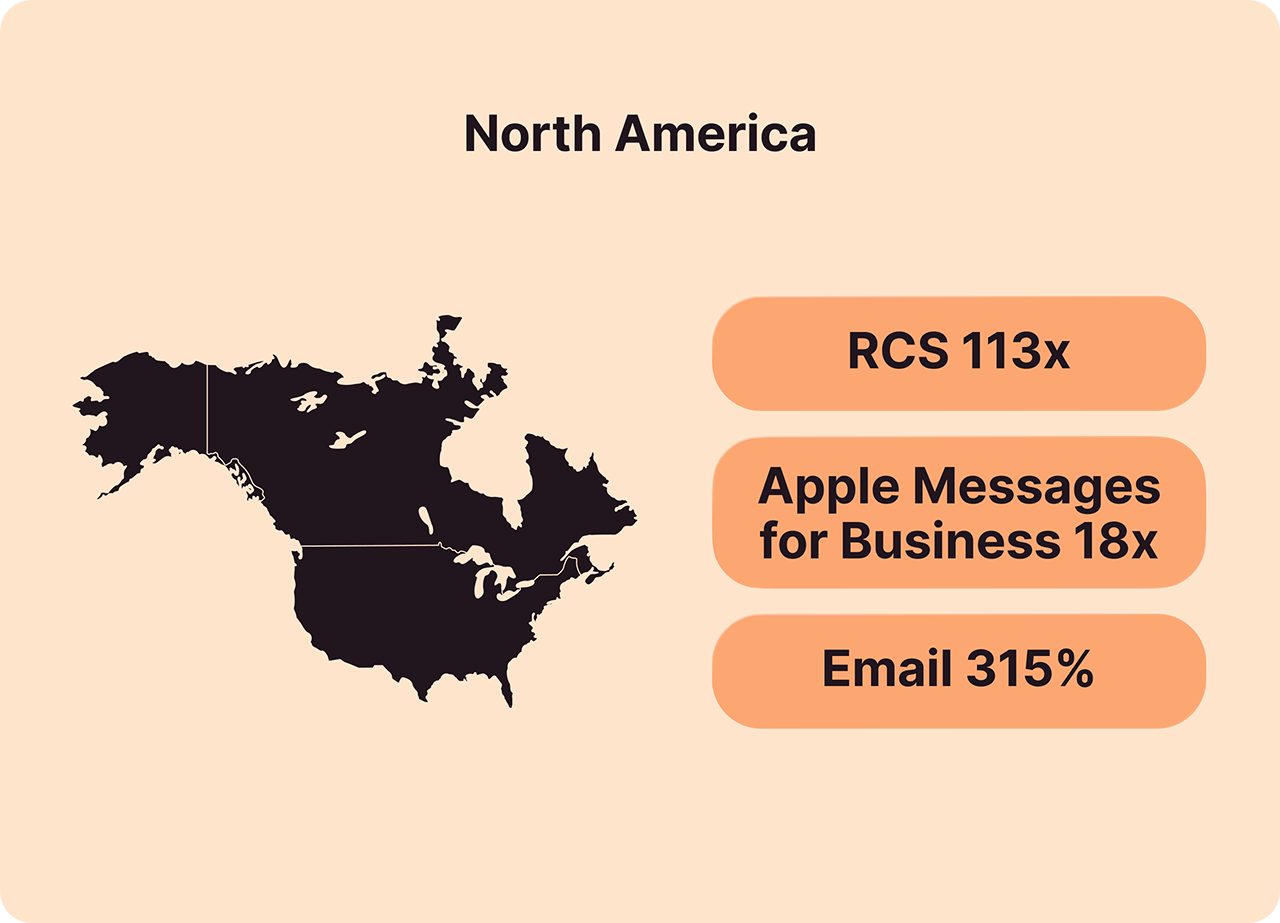
North America: RCS and Apple Messages for Business redefine the shopping experience
North America showed some of the most dramatic channel-level changes of any region this season. RCS grew 113x year-over-year, and Apple Messages for Business grew 18x, both reflecting rapid mainstream adoption of rich messaging formats. Email also recorded exceptional growth, underlining the continued strength of promotional email for peak season campaigns.
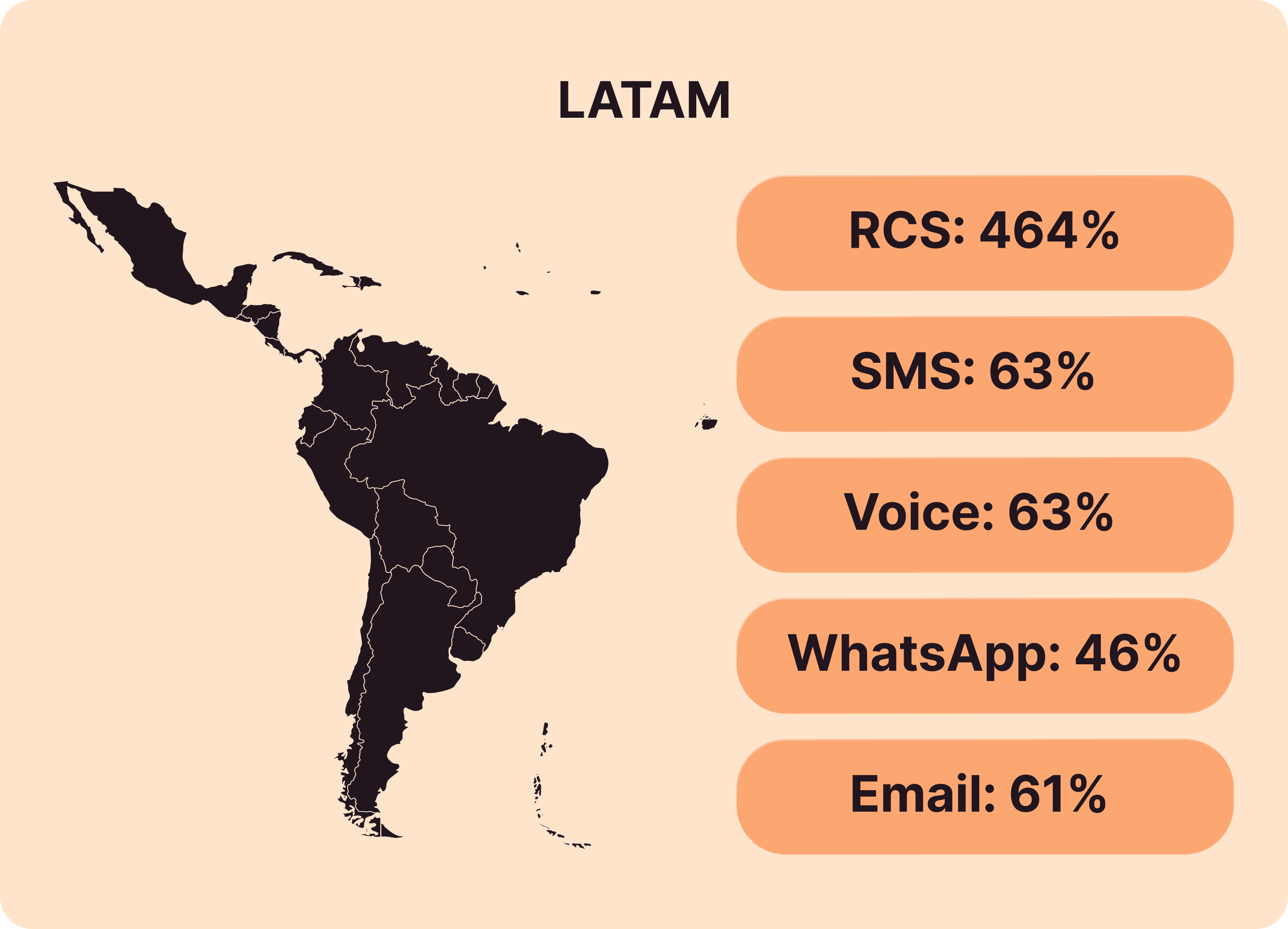
LATAM: Rapid adoption of rich messaging and strong omnichannel habits
RCS in particular saw significant momentum, reflecting how LATAM shoppers are increasingly comfortable engaging with brands through rich, guided mobile experiences. While, WhatsApp remained a core part of the shopping journey, consistent with its role as one of the region’s dominant communication apps.
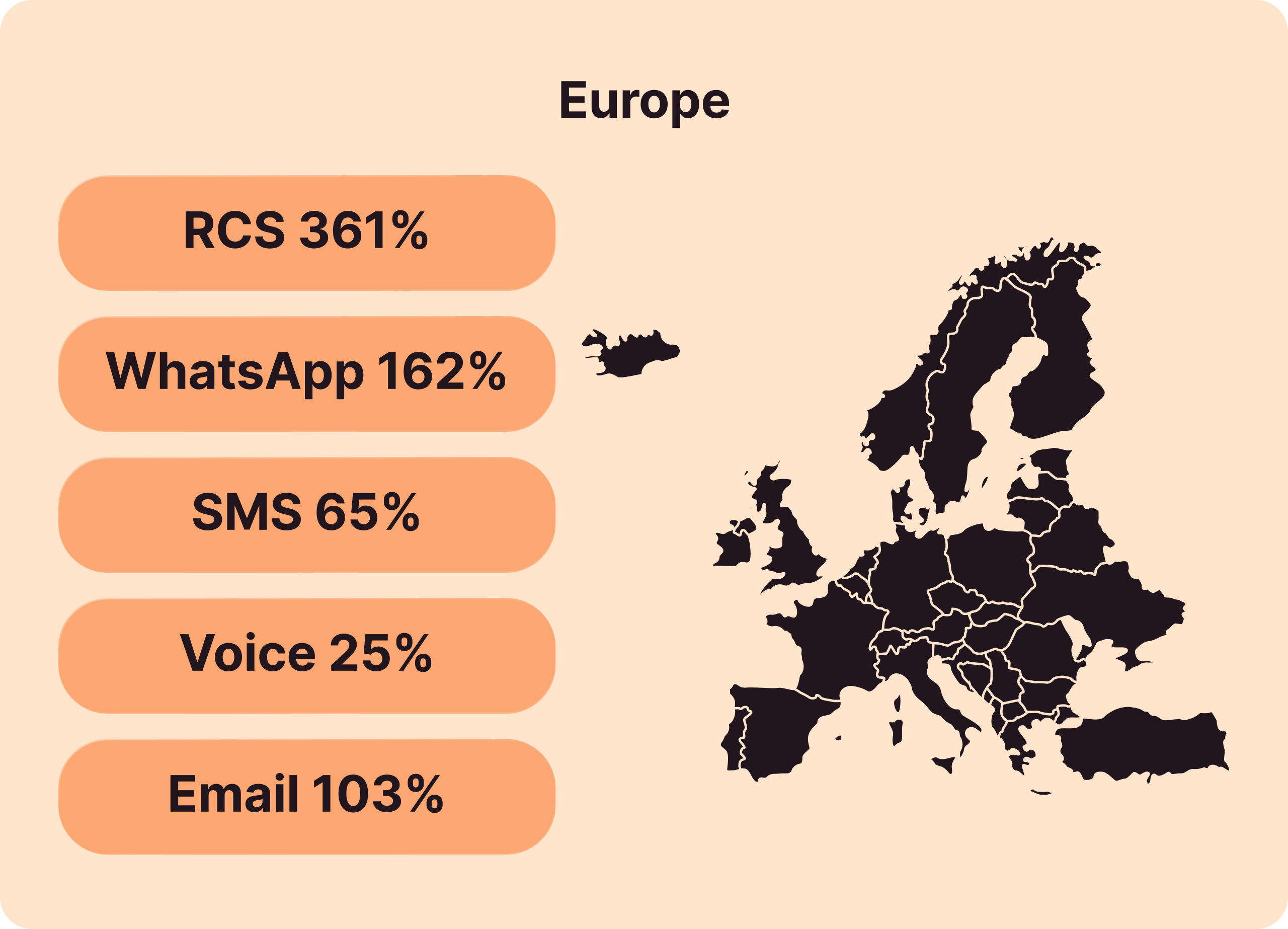
Europe: Strong momentum for RCS and WhatsApp
Europe saw notable gains in rich, interactive messaging this season, with RCS contributing a significant share of overall growth. WhatsApp usage also grew steadily across the region, while Email continued to anchor many retailers’ promotional strategies.
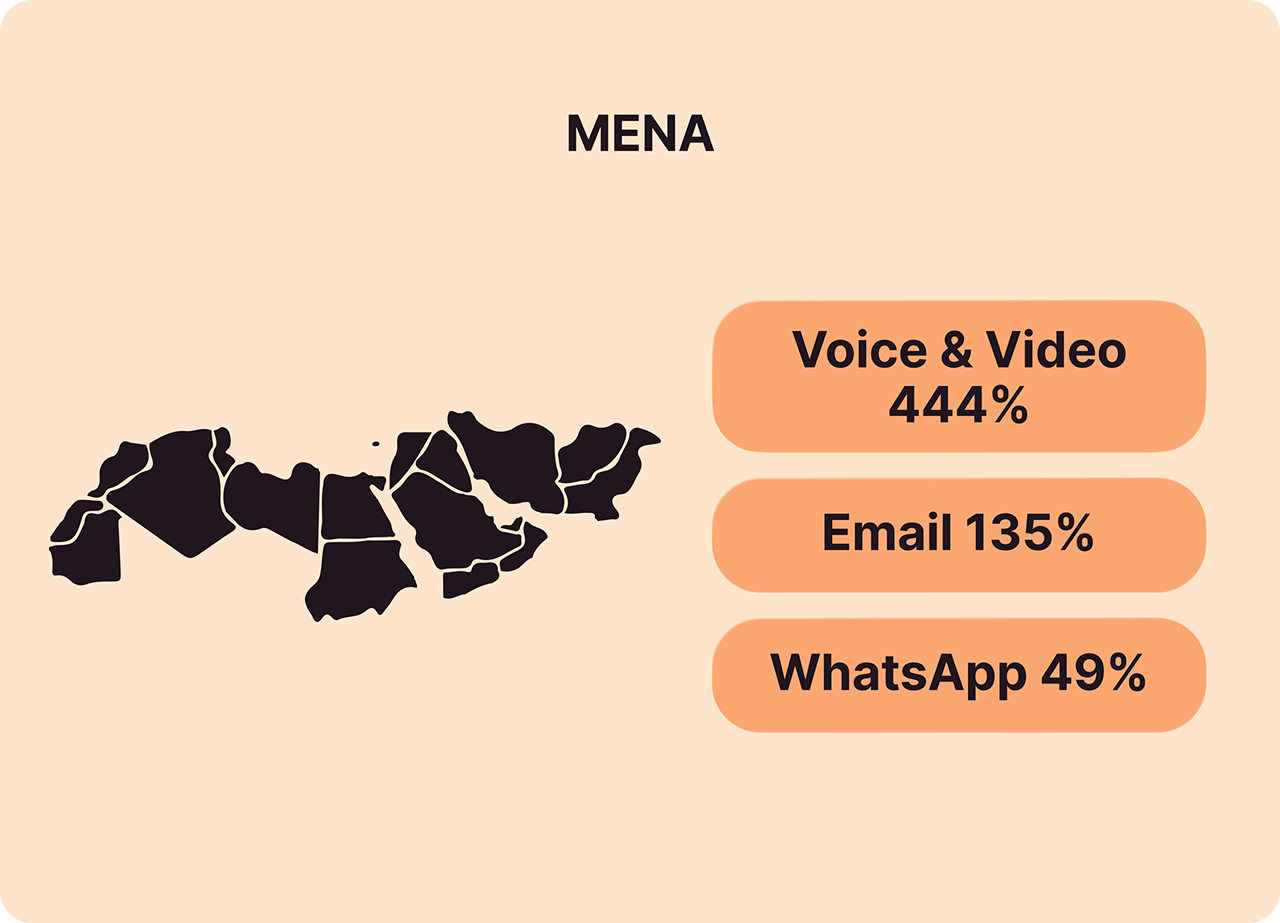
MENA: Voice-led growth and expanding digital reach
Voice and Video led Cyber Week growth across the region, driven by consumer preference for real-time, direct interactions during purchase decisions. Email recorded strong year-over-year gains alongside Voice and Video, as retailers invested in digital channels beyond traditional outreach. WhatsApp held steady, consistent with its established role as a core engagement channel across MENA.
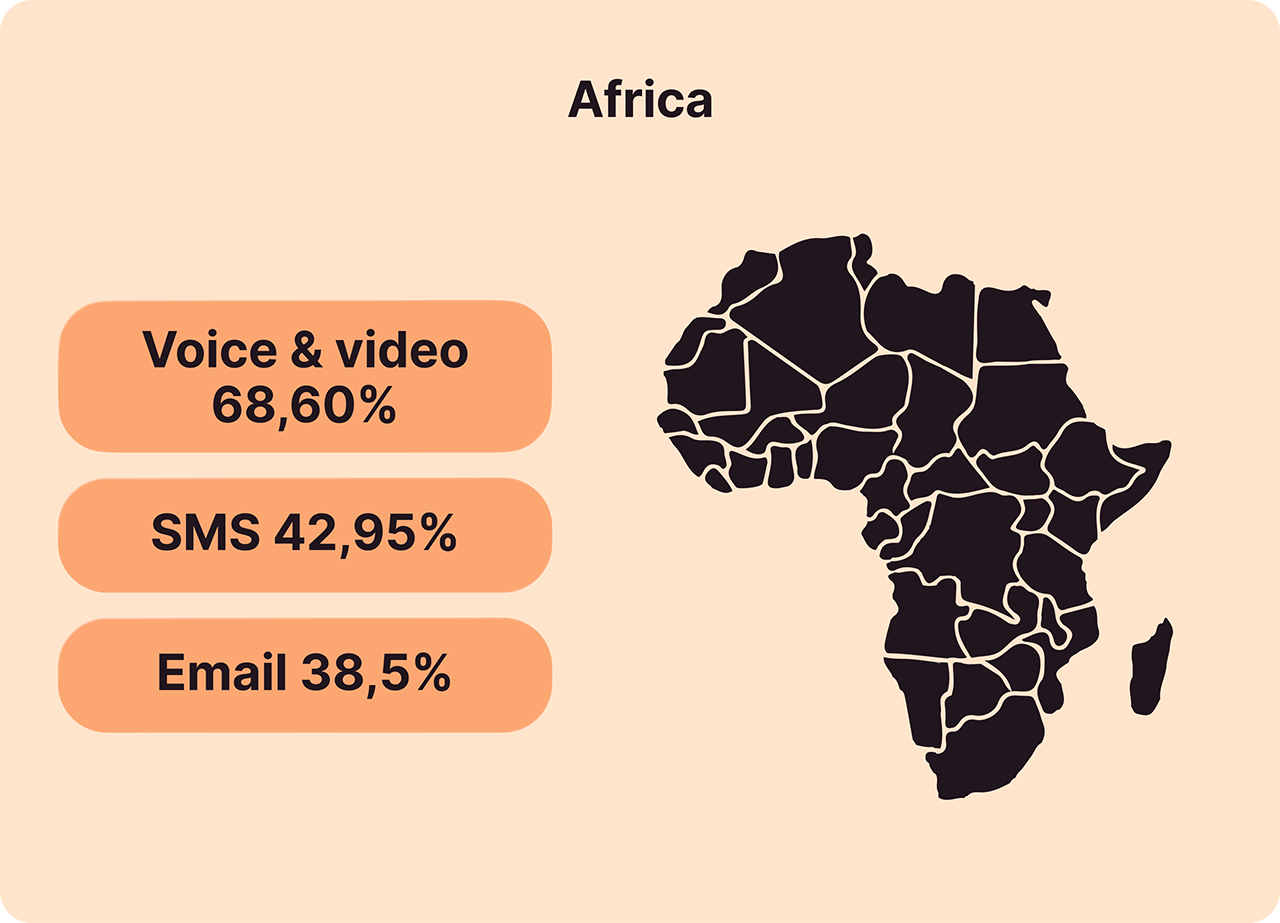
Africa: Mobile-first foundations sustain strong growth
Voice and Video alongside SMS remained the primary drivers of Cyber Week engagement across Africa, recording strong year-over-year growth as brands leaned on mobile-first channels to reach consumers at scale. Email gained ground alongside them, a sign that retailers are broadening their channel mix as connectivity and adoption grow across the continent.
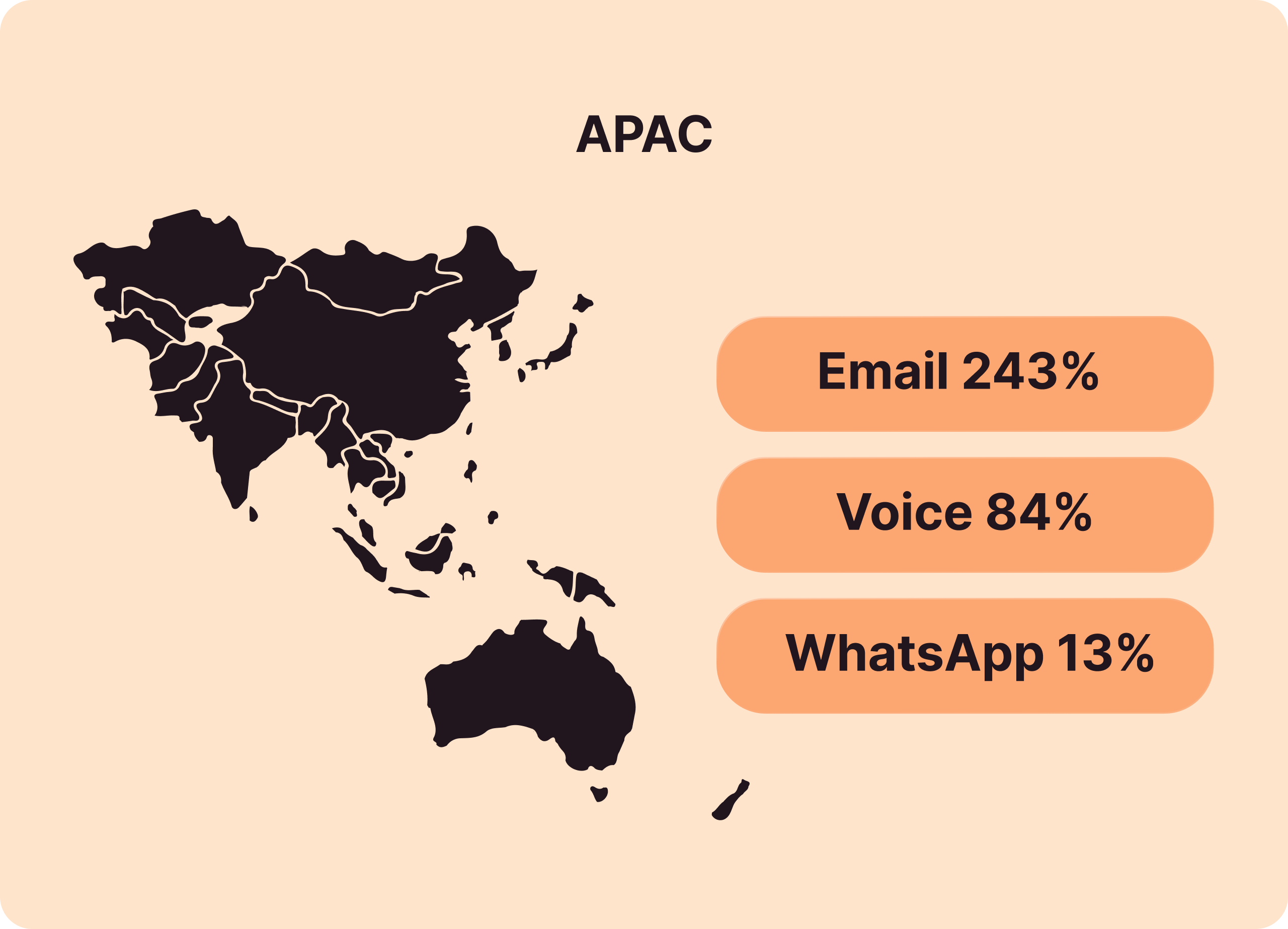
APAC: Strong gains in Email and Voice
APAC consumers leaned heavily on channels that support fast updates and high message volumes, with Email and Voice seeing the strongest year-over-year growth. WhatsApp continued to play a role in markets where it’s already well established, but overall, the region showed a more diversified communication mix.
India: High-volume channels drive peak season traffic
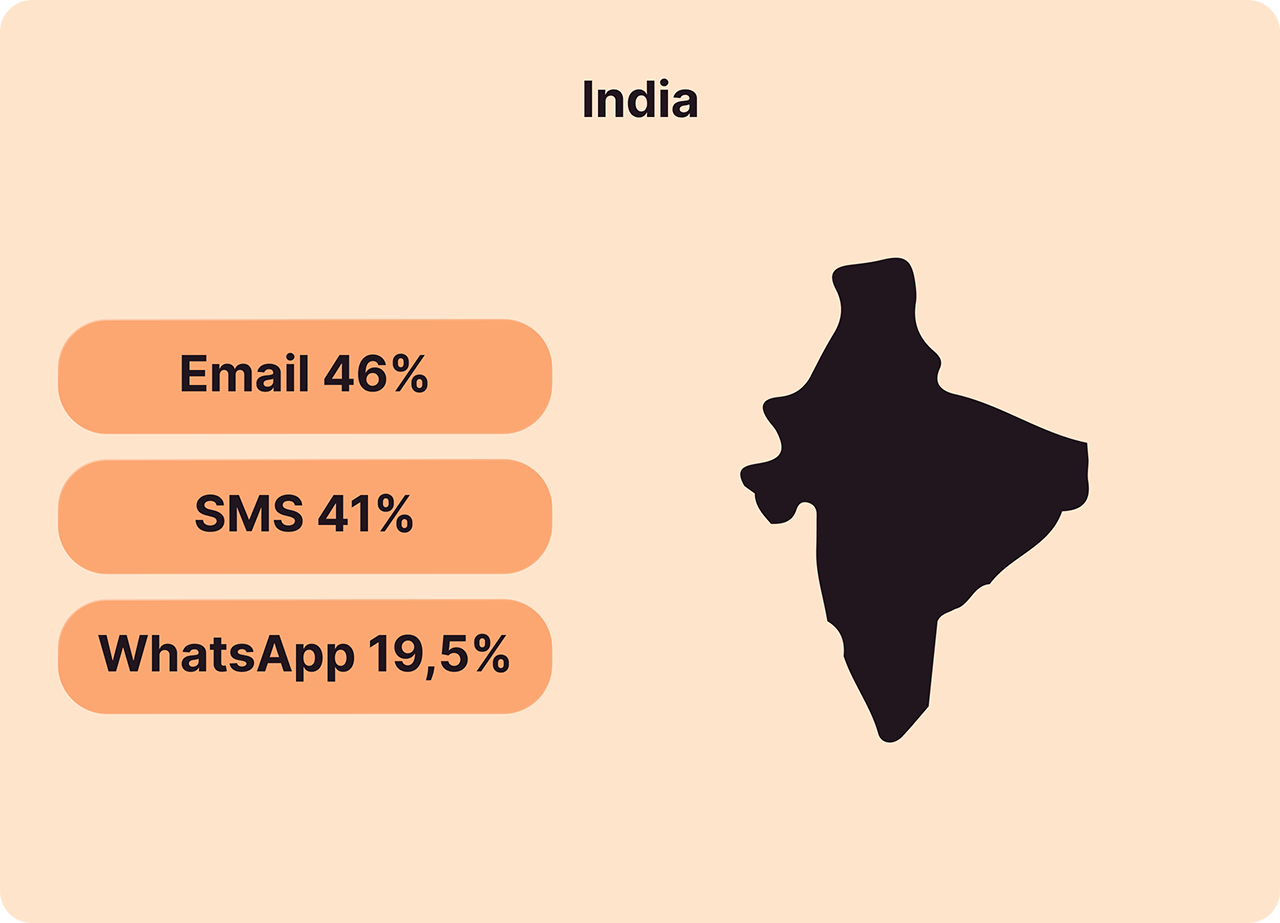
Email and SMS carried the majority of Cyber Week communication in India, recording strong year-over-year growth as retailers prioritized reach and speed during peak season. WhatsApp continued its steady climb, consistent with its deep penetration in everyday consumer communication across the market.
Top channel to watch out for: RCS
RCS continued its rapid climb this season as more brands leaned on the channel to deliver visually rich shopping experiences. After a year of experimentation in 2024, brands in 2025 showed far greater confidence and consistency in how they used RCS.
The result was standout growth across the peak shopping days:
- 277.6% growth on Black Friday
- 177.2% growth on Cyber Monday
Our data shows how rapidly RCS is becoming the way people shop and communicate. The surge in adoption proves that retailers are embracing channels that offer richer experiences, higher engagement, and better outcomes.

Silvio Kutić
CEO, Infobip
And while channels like RCS, WhatsApp, SMS, and Email each played a different role, together they shaped every moment of discovery, decision, and delivery. But, channel growth alone doesn’t explain the full story, the real impact comes from the specific interactions used to move customers forward.
Use cases that can transform mobile shopping experiences
As channels expand and customer expectations rise, what ultimately differentiates retailers is the quality of the journeys they build, not the volume of messages they send. So, when looking ahead to Cyber Week 2026, these five use cases will be essential for retailers who want to deliver reliable and high-conversion experiences during peak season.
1. Order confirmations and delivery updates are the backbone of CX
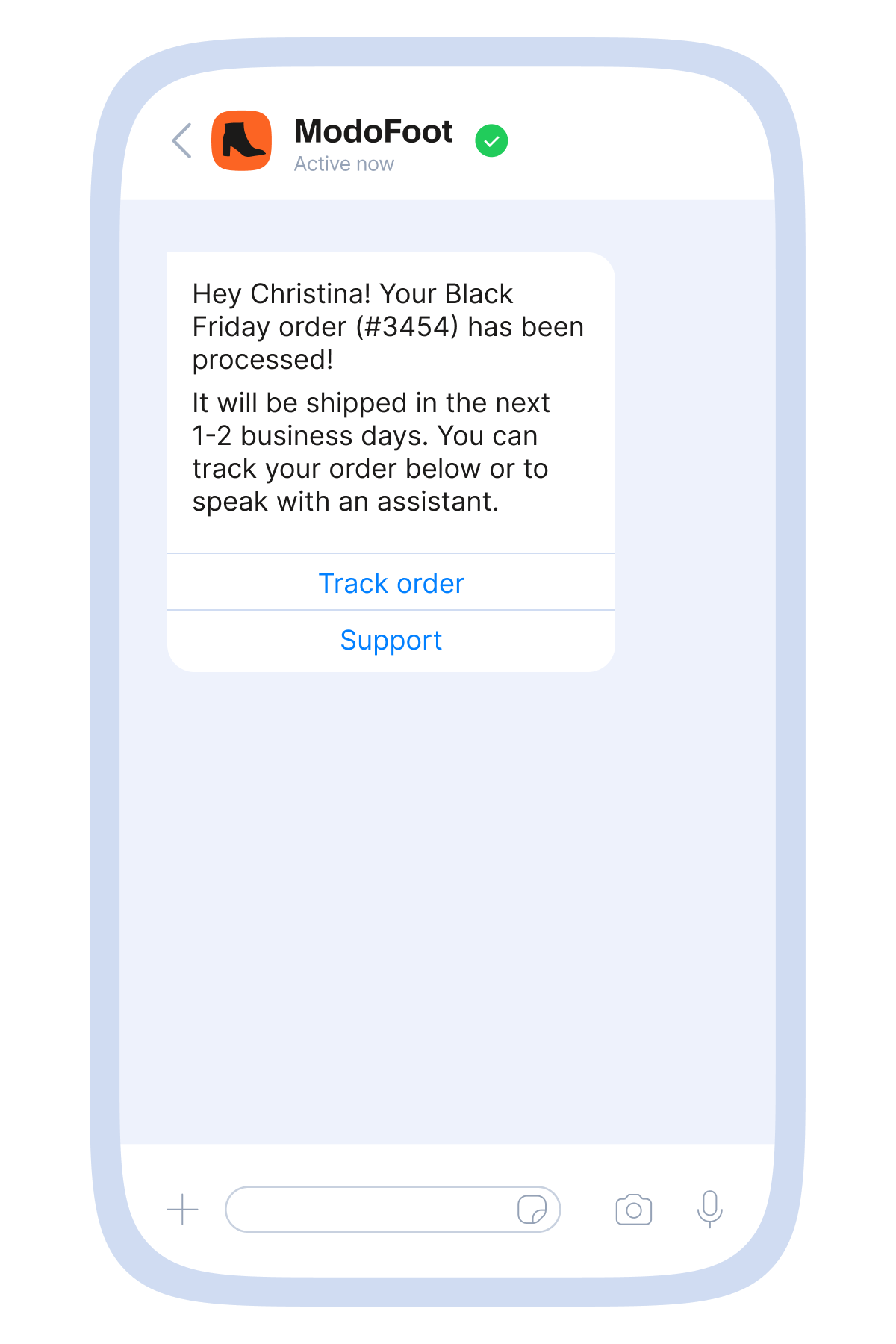
Order confirmations, shipping updates, and delivery notifications remain the most important part of the holiday experience. Consumers expect these updates in real time, and they rely on them to feel confident about their purchases.
90% of customers expect instant order and shipping confirmations, and brands that automate these touchpoints see higher satisfaction and fewer escalations.
Why?
- Immediate confirmations reduce support inquiries and checkout anxiety.
- Automated delivery alerts help shoppers manage high-volume shipments.
2. Personalized promotions drive early engagement and conversions
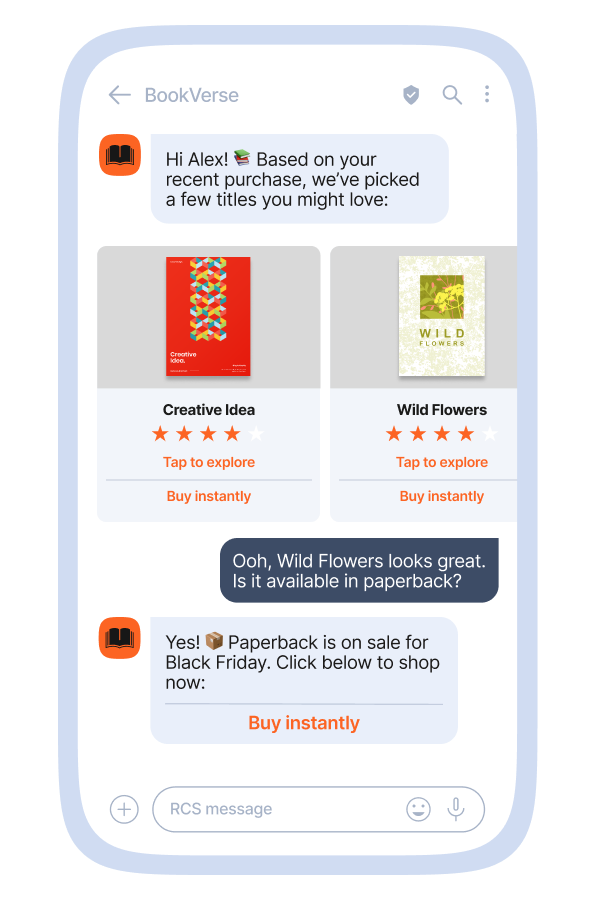
Shoppers no longer wait for Black Friday to start comparing prices or building carts. Nearly half of shoppers (47%) expect promotions by late October, and another 31% look for them in early November. This longer consideration window gives brands more opportunities to engage and the ones that delivered timely, personalized offers through messaging were the first to capture shopper interest and influence early purchase decisions.
- Personalized offers based on past purchases or browsing behavior perform significantly better than generic blasts. 76% of shoppers say personalization is valuable as long as it’s relevant.
- Rich channels (WhatsApp, RCS, Apple Messages) help retailers showcase product cards, bundles, and recommendations in a visual, scroll-friendly format.
- Higher ROI for campaigns launched in October and early November.
3. Real-time customer support scaled through conversational automation
Support volumes always spike during Cyber Week, and 2026 will be no different.
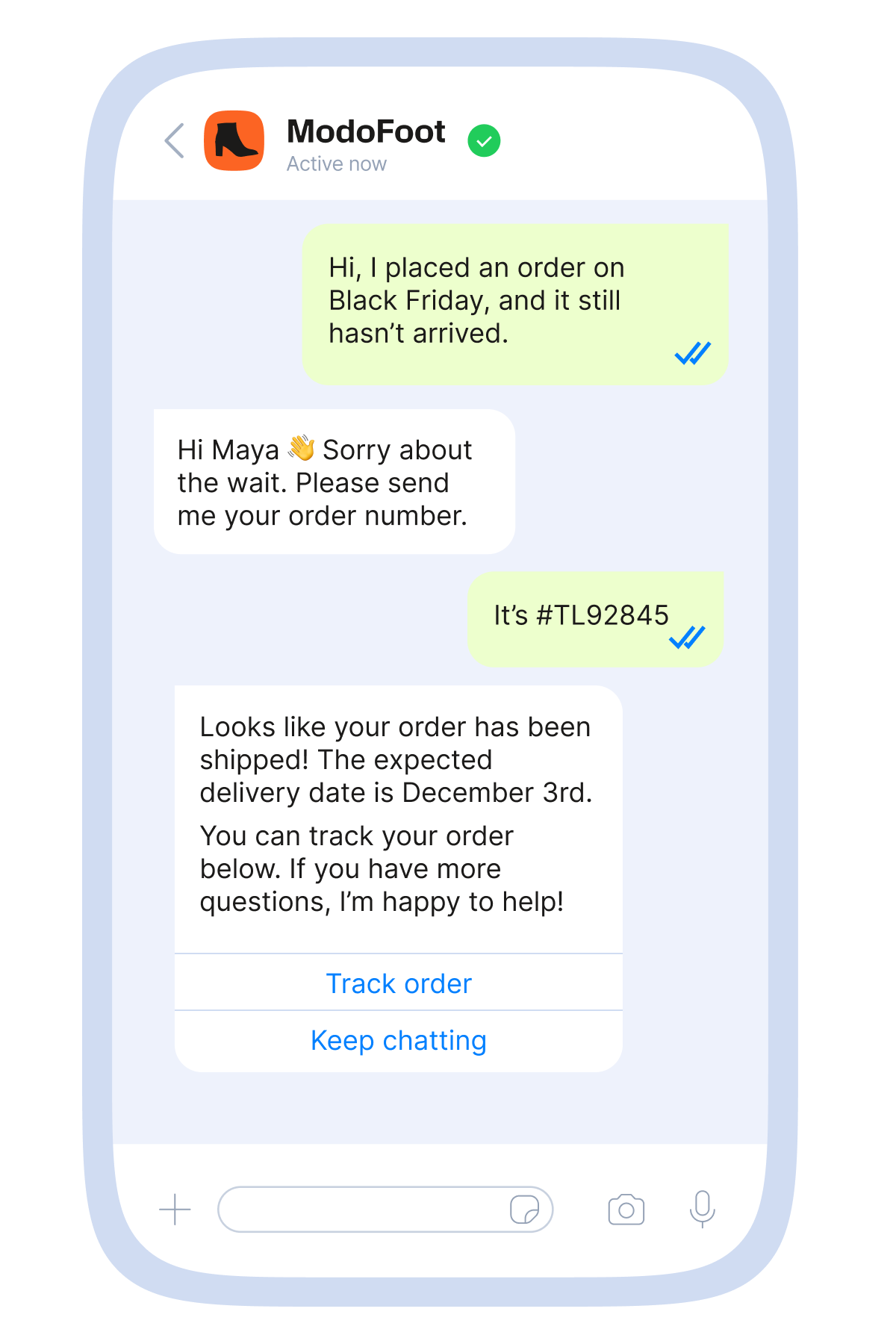
Customers will continue to seek help with stock availability, payment issues, order tracking, and returns. AI-powered support can absorb much of this load by resolving routine inquiries instantly, guiding shoppers through common tasks, and ensuring only the most complex cases reach human agents.
- 66% of customers trust AI for simple tasks like order tracking
- Retailers using conversational AI cut response times dramatically
- Smooth bot-to-agent handoffs are essential, especially during peak hours
4. Loyalty programs, re-engagement, & retention-focused journeys
With acquisition costs continuing to rise, customer retention will play an even larger role in Cyber Week 2026.
Loyalty programs, early-access offers, and personalized re-engagement journeys will help brands stay top-of-mind long before the sale begins.
Retailers that decide to use unified customer profiles and journey orchestration will deliver more consistent loyalty experiences, which translates to higher retention throughout the holiday period.
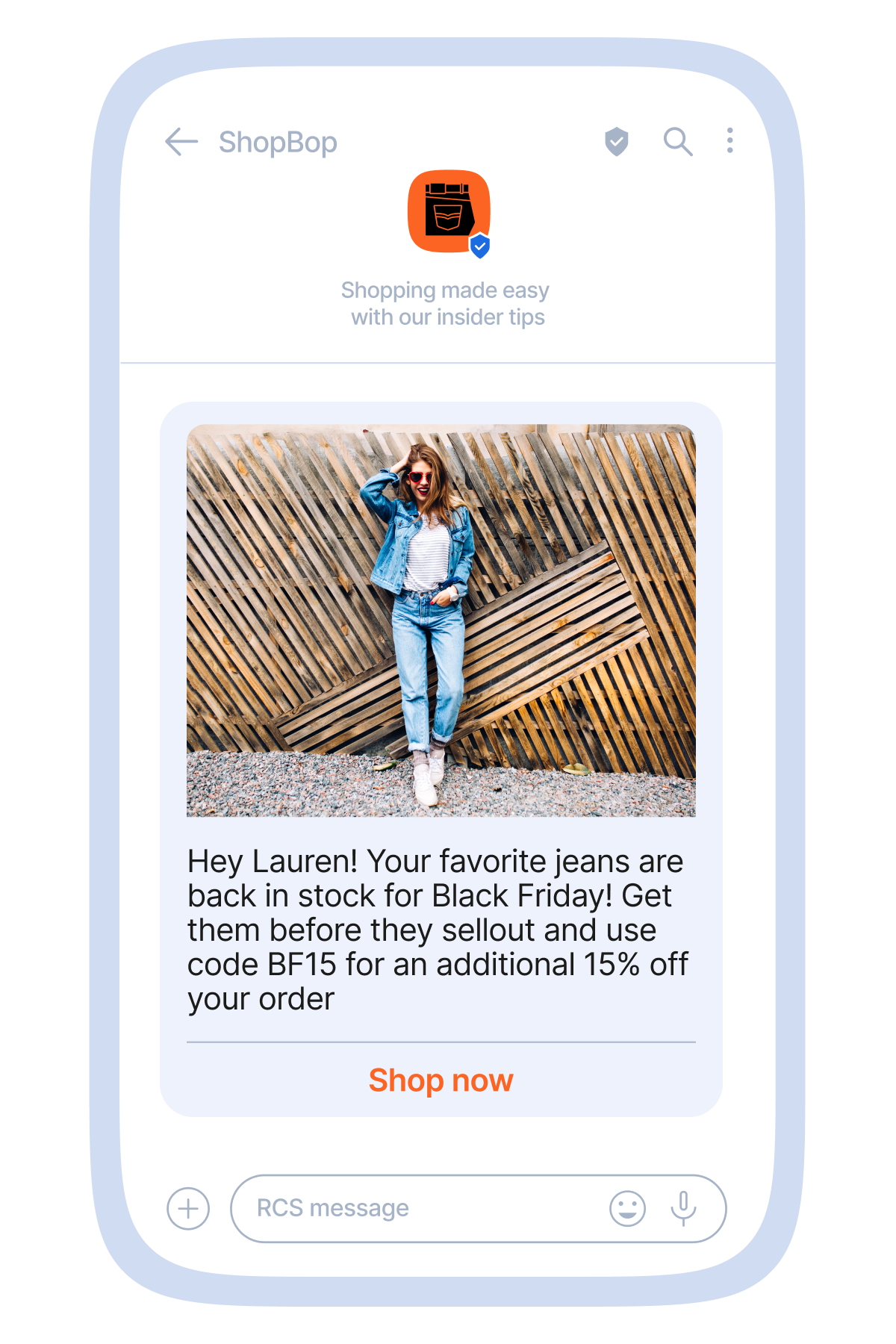
5. In-app and in-message product discovery accelerate the path to purchase
Product discovery is increasingly becoming a messaging-first experience. Rich formats, AI recommendations, and guided flows let shoppers evaluate options instantly.
As these micro-journeys grow more common in 2026, and as shoppers grow even more accustomed to them, they’ll play a key role in reducing friction and easing pressure on websites during peak demand.
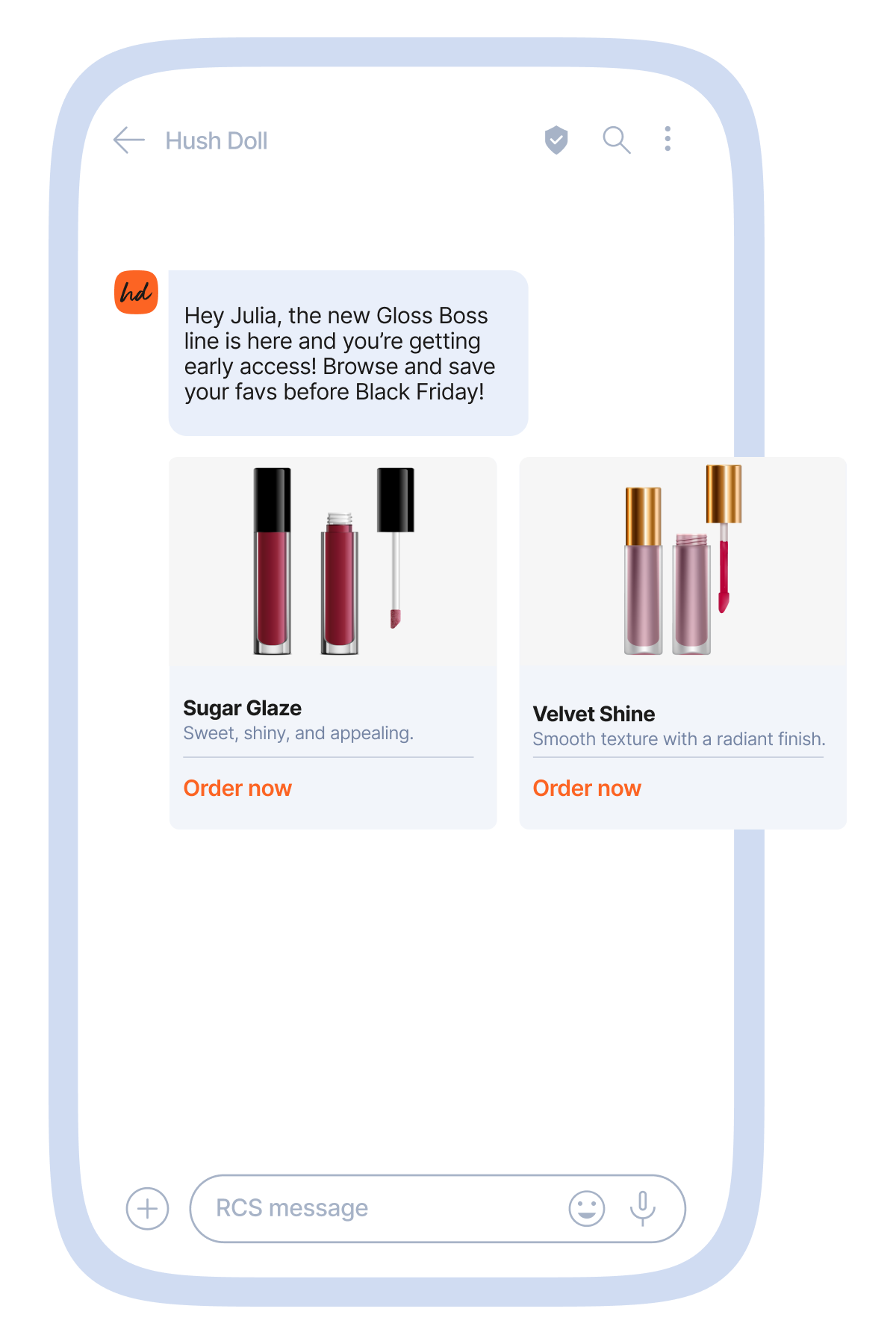
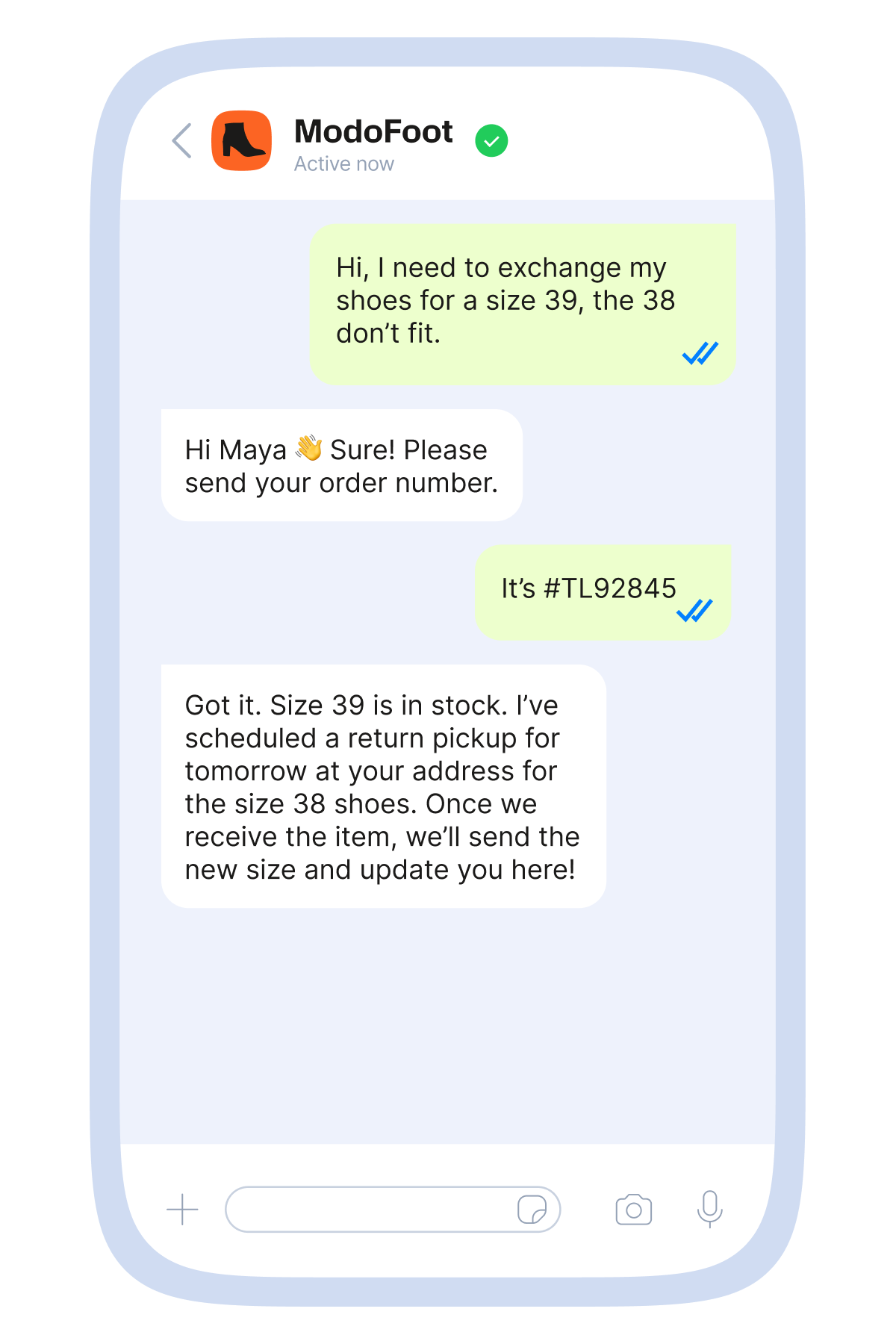
6. Streamlined returns and post-purchase care
In 2026, the real test of customer experience will come after the purchase.
Shoppers want returns and exchanges to be effortless, with simple initiation, automated checks, QR-code drop-off guidance, and timely updates on refunds or replacement items.
Messaging channels enable retailers to handle these moments with clarity and speed, turning what was once a pain point into a loyalty-building opportunity.
Holiday shopping messaging trends: Key takeaways
Cyber Week 2025 proved that shoppers reward brands that communicate well, clearly, quickly, and in the channels they already use.
Peak season will always bring pressure, but with the right channels, automation, and orchestration in place, it also brings opportunity. Now is the moment to build the foundations that will carry your brand through the next holiday cycle, and every one after that.
This year, we handled record breaking traffic with zero disruption, powered by our globally distributed cloud and real time intelligent routing. Our job is to make sure brands never have to think about latency or outages, no matter how extreme the demand becomes.
Izabel Jelenić
CTO, Infobip
Is your brand ready for a messaging surge?
Find out how mature your communication stack is with our simple assessment. And read our trends report to discover more messaging insights.