






BSP Circular 1213 readiness: The fraud communication guide for Philippine banks
This guide covers the communication, verification, and response layer that sits on top of existing fraud infrastructure and makes it work for the customer.

What the guide covers
Issued in June 2025 under AFASA, Circular 1213 applies to all BSFIs with aggregate monthly transaction values of ₱75 million or above. Most banks already have detection covered. Where the regulation goes further is notification, verification, and automated response. Those are the capabilities customers interact with when fraud is caught.
This guide shows you how to build that layer.
What’s inside the guide
- BSP Circular 1213, decoded: The five AFASA capability areas, and why detection infrastructure alone won’t satisfy them.
- Silent network verification: How operator-level APIs confirm a customer’s registered SIM is in the device making the request. Under 5 seconds, no code sent, nothing to intercept.
- Fraud notifications that reach customers: Routing alerts across Viber, WhatsApp, RCS, and SMS with automatic failover, so every transaction alert gets through.
- Automated fraud response: Interactive alerts that let customers confirm or block a transaction in a message thread. Cards frozen in under 30 seconds, fully compliant with Circular 1213.
- Escalation by design: Building the path from automated response to live agent, with full conversation context transferred automatically.
Learn how to build a fraud communication framework that meets BSP Circular 1213 and works for your customers.
43%
of Filipinos have been targeted by digital fraud
75%
of customers say they’d switch institutions if fraud were
managed badly
Keep reading:

Personalized customer experience tools for eCommerce: How to choose.
Compare personalized customer experience tools for eCommerce, from search and recommendation engines to full engagement platforms, and learn what not to miss.
What is conversational billing for RCS? Explained for US businesses.
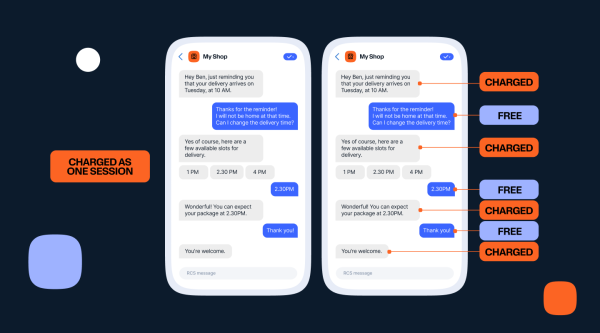
Conversational billing is coming to the US. Here's what it means, how RCS Interactive Sessions work, and why the shift from per-message to per-conversation pricing changes everything for CX.

What an AI customer experience feedback platform should do (and where most stop short).
AI customer experience feedback platform buyers need to know what happens after a customer speaks up. This guide shows how to capture feedback, analyze conversations, trigger follow-up, and carry feedback into customer context, then compare architecture options and assess AI agent interactions for enterprise CX teams.

AI customer experience examples: Use AI to improve CX.
How enterprises use AI to improve customer experience, increase conversion, and reduce costs across messaging channels, plus practical examples and ways to measure business impact.

Customer experience in financial services: Building trust through every interaction .
Customer experience in financial services is shaped by everyday interactions, from OTPs and fraud alerts to claims updates. Explore ways to reduce friction, choose the right channels, and balance AI with human support.

AI in telecom: Use cases, benefits & trends .
AI in telecom helps operators improve network performance, automate customer service, prevent fraud, and build more relevant subscriber journeys. Use this guide to prioritize the opportunities that fit your goals.

AI chatbots for eCommerce: Use cases, benefits, and how to get started.
Seven out of ten online shoppers abandon their cart before checkout. A product question goes unanswered at 11pm. A loyal customer waits three days for a return confirmation that a bot could have sent in seconds. These are the gaps that eCommerce AI chatbots are built to close.

Travel customer experience: How to deliver connected journeys across every channel and every border.
Travel customer experience is defined when journeys break down. See what a customer experience platform for travel needs to keep every trip connected.

Customer experience platform vs CRM: The differences that decide your architecture.
A customer experience platform vs CRM comparison gets clearer when you separate records, profiles, and execution. This guide explains what each layer does, where CDPs fit, and how AI agents change the stack, so enterprise teams can choose the right architecture first.

The importance of customer service: Returns, costs, risks .
Strong customer service keeps revenue, controls costs, and creates valuable customer insight. Find out how enterprise teams can deliver it consistently across every interaction.
Get the latest insights and tips to elevate your business
By subscribing, you consent to receive email marketing communications from INFOBIP. You have the right to withdraw your consent at any time using the unsubscribe link provided in all INFOBIP’s email communications. For more information please read our Privacy Notice