





Blog
Explore a wide range of topics, get inspired by the latest trends, and learn how to create conversational experiences that make an impact on your bottom line.
Messaging Trends 2025
Discover the current trends in business communication based on
530 billion mobile channel interactions that took place on our platform in 2024.


Posted onMarch 30, 2026.
How to design and build a WhatsApp chatbot – with examples.
Learn how to build a WhatsApp chatbot step by step, from API setup to AI agents. Includes real business examples, pricing, and platform tips.
Tags:- Best Practices.
- Customer Service.
- WhatsApp Business.

Posted onMarch 27, 2026.
What is Conversational AI? Definition, How It Works, and 2026 Trends.
Get a clear conversational AI definition, learn how it works with NLP and machine learning, see real examples, and discover how conversational AI agents are reshaping CX in 2026.
Tags:- Blog.
- Best Practices.
- Conversational experience.
Posted onMarch 25, 2026.
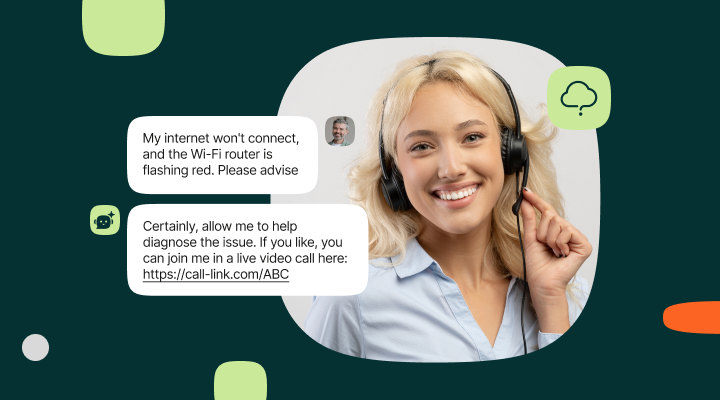
On-premise vs cloud contact center: Key differences and how to switch .
Compare on-premise and cloud contact centers side by side. Learn key differences in cost, scalability, AI capabilities, and security — plus a step-by-step migration guide.
Tags:- Blog.
- Best Practices.
Posted onMarch 24, 2026.
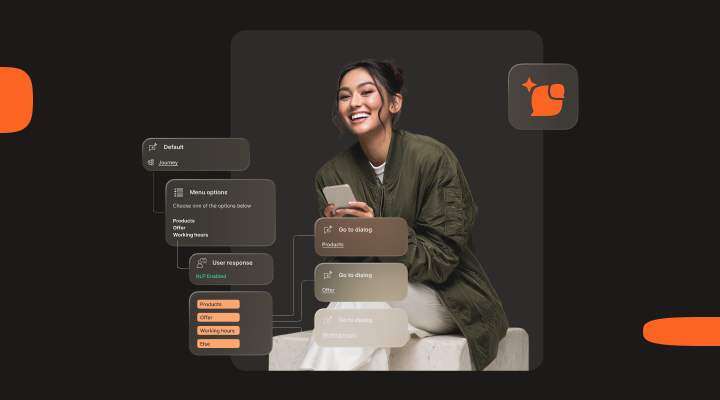
Best chatbot builders in 2026.
A complete guide on different types of chatbot builders available in 2026, including their features and use cases. Discover which chatbot builder is ideal for your business goals, and how you can use them.
Tags:- AI chatbots.
- customer service.
- CX.
- Trends and Insights.

Posted onMarch 20, 2026.
Political SMS compliance isn’t a constraint anymore, it’s your competitive edge.
Campaign Verify tokens are now mandatory across every sender type. Here is what that means for your 2026 election messaging strategy, and why the window to act is closing.
Tags:- Blog.
- Awareness.
Posted onMarch 19, 2026.
Conversational AI integration: B2B implementation guide (2026) .
This guide shows B2B teams how to integrate agentic conversational AI into their customer service stack, connect core systems, stay compliant, and prove ROI.
Tags:- Blog.
- AI chatbots.
- Awareness.
Posted onMarch 17, 2026.
WhatsApp news and updates (2026).
Every major WhatsApp feature launch from Q3 2025 through Q1 2026, explained clearly for businesses ready to put them to use.
Tags:- Blog.
- Trends and Insights.
- Conversational experience.
- WhatsApp Business.

Posted onMarch 16, 2026.
What is a confirmation email? Examples and templates.
The email everyone waits for after clicking “buy.” Here’s what confirmation emails are, why they matter, and how to write ones that keep customers confident and coming back.
Tags:- Best Practices.
- Email.
Posted onMarch 16, 2026.
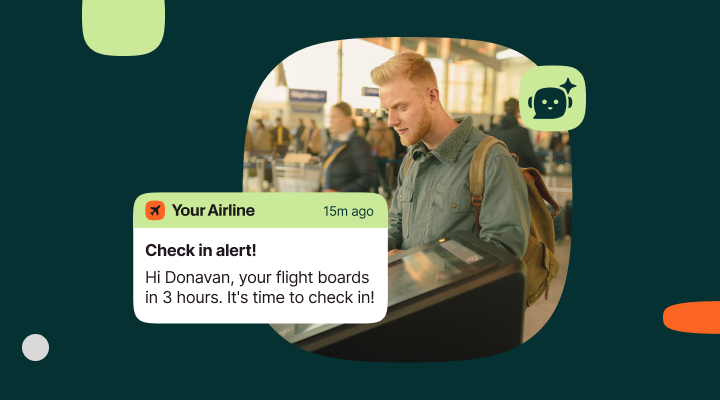
How to improve your airline customer experience.
Airlines now need to match the seamless, instant service passengers expect from top digital brands, using omnichannel messaging and AI to send timely updates, handle disruptions, and answer everyday questions across the journey.
Tags:- Blog.
- Best Practices.
- Transportation & Logistics.
- Customer Service.
Posted onMarch 13, 2026.
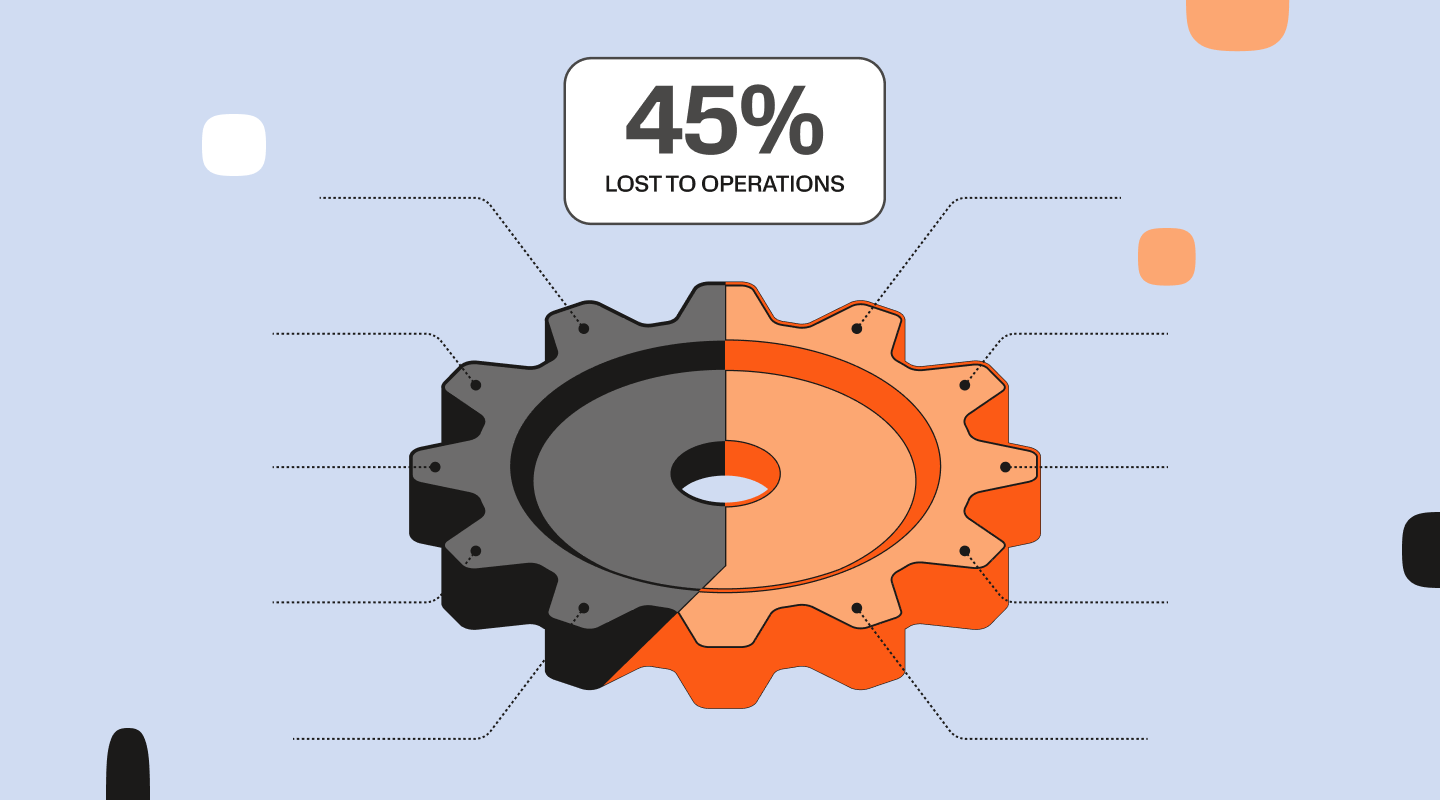
Why platforms outgrow their CPaaS partner.
You closed the deal on Monday. By Thursday, your customer is asking when they can start sending messages. Your partner says pricing will take two weeks. That is when platforms start looking for partners who can move at their pace.
Tags:- Blog.
- Awareness.
- Best Practices.
![Mobile phone mockup displaying an email message titled ‘A quick note from [Company Name]’ sent from ‘Atypical.’ The email welcomes the recipient, explains account management on behalf of a creditor, outlines how often messages will be sent, reassures about safe communication, and includes contact and preference update details. The phone is centered on a dark background with abstract pink, orange, and white shapes.](https://cdn-web.infobip.com/uploads/2026/03/blog-email-collections-header-image.png)
Posted onMarch 11, 2026.
Collections email templates: 8 examples for every stage of the process.
From pre-due reminders to final demands, collections email templates that keep communication professional and payments moving.
Tags:- Best Practices.
- Email.

Posted onMarch 10, 2026.
How to choose the right Customer Data Platform (CDP) in 2026.
Discover the best customer data platforms (CDPs) in 2026. Compare leading CDP vendors and explore the key elements of unified, real-time customer engagement.
Tags:- Trends and Insights.
Posted on{{date_formatted}}.
{{title}}.
{{excerpt}}
Tags:- {{term.name}}.