


Yamaha Indonesia: Turning digital curiosity into high-intent leads
How Yamaha Indonesia uses WhatsApp to find buyers before they reach the showroom

By the time a customer walks into a Yamaha dealership in Indonesia, the sale is already half-decided. They’ve scrolled the website at midnight, cross-referenced specs in three browser tabs, and watched a stranger on YouTube rev the engine they’re daydreaming about. Whatever happens on the showroom floor is just the final scene, the part where the decision gets made official.
For brands, that means the real competition for a customer’s attention is happening long before anyone walks through the door. We spoke with Adita, Digital Customer Experience Manager at PT Yamaha Indonesia Motor Manufacturing, to learn how the company is managing to meet the expectations of new-age digital-savvy customers.
Building relevance throughout the customer journey
For Yamaha, consumer behavior has changed, but what’s shifted more is expectation. Customers want brands to keep pace with them, not the other way around. According to Adita, today’s customer journey comes down to two key realities:
Customers now do their homework long before they visit a dealership. That means the information they find online (pricing, specs, reviews) needs to match what they experience once they’re actually at the dealership. If the two don’t line up, trust breaks down fast.
Customers expect interactions to feel natural and personalized rather than scripted or transactional. Brands must continually adapt their content and engagement strategies to reflect how people communicate and seek information.
These shifts have reshaped Yamaha’s approach to customer engagement. The company has moved away from simply sharing information to creating responsive, two-way conversations across its digital channels.
“Our social media must really adjust to our audience, followers, and consumers. If they ask something, we must answer. If they have concerns, we must respond to them,” says Adita.
Conversational messaging is definitely very important as nowadays, people want quick responses and real answers.
Adita
Digital Customer Experience Manager at PT Yamaha Indonesia Motor Manufacturing
Meeting customers on the channels they already trust
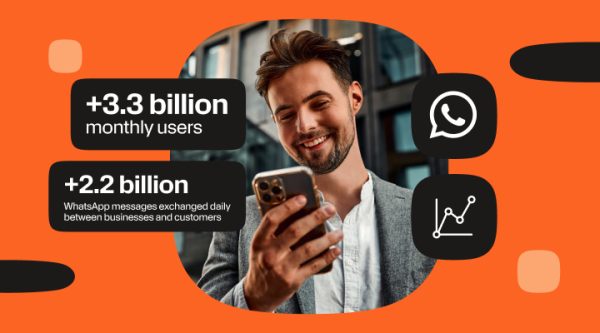
Delivering a conversational experience means showing up where customers already are, on messaging apps, social platforms, and whatever channel they reach first. In Indonesia, that channel is overwhelmingly WhatsApp. With more than 112 million active users, it lets brands stay present across the entire buying journey, from a customer’s first question to after-sales support. For Yamaha Indonesia, WhatsApp has become a core part of its customer engagement strategy. Rather than treating it as just another messaging app, the company uses it to extend conversations that begin on public channels into more personalized, one-to-one interactions.
“One example is our current Yamaha Indonesia social media. We maximize that engagement, so users can comment on our post or DM us, and then the next conversation will be directed to WhatsApp. This way we can provide a more personalized experience,” says Adita.
Once a customer chooses to continue the conversation, the brand can engage with them more directly and support them throughout their purchase journey. “Through WhatsApp, we can know their phone number and do many more conversational activities there,” Adita explains.
This approach to bettering the customer experience helped the brand turn existing interest on social media into personalized, one-to-one conversations, nurturing prospects closer to a purchase.
We’ve also run activations, and over 75% of our consumers use WhatsApp and are connected with us there. That means, as a brand, we need to make the most of this channel, and we’re continuously improving the experience it provides for our consumers.
Adita
Digital Customer Experience Manager at PT Yamaha Indonesia Motor Manufacturing
Turning event traffic into high-intent leads
Conversational messaging isn’t just an online habit anymore. It’s started showing up in the real world too, at booths, events, anywhere brands can catch a customer already leaning in. At the PRJ event in Jakarta, Yamaha and Infobip built an entire campaign around that idea: a high intent leads activation designed to find the visitors who weren’t just there to look.
Visitors scanned a QR code, completed a short profiling survey, and participated in a gamified experience.
“This way, they become more interested, not only giving us their data, but also getting to play and receive attractive prizes from us. It helps us understand the intent of the audience or visitors coming to PRJ, and that becomes input for our marketing activities,” says Adita.
Adita explained that the engagement did not end at the event. Yamaha followed up with visitors two or three days later through remarketing activities to identify high-intent leads.
“They can choose which motorcycle they want and enter their details there, so we can use that data to maximize sales conversion,” says Adita.
A collaboration that goes beyond technology
As customer expectations continue to shift, Yamaha needed more than a technology provider. The company wanted a partner who understood the automotive industry inside and out, someone who could bring global benchmarks and practical ideas to the table, not just implementation support.
After more than two years of collaboration, our relationship has evolved from supporting individual campaigns to helping Yamaha create more engaging, personalized conversations that drive meaningful business outcomes. From the high intent leads activation to broader conversational marketing initiatives, we have worked alongside Yamaha to help turn customer conversations into qualified prospects and sales.
Reflecting on the collaboration, Adita emphasized the role our partnership plays in helping Yamaha achieve its business goals.
“The role of Infobip is very important. As we are an automotive company, our goal here is not only to sell, but also to find as many prospects and audiences as possible. But equally important is how conversations can generate sales conversions. That is the role of Infobip.”
He added that our collaboration has helped Yamaha continuously refine its customer engagement strategy.
“It is important for us to keep collaborating with professionals like Infobip. They have given us many insights on how to become more engaging and more personalized. It is not only about creating awareness, but also ensuring conversion delivers results.”
Looking ahead, Yamaha plans to build on this collaboration by expanding its use of automation and chatbots while continuing to leverage our global automotive expertise to improve customer engagement.
Infobip continues to provide insights, experiences, and benchmarking in the automotive industry, even from outside Indonesia globally, so that we can apply those trends at Yamaha Indonesia.
Adita
Digital Customer Experience Manager at PT Yamaha Indonesia Motor Manufacturing