

WoomAI: How conversational AI is turning one-day events into year-round communities
The B2B event industry has a communication problem. It sends emails delegates do not open, builds apps they do not download, and hangs signage they walk past. Then the event ends, and the conversation stops entirely.

Tom Gavazzi has spent two decades inside this industry, personally running more than a thousand events ranging from ten-person roundtables to three-thousand-person conferences. He knows the problem from every angle. As Owner and CEO of WoomAI, a conversational AI agency built specifically for events, he is now fixing it through the one channel attendees actually open: their messaging channel.
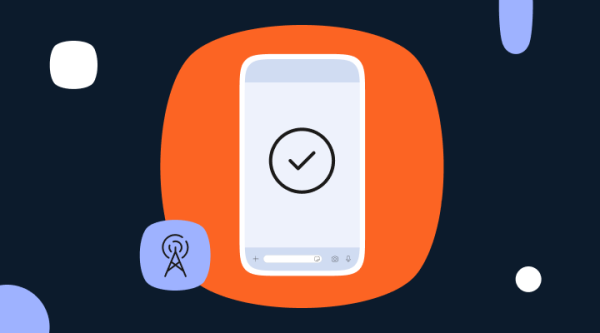
WoomAI builds AI-powered event assistants on WhatsApp, RCS, Viber, and other platforms. No app required. No login to create. The event shows up alongside conversations attendees are already having with their colleagues and families. And beyond improving the day-of experience, the technology is enabling something much bigger: turning a three-day conference into a community that lasts all year.
Events are stuck in the past
Walk into any B2B conference today and the communication playbook looks the same as it did fifteen years ago. Emails go out. An app gets built and promoted. Signage goes up. By the time the keynote starts, most organizers have already lost their audience.
Email fails for a simple reason: attendees at a live event are filtering their inbox for what matters from work. A session update does not make the cut. Apps fail for an equally simple reason: people resist installing new software for a one-day event. Even when they do, the app ends up buried in a back screen with notifications off.
The irony is that every attendee is already reachable. Smartphones are in every pocket and messaging apps are open throughout the day. The problem has never been access. It is the channel.
Meet attendees where they actually are
WoomAI’s answer starts with a simple principle: go where the audience already is. For European, South American, and Middle Eastern markets, that means WhatsApp. In the US, iMessage. With RCS gaining ground across both, the options are growing. The underlying logic is the same everywhere: attendees already have the app, already check it throughout the day, and do not need to do anything new to start using the event assistant.
This matters more than it might sound. One persistent assumption in event tech is that attendees will adopt whatever tool organizers choose if the tool is good enough. Gavazzi’s experience suggests otherwise. People resist new software for short-duration events, and they resist it even more when they are on-site and genuinely busy. Remove the download step and adoption follows naturally.
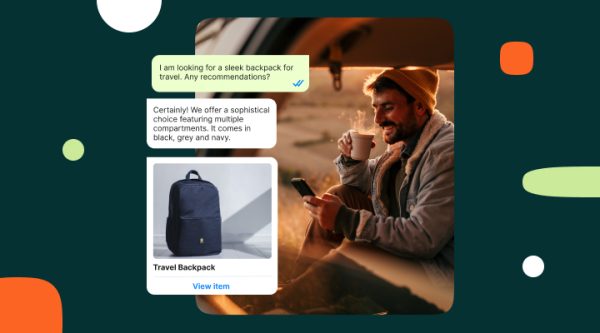
From the moment a delegate receives their first message, they can ask the AI assistant anything: how to reach the venue, when a session starts, which sponsors operate in a particular technology space. The assistant answers from a closed knowledge base built around the event’s content rather than a general AI model.
With ChatGPT or Perplexity, hallucinations are possible. Here we have a closed database built around the event. It is much more reliable.
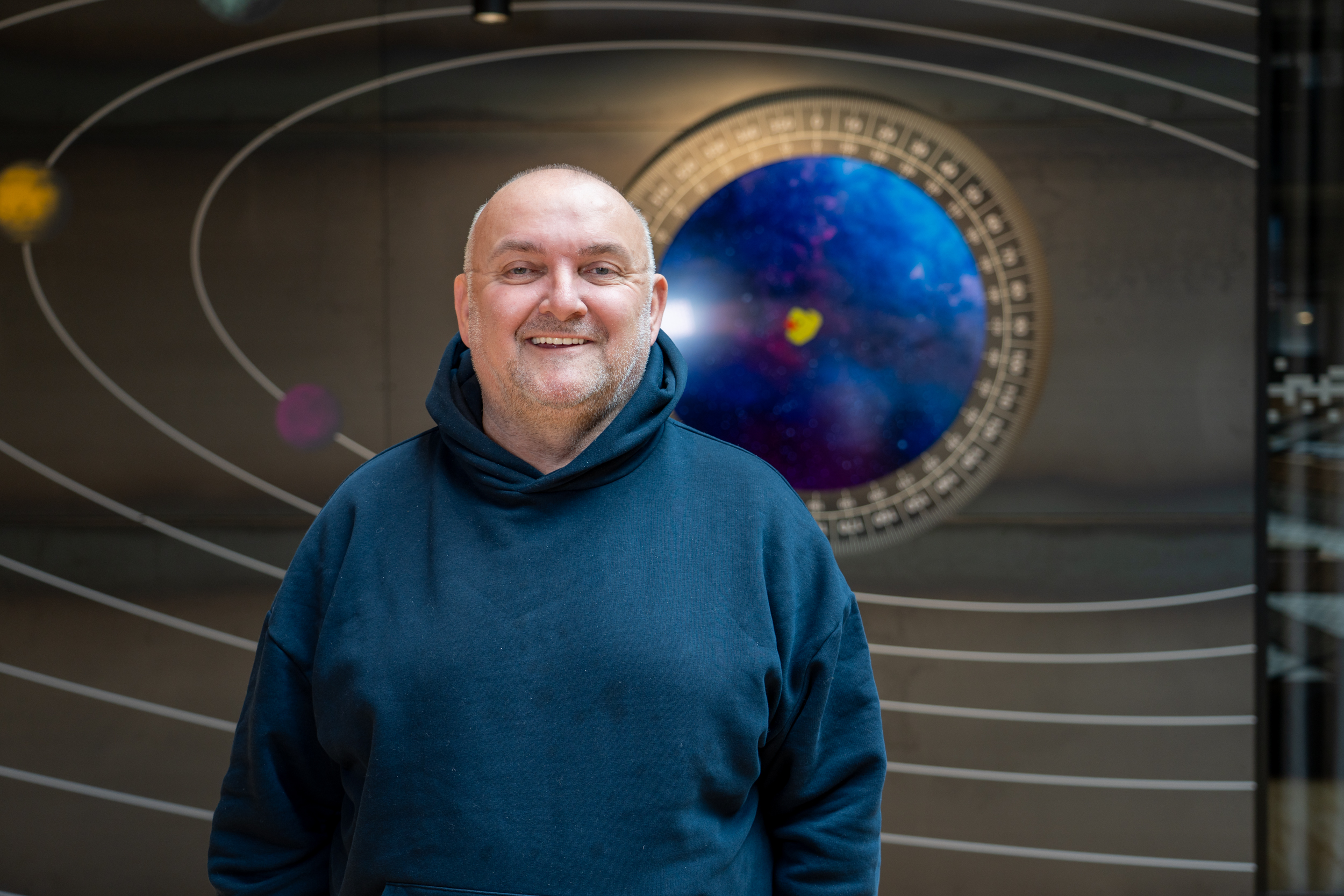
Tom Gavazzi
Owner and CEO of WoomAI
What an AI event assistant actually handles
Logistics questions dominate. How do I get to the venue? Are there transfers to the airport? What time does the afternoon session start? But the assistant handles more than directions. Attendees ask about speakers, dive into sponsor profiles, and receive contact cards and meeting request links directly in the conversation.
The trickier problem WoomAI has tackled is networking. It sits at the intersection of data privacy, psychology, and technology, and has historically been one of the messiest things to get right at any event. The approach is opt-in: during registration, delegates choose whether to make themselves discoverable. Those who say yes share their mobile number, which feeds into the assistant.
On-site, a delegate can search for attendees by country, seniority, or industry. The assistant returns names, titles, and companies. A one-to-one WhatsApp conversation can then start directly, with no app swap, no card exchange, and no awkward cold approach required.
For organizers, the assistant also enables broadcast messaging throughout the event: updates, reminders, polls, gamification prompts. Delegates are in control of when they check in, and because the channel is already part of their daily routine, a broadcast from the event does not feel out of place. The numbers back it up: WoomAI sees 95% open rates on broadcast messages, with more than 60% of recipients taking action on the linked content.
95% open rates on broadcast messages
More than 60% of recipients taking an action
From single event to year-round brand
Here is where the story gets interesting.
The technology that makes an event assistant useful for three days can do something more ambitious across the other 362. Gavazzi is working with clients to keep the conversation going long after the last session ends.
The model works in layers. Immediately after the event, attendees receive summaries, video highlights, and follow-up resources. In the months that follow, monthly premium content keeps the community engaged. Three to six months before the next edition, early-bird campaigns and sponsorship outreach begin, all through a channel the audience is already in and continues to open.
Two clients are a month into this model. Results are still early, but Gavazzi has already seen something shift in how those organizers think about their role. The event is no longer the product. The community is.
The Infobip partnership
Delivering AI assistants across messaging channels at scale requires infrastructure that most agencies cannot access on their own. WoomAI’s partnership with Infobip, using AgentOS as the underlying communications platform, has been central to making this practical.
The most immediate benefit was bypassing the complexity of direct access to the WhatsApp Business API. Negotiating that directly with Meta is slow and opaque for smaller teams. Working with Infobip removed that friction and added ongoing support: technical help configuring the AI agents, market intelligence on where messaging is heading, and a clear path forward as channels like RCS continue to mature.
Infobip is a top partner for us. We have all the messaging infrastructure support we need, and they keep us ahead of where the market is going.
Tom Gavazzi
Owner and CEO of WoomAI
Looking ahead
The event industry has been slower than most to think in terms of data and long-term audience value. Most organizers still measure success by how one event went. Few yet connect their event data to a CRM, run personalized re-engagement campaigns, or think of their attendee list as a community worth cultivating year-round.
Gavazzi sees that changing, and not gradually. The infrastructure to do it differently already exists: messaging channels people use every day, AI assistants that handle complexity without in-house technical teams, and engagement metrics that make traditional event analytics look thin.
The question he is posing to the industry is simple: are event organizers ready to stop thinking of themselves as one-off events and start building event brands with year-round communities and continuous engagement?