





Network APIs & RCS for telcos: Unlocking growth opportunities
Discover how network APIs and RCS empower telcos to drive innovation, monetize data, and enable enterprise use cases through programmable networks.

For the last decade, over-the-top (OTT) players have monetized the applications riding on the infrastructure built and operated by mobile network operators. Telcos built and paid for the network, but apps like WhatsApp and Facebook Messenger capitalized on the user experience.
This dynamic has left Mobile Network Operators (MNOs) in a difficult position. Voice and SMS, the bedrock of mobile revenue, are being bypassed by free internet-based alternatives. While app-to-person (A2P) SMS remains a profitable stronghold, even that revenue stream is under attack as businesses look for richer, more interactive ways to engage customers.
There is a way back to the center of the ecosystem. The combination of RCS for Business and Network APIs offers MNOs a unique opportunity to defend their revenue and grow it. By leveraging the inherent security of the network, telcos can offer something OTTs cannot: absolute trust combined with a rich user experience.
To understand how telcos can reclaim control of messaging, it’s important to look first at where real monetization potential still exists.
Why telcos need RCS for Business (A2P)
Historically, operators might have hoped to monetize person-to-person (P2P) RCS, but the reality of the market suggests otherwise. Mobile users have grown accustomed to free messaging apps. Trying to charge them for RCS features now would likely hinder adoption rather than drive revenue.
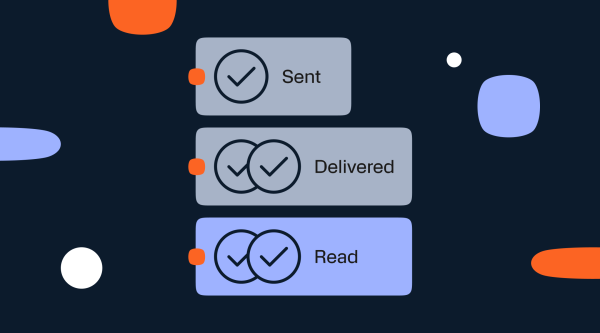
The real opportunity lies in the enterprise. RCS for Business (A2P RCS) modernizes traditional SMS. It introduces features like high-resolution images, carousels, read receipts, and interactivity directly into the native messaging app. It requires no download and offers a branded, app-like experience.
Two major factors make this the right time to pivot to RCS:
- Universal reach: Apple now supports RCS on iOS 18. This bridges the gap that previously held the technology back. Businesses can now reach virtually all smart devices (Android and iOS) through a single standard.
- Rapid growth: According to our research with Omdia, traffic and revenue for RCS for Business are projected to double every 16 months through 2029.
By the end of the decade, Omdia predicts that while SMS will still handle a portion of traffic, “advanced A2P” (RCS and OTTs) will account for 42% of global A2P revenue. MNOs must capture their share of this advanced segment now or risk ceding it entirely to third-party apps.
While RCS modernizes the customer experience, differentiation and trust depend on what sits behind the message.
What are network APIs and how do they fit in?
If RCS is the vehicle for rich communication, Network APIs are the security detail. Network APIs (driven by initiatives like CAMARA and the GSMA Open Gateway) allow developers to programmatically access network capabilities. They act as a bridge between the telco’s internal systems and enterprise applications.
For MNOs, these APIs are the key to differentiation. They turn the network from a “dumb pipe” into a programmable platform that solves critical business problems, particularly around identity, security, and fraud
Key Network APIs include:
- Number verification: Verifies a user’s identity silently in the background without SMS OTPs.
- SIM swap: Checks if a SIM card has recently been changed to prevent account takeover fraud.
- KYC (know your customer) match: Validates user information against reliable data held by the telco.
These APIs provide a layer of trust that OTT applications struggle to replicate independently. When you combine this verification power with the rich interface of RCS, you create a premium product for enterprises.
As RCS and Network APIs are combined, they move from infrastructure concepts to practical enterprise solutions.
The power couple: Network API + RCS use cases
The true potential unlocks when you combine these technologies. Here’s how they work together to solve high-value problems for enterprise clients.
Secure banking and finance
Banks face a constant battle against phishing and fraud. In an RCS + Network API scenario, a bank can send a transaction alert via a branded, verified RCS message. Before sending, the system calls the SIM Swap API to ensure the account hasn’t been compromised. The user recognizes the bank’s logo and verified sender checkmark, giving them the confidence to act.
Trusted m-commerce
Retailers want to send rich promotions but fear low conversion rates due to spam fatigue. With RCS, they can send interactive carousels of products. By using the KYC Match API, they can ensure their marketing database is accurate and targeted. The Carrier Billing API can then allow the customer to purchase goods directly on their phone bill, creating a seamless path to purchase.
Frictionless customer onboarding
When a user downloads a new app, the sign-up process is often where they drop off. Using Number Verification, the network confirms the user’s identity instantly. The user receives a “Welcome” RCS message immediately, allowing them to engage with the brand without ever leaving the native messaging environment.
Real‑world implementations already exist. Aduna, for example, shows how Network APIs can be exposed and consumed at scale by simplifying access to telco infrastructure for enterprises and developers.
These use cases are not theoretical. They map directly to clear and scalable monetization models for operators.

Monetization: How can telcos make money?
The monetization model for RCS and Network APIs goes beyond the simple “per message” fee of SMS.
- Monetize the API call: MNOs charge enterprises for every identity check, location query, or fraud signal. Omdia estimates that Network API revenue will reach $8.7 billion by 2029. While this is a small percentage of total telco revenue, it is high-margin and strategic.
- Monetize the rich session: RCS allows for session-based pricing or event-based pricing, similar to how OTTs charge for marketing conversations.
- Defend core revenue: By offering a secure, verified channel, MNOs prevent A2P traffic from bleeding to WhatsApp or Telegram. You retain the messaging revenue that would otherwise leave the ecosystem.
Network APIs also serve as conversation starters. They open the door to deeper relationships with large enterprises, leading to broader deals involving connectivity and managed services. Capturing this opportunity requires more than technology. It demands a focused go‑to‑market strategy.
Action plan: GTM recommendations for MNOs
To capitalize on this prospect, MNOs need to move fast. OTTs already have a head start in P2P dominance. Here is a strategic path forward.
Don’t build from scratch
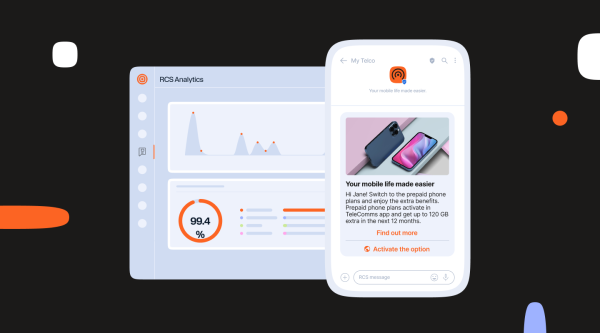
You do not need to build the entire infrastructure internally. Partner with a Messaging as a Platform (MaaP) provider. A solution like Infobip’s acts as the layer between your network and the enterprise.
We handle agent management, billing, onboarding, and interconnection (IXC). This allows your teams to focus on selling the solution rather than maintaining the stack.
For a deeper look at how MaaP supports this approach in practice, see:
Collaborate, don’t isolate
Take a lesson from the German market. Deutsche Telekom, Vodafone, and Virgin Mobile (now Virgin Media O2) collaborated to promote RCS for Business. They standardized their approach and educated the market together. This joint effort created a total addressable market that rivaled WhatsApp’s reach. Interoperability and consistent standards are vital for convincing large enterprises to invest.
Use what you sell
Implement RCS for your own customer care and marketing. Send your subscribers bill reminders or data plan upgrades via RCS. It educates your user base on the technology and provides a working case study you can show to B2B clients.
Build the ecosystem
You cannot build every app yourself. Foster a developer ecosystem that builds vertical-specific solutions (banking, retail, logistics) on top of your RCS and Network API foundations.
For a broader industry perspective on why collaboration matters, see:

Conclusion
RCS puts the telco back at the center of the messaging experience. It answers the OTT challenge with a feature-rich, native alternative. When combined with Network APIs, it becomes the most secure and trusted channel for business communication. You possess a network of data and infrastructure to guarantee identity and security.
That’s your competitive advantage. By moving quickly to deploy RCS for Business and opening your network capabilities to developers, you can unlock new revenue streams and secure your place in the future of digital communication.