




Customer experience in logistics: From shipment event to customer conversation
Improve customer experience in logistics by turning shipment events into useful updates, conversations, and resolutions with Infobip AgentOS.

Customer experience in logistics is on the line when a shipment stops moving, and no useful update arrives. A tracking page may show a delay, but it won’t tell the recipient what to do or give the shipper time to warn its customer. The real problem is the gap between an operational event and a message someone can act on.
Strategy& rated CX maturity in transport and logistics at 2.3 on a five-point scale, compared with 4.1 for telecommunications. The challenge for logistics providers is to turn shipment events into timely updates, replies, and resolutions.
A logistics provider serves two customers at once. Shippers need reliable freight movement and early warning, while recipients need an accurate delivery window and a way to change plans. This article follows both journeys, from quote to invoice, and shows where communication can prevent extra work, missed expectations and lost business.
Why logistics CX decides margin, not just satisfaction
Poor customer experience adds costs to delivery operations and the contact center and can put account retention at risk. Find out which service failures lead to repeat delivery attempts, avoidable contacts, or lost accounts.
The cost of a poor experience
Delivery problems create extra work in operations and support. In a 2024 Which? survey of 2,132 UK adults, 39% of those who had a problem with an online order in the previous year said their parcel arrived later than expected. Each avoidable “where is my order” contact also takes an agent away from other work while they find and relay shipment information.
Delivery expectations aren’t just about speed. A 2025 McKinsey survey of more than 1,000 U.S. consumers found that 90% were willing to wait two or three days for delivery, especially to avoid shipping fees. A reliable delivery window may matter more than the shortest ETA.
Track failed first attempts, repeat delivery costs, WISMO contacts per 1,000 shipments, cost per contact, claim cycle time, and customer retention. This baseline shows where problems create the most work and where an earlier update could prevent another attempt or an avoidable call.
Why the sector starts from behind
These operational problems sit within a broader CX maturity gap. That gap has commercial implications: the Strategy& analysis links high CX maturity across industries with cost reductions of up to 25% and revenue growth of 5% to 10%. For logistics providers, this suggests that improving CX could help lower costs and support growth. First, decide whose experience to measure. Then find out where better information could prevent extra work.
What customer experience in logistics actually covers
Customer experience includes every interaction shippers and end recipients have with a provider, from quote and booking to tracking, delivery, claims, returns and billing. That includes service performance and communication around it. A shipment can arrive on time and still frustrate customers if tracking is unclear or proof of delivery is missing.
That broader experience is reflected in Strategy&’s seven Rs: the right product, recipient, quality, time, quantity, information and price. Strategy& adds the right experience as an eighth R, covering how customers are informed and supported around the physical delivery.
The shipper and recipient rely on the same shipment data, but they don’t need the same service.
The shipper experience (B2B)
A shipper may be a logistics manager, freight forwarder or e-commerce operations lead. They judge a provider on quote speed, booking accuracy, shipment visibility, early warnings about exceptions, claims, and invoice accuracy. The worst surprise is learning about a delay from their own customers.
The recipient experience (B2C)
The recipient may have no contract with the carrier, portal login, or account manager. They care about the delivery window, tracking updates, options when plans change, and what happens after a failed attempt. They may be the retailer’s customer, so a late update can damage the retailer’s brand even when the carrier caused the problem.
Why the two journeys collide
The shipper is judged on a delivery experience they can’t fully control. The carrier, meanwhile, may be judged through a brand relationship it doesn’t own. Both need reliable shipment context, but they need different information and ways to act.
| Journey stage | What the shipper experiences | What the recipient experiences |
|---|---|---|
| Quote and onboarding | Speed to quote, clarity on terms, how much chasing is required to get started | Not involved yet, but inherits every promise made here |
| Booking and confirmation | Confirmation accuracy, reference numbers, document handling | First contact with the brand, often the first time they know a shipment exists |
| In transit | Portal or API visibility, milestone accuracy, exception alerts | Tracking link quality, update frequency, whether they have to go looking |
| Exception | Was I told before my customer complained to me | Was I told at all, and can I do anything about it |
| Last mile | First-attempt delivery rate, cost of re-attempts | ETA window accuracy, ability to reschedule or redirect, driver contact |
| Delivery and proof | Proof of delivery availability, dispute evidence | Confirmation, condition of goods, someone to tell when it is wrong |
| Claims and returns | Claim cycle time, evidence burden, credit speed | Returns simplicity, refund clarity, who to ask |
| Invoicing | Invoice accuracy, dispute handling, billing queries | Rarely involved, unless a surcharge appears at the door |
The table shows where the journeys meet and where they split. Those differences matter most when a shipment goes off plan.
Where logistics CX is won and lost
A shipment can create extra work at any stage. These are the points where customers most need timely information or a way to change what happens next.
Quote, onboarding and the first impression
For shippers, the experience starts before freight moves. Slow quotes, unclear terms, and repeated document requests make onboarding harder than it needs to be.
Let shippers quote, submit details, confirm terms, and get a reference without several manual handoffs. Keep named contacts for exceptions, not routine setups.
Confirmation and in-transit visibility
Once a shipment is booked, the confirmation should give both parties the same reference and set expectations for the next update. As it moves through the network, customers need accurate milestones and a dependable tracking page. They shouldn’t have to keep checking to find out that something has changed.
The tracking page gives customers shipment details. Proactive messages alert them when a shipment reaches a milestone or goes off plan. Keep the page as the source of detail and use messages to call attention to changes.
When a shipment hits an exception
Once tracking shows a problem, communication matters most. Customers may accept a delay they couldn’t prevent, but silence makes them discover it themselves and contact support.
The update should tell the customer what changed, what it means, and what they can do next. If the revised ETA isn’t known, acknowledge the issue and give a time for the next update.
The last mile and the doorstep
As delivery approaches, an accurate delivery window helps recipients plan around work and access. If it changes, offer a way to reschedule, redirect the parcel, or add delivery instructions. A driver can call about an access issue without exposing personal phone numbers.
Offer delivery choices before the driver reaches the address. That can prevent another trip and extra handling.
Claims, returns and invoicing
Repeated requests for evidence, slow credits, and billing disputes can affect whether a shipper renews. For recipients, return steps and refund updates can influence whether they’ll buy again.
Give each claim or billing issue a clear status, an owner, and a realistic resolution date. Customers shouldn’t have to ask for those basics. The same rule applies to shipment updates.
How proactive communication reaches customers
Proactive communication starts with an operational event. The provider needs to identify who should know, send a useful update, and handle the reply. Miss one of those steps and the customer is back to searching or calling.
WISMO: the contact volume nobody budgets for
A “where is my order” request often means the shipment system has information the customer hasn’t received. An agent then has to find it and repeat it. Estimate the opportunity by multiplying avoidable WISMO contacts by the fully loaded cost per contact. Compare that with the cost of sending event-triggered updates.
Break results down by shipment type, route and channel. Track WISMO alongside first-attempt delivery, satisfaction and unresolved issues. Fewer contacts aren’t a win if service gets worse.
Why a tracking page and email aren’t enough
To prevent those contacts, don’t rely on a tracking page or email alone. A tracking page answers a question after someone checks it. Email works for invoices, claim evidence, and shipment records. But it may not reach the right person in time to act on an exception.
Use a push notification to surface a change, then link to shipment details or offer an action. Keep the message short enough to scan on a phone.
Choose the channel by market and moment
The right channel depends on the recipient’s market, device, consent, and the urgency of the event. Viber can carry rich tracking updates and interactive options where customers use it. RCS for Business supports branded messages with rich media on compatible devices. SMS reaches a broad range of handsets and can serve as a fallback. Voice can help with an urgent last-mile problem, while email is useful for documents and invoices.
Whichever channels you choose, plan the fallback before adding more. If a Telegram update isn’t delivered within the defined window, the journey can route a concise SMS instead. Set fallback rules by market and message type, then track delivery and customer response. Infobip’s Customer Engagement Platform module within AgentOS supports channel selection and journey orchestration across customer touchpoints. For API-led transport use cases, see Infobip’s transportation and logistics messaging solutions.
Consent, opt-in and per-market compliance
Collect consent with the delivery details. Record each customer’s channel choices and make their opt-out status available to every workflow. Sender registration and channel requirements vary by market. Save these preferences to the customer profile. Fallback messages will then follow the same consent settings, while delivery updates stay separate from marketing permissions.
When customers can reply through the same channel, the update can lead straight to service.
When the notification becomes a conversation
A reply means the customer needs something done. First, identify the shipment and understand the request. Then decide whether the change can be made automatically.
The reply is where the experience is won or lost
“Reschedule to Thursday,” “leave it with my neighbor,” “the box is damaged” and “this is the wrong address” are all requests tied to a shipment. Identify the shipment, confirm what the customer asked for, and update the delivery or support workflow.
A no-reply address turns a two-way channel into a broadcast. Route replies to a workflow, confirm the next step, and keep the message with the shipment record. If a person needs to take over, tell the customer that an agent will follow up and when they can expect a response.
AI agents that resolve, not scripts that answer
A scripted chatbot can return a tracking status. An AI agent connected to shipment records and delivery options can offer available windows, submit a rescheduling request, and confirm the result. The important test is whether the interaction updates the operational record, not how natural the answer sounds.
Within AgentOS, the Chatbot Building Platform and AI Agents modules can support automated conversations when connected to shipment and order systems. Start with routine requests such as tracking, rescheduling delivery, changing an address, retrieving proof of delivery, and starting returns. Keep complex damage claims and disputed charges available for human review.
Escalate to a person without losing the thread
When automation can’t complete a request, a handoff fails if the customer has to repeat the problem, or the agent can’t see the earlier messages. Give the agent the conversation, shipment ID, delivery events and steps already taken so they can continue without starting over.
The Cloud Contact Center module within AgentOS can support human follow-up with conversation and customer context. Track first-contact resolution, average handle time, and repeat contacts. A quick handoff doesn’t help if the customer has to start over. The agent also needs current shipment data, not just a transcript.
The data layer behind a consistent logistics experience
All of those interactions depend on connected shipment, shipper, and recipient records. Without that link, the carrier can’t tell who received an update or what happened after they replied.
Keep separate profiles for the shipper and recipient
Keep the shipper account and recipient as distinct profiles, linked by a shipment or order identifier. Shippers need service, claims, and billing history. Recipients need delivery preferences, contact permissions, and messages about their parcel.
Once those profiles are linked to shipment data, the Conversational CDP module within AgentOS can bring profile and interaction history into engagement workflows. It can then check whether a failed delivery was resolved, before sending a satisfaction survey.
Use replies to spot operational patterns
Once those records are connected, customer replies can point to operational problems. A rise in rescheduling requests in one postcode may mean the delivery window doesn’t fit local routines. Repeated damage reports linked to a hub may point to a handling issue. A spike in WISMO contacts after one tracking milestone may mean the update arrived late or wasn’t clear.
Review these signals alongside shipment and route data, not as isolated sentiment scores. CX teams can then bring specific patterns to dispatch, warehouse, and carrier operations. That same context matters when a driver needs to contact a recipient.
Protecting privacy between drivers and recipients
A driver may need to call about access, a missing unit number or a safe place to leave a parcel. Sharing personal numbers exposes both people to follow-up calls and makes contact details harder to manage.
Number masking uses temporary proxy numbers to connect the driver and recipient without revealing either person’s real number. Limit access to the delivery window, link the call to the shipment and record whether it resolved the issue. Check data-retention and local privacy rules with the teams responsible for driver and customer data.
Delivering at cross-border scale
Privacy safeguards are only one part of consistent service. Across borders, updates must also reach the right person in a language they understand, through a channel that works in their market.
Use the recipient’s language
Use the recipient’s preferred language when it’s known, including in AI replies as well as outbound notifications. Test delivery terms, addresses, and rescheduling requests with local teams. Keep human support available when an automated conversation can’t resolve an ambiguity.
Catch messages that don’t arrive
Translation alone won’t help if the message doesn’t arrive. Track message delivery by channel and market. Set fallback rules, and alert operations if an urgent update fails to arrive.
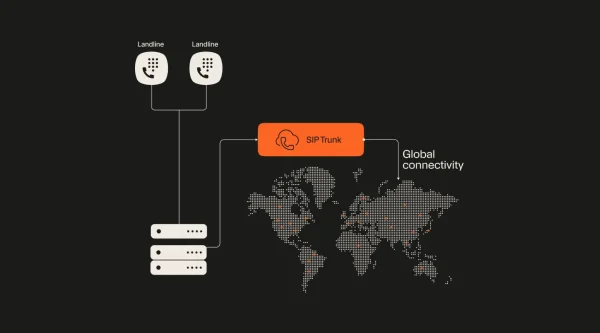
Infobip’s global messaging infrastructure includes 800+ direct operator connections and reaches 190+ countries, with 99.95% uptime. This network lets logistics providers send updates across markets. Accurate shipment events, customer consent and the right channel help make each update useful.
How to measure logistics CX
To see whether the changes are working, look at both customer and operational measures. Customer measures show how the relationship is going. Operational measures help teams spot problems while there’s still time to change the next shipment or update.
Track the measures customers know
Net Promoter Score (NPS) captures whether customers would recommend the provider. Customer Satisfaction (CSAT) measures an interaction, and retention rate shows whether accounts renew or buy again. Segment scores by customer type and journey stage to see where the experience needs work.
Watch the operational measures that move first
Track WISMO contacts per 1,000 shipments, first-attempt delivery success, notification delivery by channel and market, cost per contact, AI resolution rate, first-contact resolution and average handle time. Also measure the time from exception detection to customer notification.
Compare this interval by exception, route and channel to see where faster notifications coincide with better service outcomes.
A practical sequence for improving logistics CX
Use those measures to choose one part of the journey to improve. Start with the communication gap that causes the most customer effort or repeat work, then expand once the first change is working.
- Measure the exception-to-notification gap. Record when an exception occurs, when the message goes out, and whether it reaches the customer. This gives the team a baseline.
- Map the shipper and recipient journeys separately. Note what each person needs at booking, transit, exception, delivery and aftercare. Assign an owner for the next action at each point.
- Fix exception messages first. Start with delays, customs holds and failed attempts. Explain what changed, give the customer a next step and say when another update will arrive.
- Set up channel fallback. Choose a preferred channel by market and set a fallback for undelivered messages. Measure delivery and response, not the number of channels in use.
- Let customers reply. Route responses to the shipment or support workflow. Let customers change delivery details or request help without making them start over.
- Automate routine requests and keep a human route open. Start with low-risk tasks. Connect automation to live shipment data and give agents the conversation context for complex claims.
AgentOS brings customer engagement, Conversational CDP, AI, and human service capabilities together in one environment. Connect the relevant modules to the TMS, WMS, order system, and contact center. Expand the journey once the first use case shows results.
Talk to us about logistics CX
With both journeys in view, build the logistics experience around the shipment event, the person who needs to know, and the action that resolves the issue.
Frequently asked questions
It covers every interaction shippers and end recipients have with a provider, from quote and booking to tracking, delivery, claims, returns and billing. It includes service performance and communication. A shipment can arrive on time and still frustrate customers if nobody explains what happens next.
Customer service responds when a customer asks for help. Customer experience covers the full journey, including whether the customer needs to ask. A proactive delivery update is part of the experience; answering a WISMO contact is customer service.
The seven Rs are the right product, recipient, quality, time, quantity, information, and price. Strategy& adds the right experience as an eighth R. It covers how customers are informed and supported around delivery.
Measure the time between an exception and the customer update, then fix the biggest gaps first. Map the shipper and recipient journeys separately. Use preferred channels and set a fallback. Let customers act on messages and automate routine requests while keeping a clear path to human support.
It depends on the recipient and the market. Use RCS for branded content on compatible devices, SMS for broad reach and fallback, email for documents, and voice for urgent last-mile issues. Choose based on customer preference, consent, delivery data, and local coverage.
The share varies by operator, shipment type, tracking maturity, and how contacts are classified. Measure WISMO contacts per 1,000 shipments instead of relying on a universal percentage. Compare the WISMO rate with message delivery rates and the time between an exception and customer notification. This shows which contacts timely updates might prevent.
AI can handle routine requests such as tracking, rescheduling delivery, changing an address, retrieving proof of delivery, and starting returns when connected to the relevant shipment systems. Keep human agents available for complex damage claims, disputed charges, and requests that need judgment. Pass the conversation context along with the handoff.
Track NPS, CSAT, and retention. Also track operational measures: first-attempt delivery rate, WISMO contacts per 1,000 shipments, notification delivery, cost per contact and time from exception to customer notification. Operational measures help teams find a problem before it shows up in a quarterly satisfaction score.
A B2B shipper has a contract, an account relationship and responsibility for its own customers. A B2C recipient may have no direct relationship with the carrier. They judge delivery through updates, ETA accuracy, and available options. The journeys need different measures, linked to the same shipment.
Connect customer engagement and service workflows across both journeys.