






MMS MARKETING GUIDE / CHAPTER 3
MMS marketing examples and best practices
MMS can help you bring more engaging marketing campaigns to life. With rich media and reliable delivery, you can get better visibility of your marketing efforts and increase campaign engagement.
Examples of MMS marketing
MMS FOR Acquisition
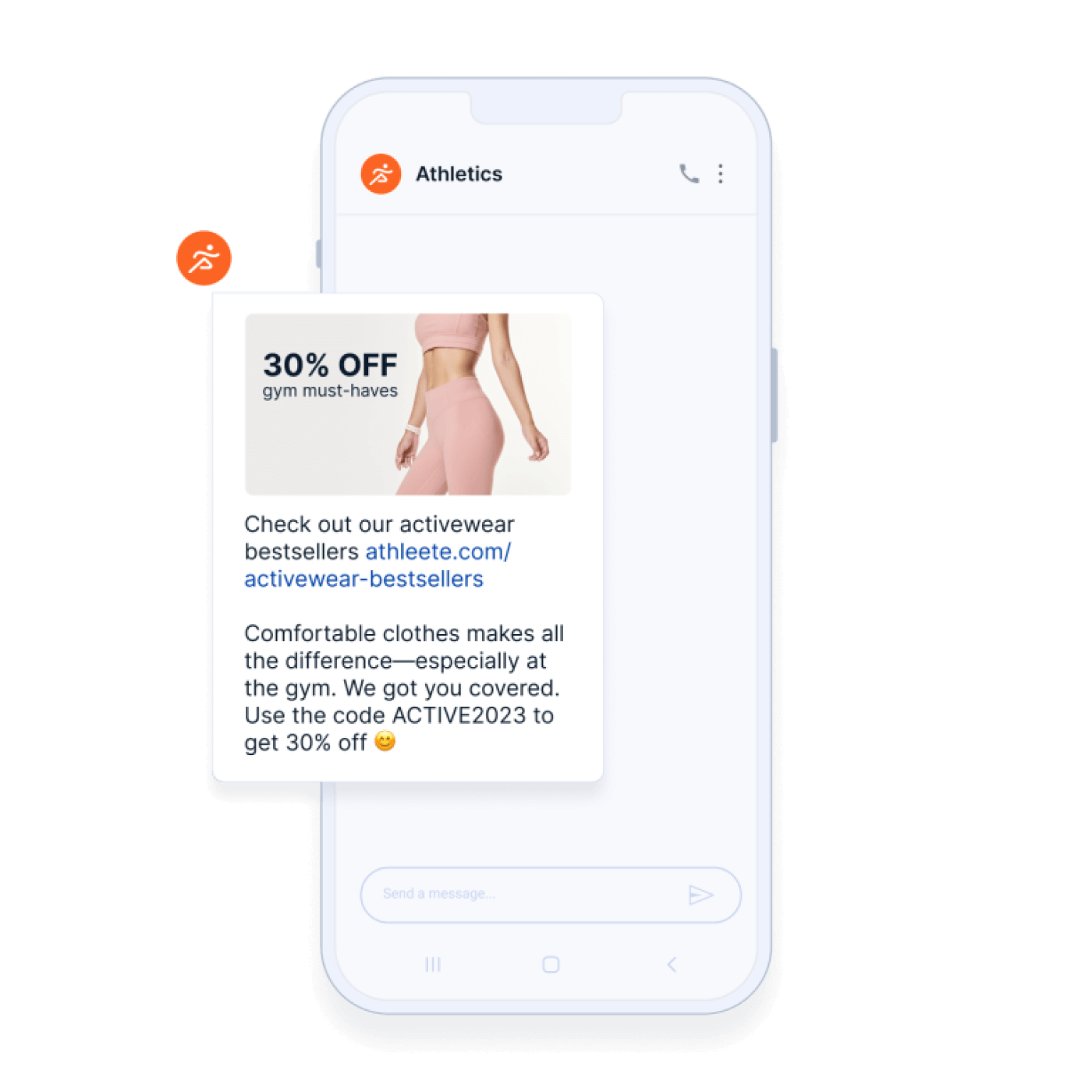
Send coupons and promotions
Enable temporary credit cards
Allow easy subscription sign-up
MMS FOR GROWTH
Make product registration effortless
Get quick access to tickets
Speed up insurance claim submission
MMS FOR RETENTION
Simplify customer support
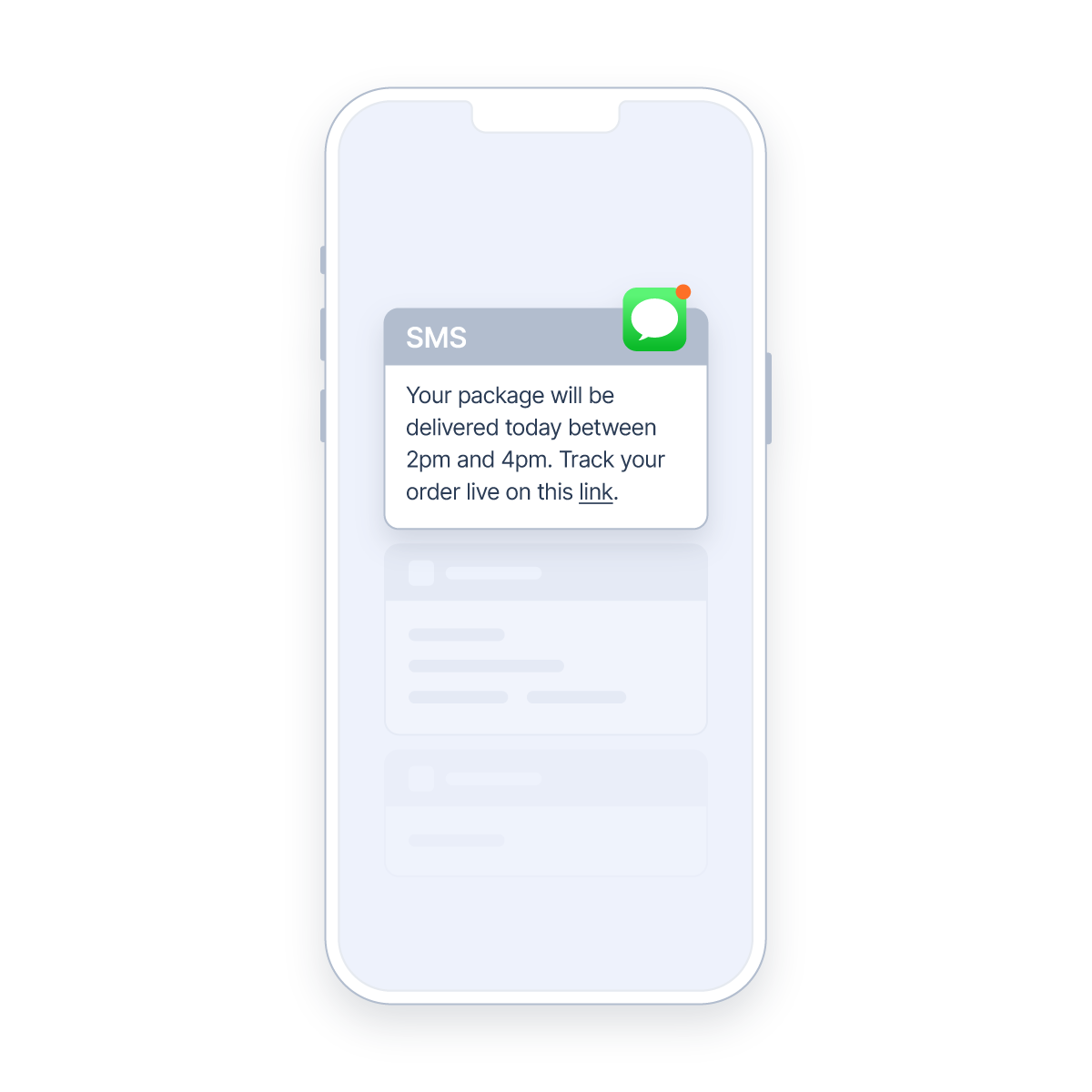
Provide proof of delivery
Personalize shopping experiences
Send special occasion messages
Top 6 best practices for MMS marketing
There is a lot to consider when creating your MMS messages for customers. What kind of picture leads to higher conversion rates? Is a QR code better than a link? Which font is more engaging?
In short, it depends. The best solution for a coupon campaign might not work for a product registration and vice versa. Every feature should be considered on a case-by-case basis, but we can give you some general pointers to keep in mind when crafting the perfect MMS message.
The benefits of MMS marketing
Since MMS is sent directly to your customer’s phone without the need for them to download an app, you can be certain that your marketing message will reach its intended destination. This leads to some great benefits for your business.
Improve open rates
MMS boasts of up to a 98% open rate. In comparison, the average open rate of an email is around 20%. This remarkable difference means you can rest assured that the messages you invest time and effort into crafting are actually seen.
Reach unparalleled click-through rates (CTR)
The CTR of MMS is 15% on average which greatly increases conversion rates. In comparison, a CTR of 5% is considered great for an email campaign, while a CTR of around 3% is usually expected from search ads.
Boost visibility for campaigns
90% of all MMS marketing messages are read within 3 minutes. This means you can send out limited time discounts, temporary coupon codes and other time-sensitive offers knowing that the customer will see it before the offer expires.
Enrich customer engagement
In comparison to a typical text message, MMS delivers 300% more engagement than SMS. This is due to the rich messaging features which capture attention faster than text-only. Using MMS increases the likelihood of people engaging with the content, rather than just skimming through it quickly.
Build customer relationships over every possible channel
Deliver true omnichannel experiences on the most robust platform.
MMS MARKETING GUIDE / CHAPTER 2
MMS vs. SMS: How do they differ?
Discover the differences between the two mobile messaging channels and how they can enhance your communication strategy when paired together.
What’s the difference between SMS and MMS?
Short Message Service (SMS), or a text, is exactly that – a short message made of only text. It allows you to send and receive messages of maximum 160 characters and over a mobile network.
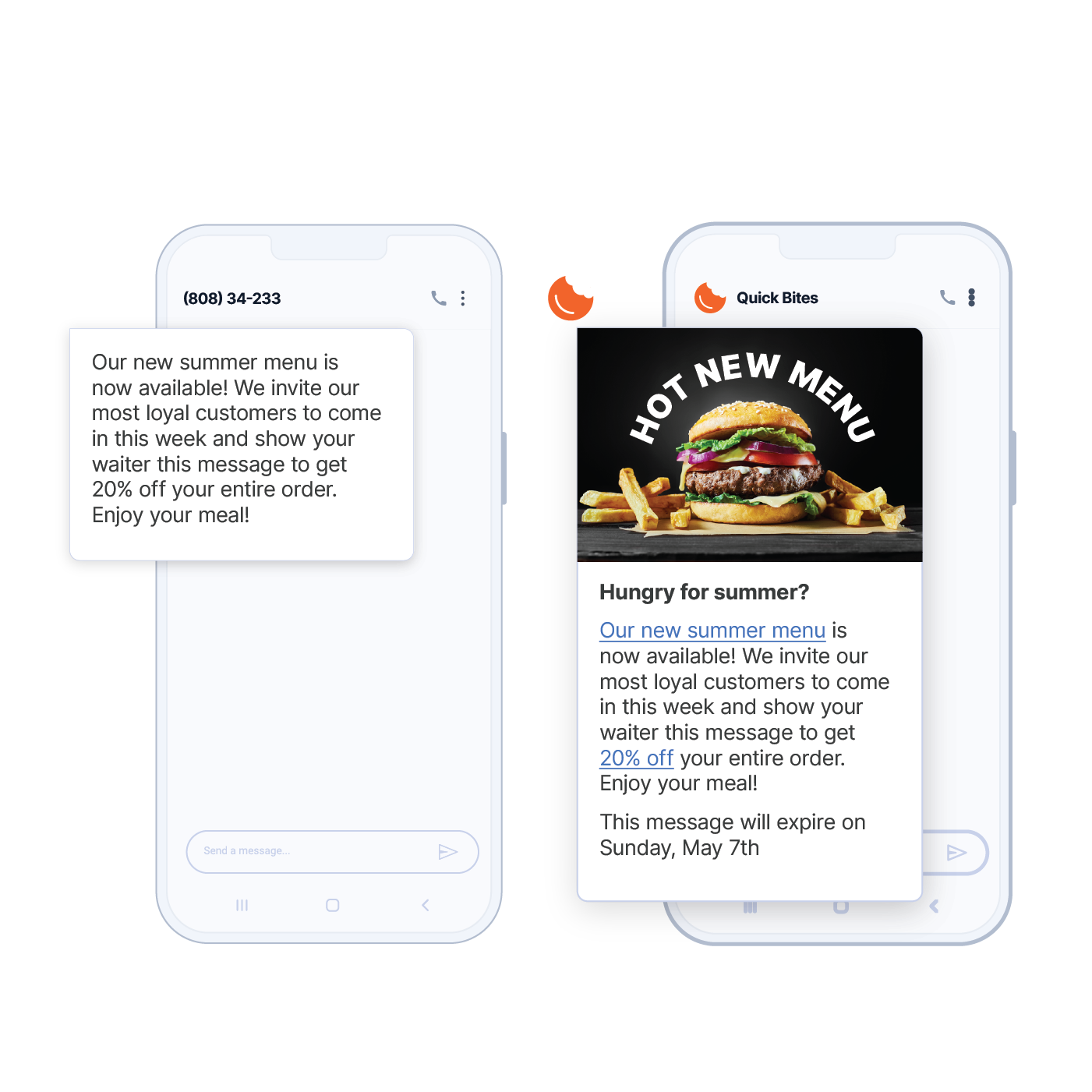
Multimedia Message Service (MMS) is the next level of SMS. It uses multimedia like images and videos, along with text making for richer communication between users.
A side-by-side comparison of SMS and MMS
| SMS | MMS |
|---|---|
| 160 character limit | Higher limit than SMS- dependent on provider |
| Send text only | Send text, videos, images |
| Inexpensive | More expensive than SMS |
| Any mobile phone can receive SMS | Not all mobile phones can receive MMS |
| Ideal for immediate communication (ie. reminders, announcements, updates, 2FA) | Ideal for creative messages (ie. promotions, coupons, QR codes) |
Pros and cons of SMS and MMS
SMS and MMS are both mobile messaging channels but carry their own advantages and weaknesses that are important to note:
| SMS | MMS | |
|---|---|---|
| Pros | Available on all devices Reliable delivery Simple to use Cost Effective | Send multimedia messages Compatible on a wide range of phones Enriches communication High character limit |
| Cons | Character limit of 160 characters No multimedia Prone to spam and scam attacks | Expensive Limited file size Higher chance of undelivered messages |
Best use cases for SMS vs. MMS
So using both channels together, depending on the use case, can improve customer engagement, loyalty and responsiveness to your marketing messages. Take a look at ideal use cases for SMS and MMS:
SMS USE CASES
MMS USE CASES
MMS and SMS: The perfect marketing combo
When we look at the bigger picture, we shouldn’t be limited to thinking that it’s always SMS vs. MMS.
In fact, because of their differences and individual pros and cons, using both channels in combination can make your communication and marketing efforts much more effective.
In an effective omnichannel communication strategy you don’t have to choose between the two, but can use both, leveraging each’s best features depending on the context.
This has been highlighted by a number of our clients in the healthcare sector who use the SMS and MMS channels very effectively to fulfill prescriptions, for example for contact lenses:

Customer initiated MMS
The customer takes a picture of their prescription and sends it to their medical provider via MMS

Continue conversation via SMS
Two-way conversation can resume over the cost-effective SMS channel once the image is received

Redirect additional requests
If needed, email addresses and URLs can be sent via SMS for any additional requests

Beneficial results
Customer has a frictionless experience and the business gets maximum ROI and satisfied customers
Build customer relationships over every possible channel
Deliver true omnichannel experiences on the most robust platform.

MMS MARKETING GUIDE / CHAPTER 1
The complete guide to MMS marketing for businesses
In a world of instant communication, dominated by digital channels, we’ve forgotten where it all started: mobile messaging. Discover what MMS marketing is and why it’s still a staple channel for your marketing communication.
In the modern tech world, old often means obsolete. But you’d be surprised to learn that MMS is actually more relevant and engaging than you would expect. In North America, it’s one of the most reliable ways for businesses to communicate in a rich and engaging manner.
In the United States, we’ve observed 19% more interactions on our platform in 2022 than in 2021.
This guide is your single source of everything you need to know about MMS messaging and why it’s still a strong contender in the communication space. Also, you will learn how MMS can amp up your marketing strategy.
Let’s take a deep dive into all you need to know about MMS, starting with the basics.
2.2 trillion
MMS and SMS sent in 2020 in the US alone
What is MMS?
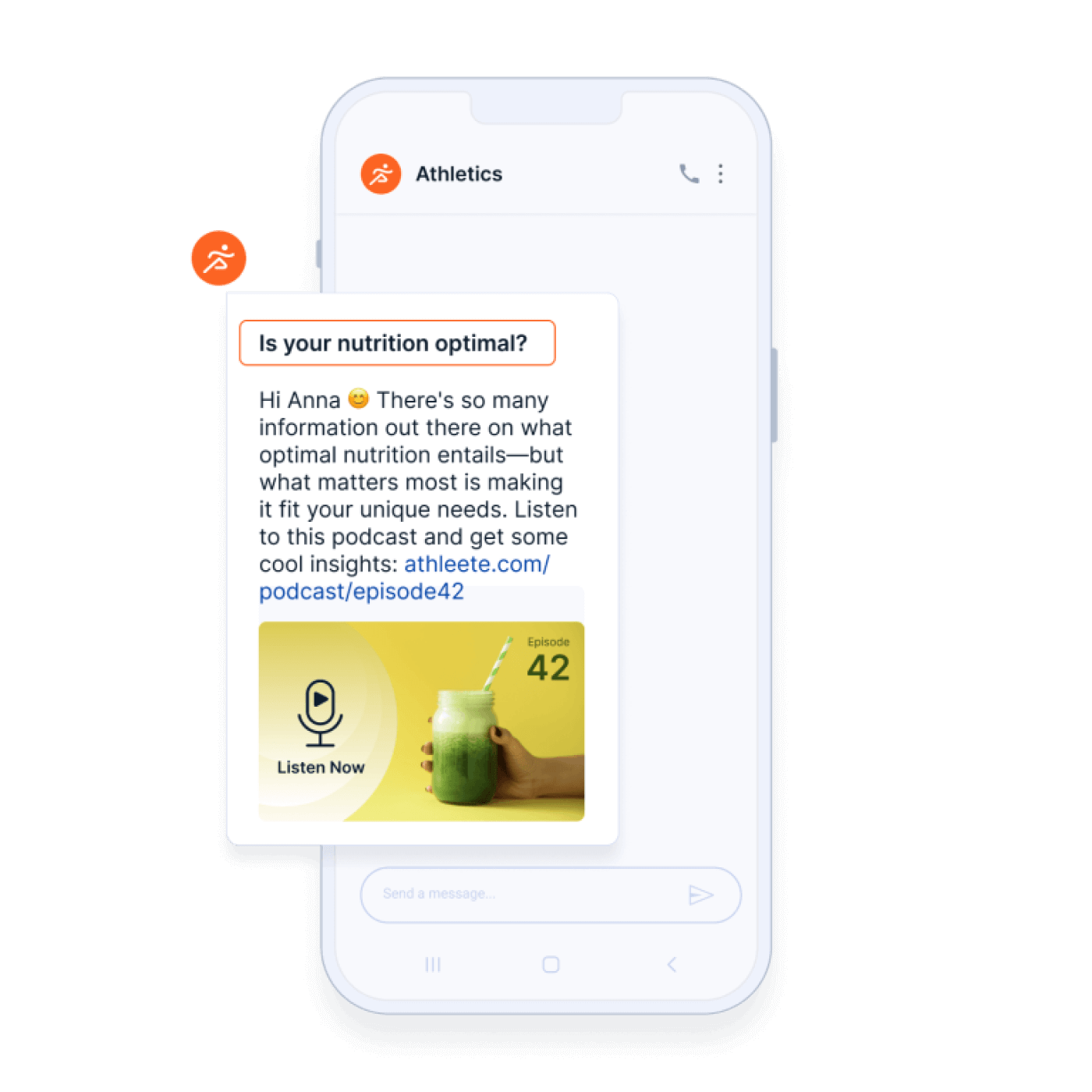
Multimedia Messaging Service is a standard form of messaging available on all mobile phones. While SMS is text-only, MMS lets you send different kinds of media along with text. Instead of a plain message, you can include images, sounds and videos.
This allows you to create a fully customized, rich message specifically tailored to your communication needs. You can even choose different fonts and change the color of the text to emphasize certain words and improve engagement.
Key features of MMS for marketing communication
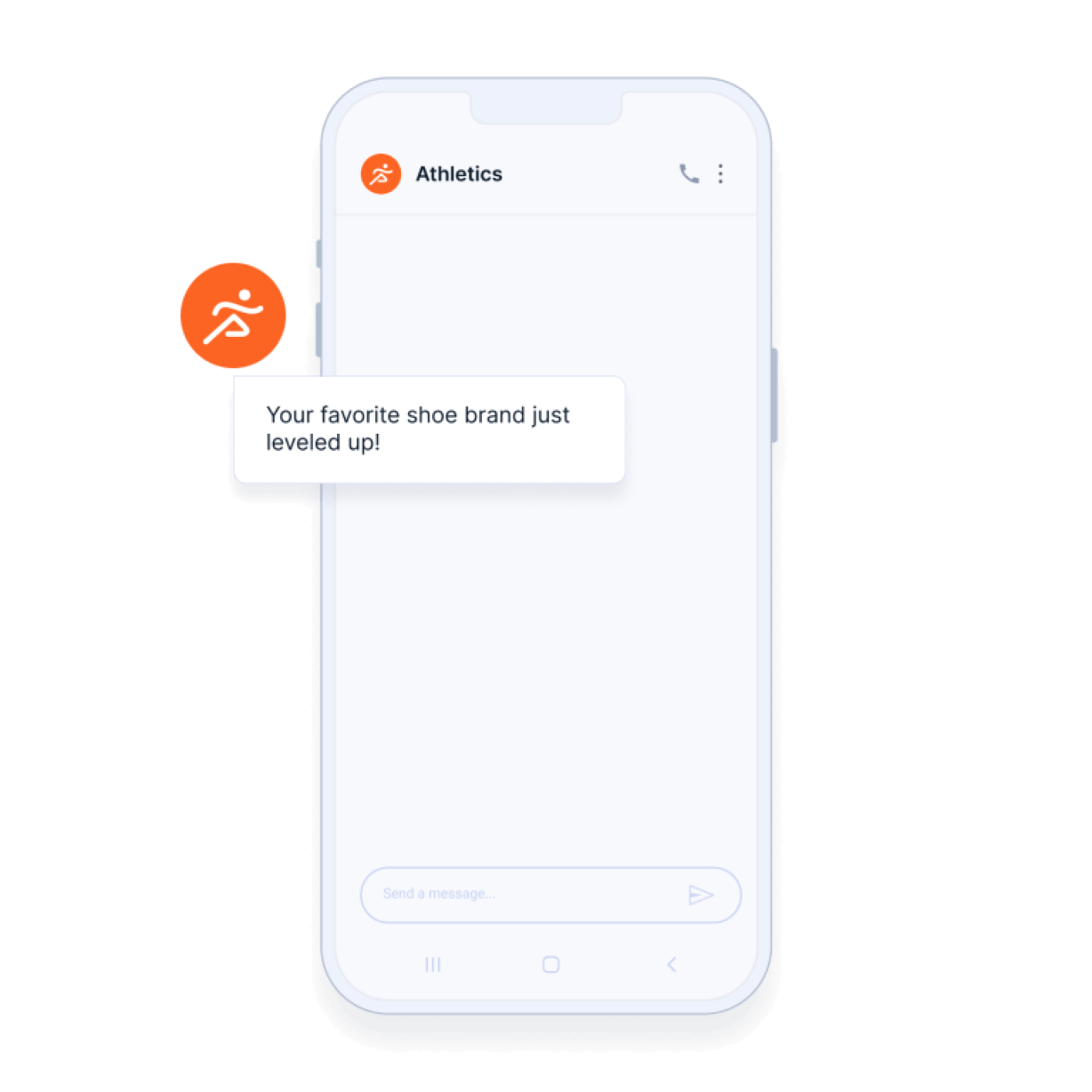
Let’s uncover the features that make MMS stand out as more than just “SMS with pictures”.

How to use MMS for marketing
MMS marketing enables you to use rich media for launching eye-catching campaigns straight to your customers’ inboxes.
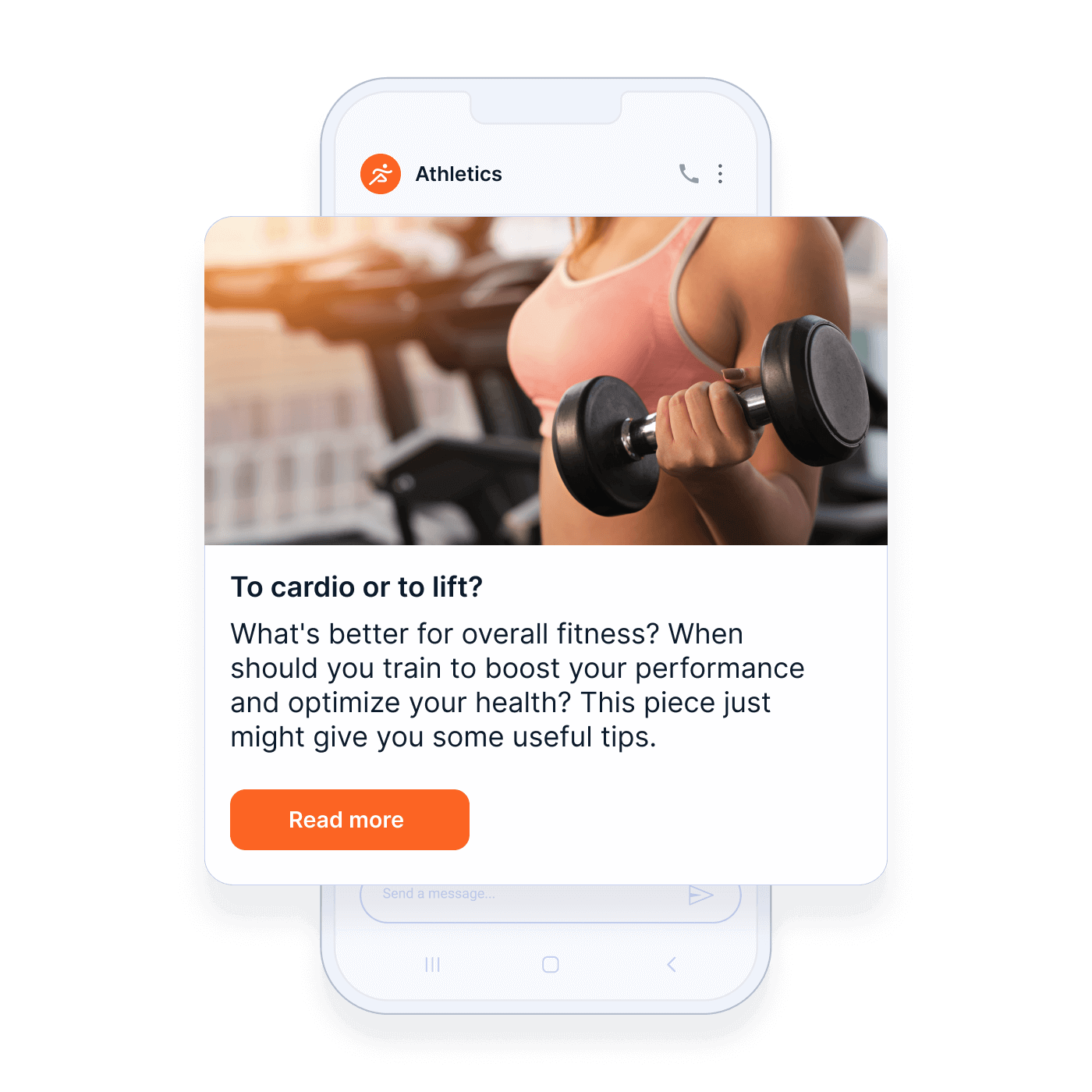
You can include multimedia and rich communication elements like images, links, and videos to increase engagement, visibility and yield higher conversions with their marketing efforts. Think of it as a level up from SMS marketing messages.

Tips for your MMS marketing strategy
To make sure you’re building a fool-proof MMS marketing strategy, take a look at some tips that can help you get there.



FAQs about MMS
Still have questions about MMS messaging? Read on for frequently asked questions about this messaging channel.
Continue reading our MMS marketing guide
Build customer relationships over every possible channel
Deliver true omnichannel experiences on the most robust platform.