


How to choose the best customer engagement platform in 2026
The difference between a one-time buyer and a lifelong customer often comes down to a single well-timed message on the right channel.

Customers move fluidly between devices and channels, expecting brands to remember context at every step. Browse a product on mobile during lunch, receive a relevant email that evening, ask a question via chat the next morning; each interaction should acknowledge what came before. When brands lose that thread, customers notice. And they leave.
Customer engagement platforms solve this continuity problem. They don’t just broadcast messages. They build a living record of every customer interaction, spot patterns in behavior as they emerge, and activate the right message on the right channel before the moment passes. AI powers these platforms to predict what customers need next, recommend the best channels for each message, and personalize content at scale. In 2026, businesses that invest in the right platform gain a competitive edge: higher loyalty, better insights, and stronger bottom-line results.
This guide covers everything you need to know to choose the best customer engagement platform for your business. You’ll learn what these platforms are, which features matter most, how to evaluate your options, and which solutions lead the market in 2026. Whether you’re starting from scratch or upgrading your stack, you’ll walk away with a clear roadmap for driving engagement that converts.
What is a customer engagement platform?
A customer engagement platform is a software suite that manages and orchestrates customer interactions across multiple channels like email, SMS, chat, social media, mobile apps, and even in-store touchpoints. Unlike tools that handle single functions, these platforms bring everything together, so you can deliver consistent, personalized experiences no matter where your customers are.
Here’s how it works: The platform collects data from every customer interaction, analyzes behavior in real time, and triggers context-aware engagement based on what people do (or don’t do). Someone abandons their cart? Send a recovery message. A customer clicks a promotional email? Follow up with a personalized offer on their preferred channel. It’s engagement that feels relevant because it’s built on actual behavior, not guesswork.
How it differs from related technology
Customer engagement platforms often get confused with other tools in the martech stack. Here’s how they’re different:
- Customer engagement platform vs. CRM: A CRM like Salesforce or HubSpot focuses on managing sales pipelines and customer relationships. It tracks deals, contacts, and transactions but doesn’t orchestrate real-time, multichannel engagement at scale. Customer engagement platforms complement CRMs by activating that data across channels.
- Customer engagement platform vs. CDP: A Customer Data Platform (CDP) unifies customer data from different sources into a single profile. It’s the foundation for personalization, but it doesn’t execute campaigns or manage conversations. A customer engagement platform uses CDP data to trigger journeys and messages. Infobip’s platform, for example, includes a built-in CDP that creates unified profiles to power personalized engagement across all channels.
- Customer engagement platform vs. Marketing automation: Marketing automation tools like Marketo or Mailchimp focus on campaign execution, often email-first. They’re great for scheduled sends and nurture sequences, but lack the real-time orchestration, omnichannel reach, and conversational features of a full engagement platform.
- Customer engagement platform vs. Customer support software: Tools like Zendesk or Intercom handle reactive service, managing tickets and live chat after customers reach out. Customer engagement platforms take a proactive approach, triggering messages before issues arise and orchestrating journeys that prevent churn.

The right customer engagement platform brings all these capabilities together: unified data, multichannel orchestration, real-time personalization, and both proactive and reactive engagement.
Core features to look for
Choosing the right customer engagement platform comes down to finding the features that match your business goals and customer expectations. Here’s what to prioritize:
Unified customer profiles
Every interaction your customers have with your brand generates data: website visits, email clicks, app usage, support tickets, and purchases. A unified customer profile pulls all that information into a single view so you can see the complete picture of who each customer is and how they engage with you.
This isn’t just about collecting data. It’s about syncing it in real time so your messaging stays relevant. When a customer abandons their cart, you know instantly. When they open an email but don’t click through, you can follow up with a personalized SMS or WhatsApp message based on their preferences.
The best platforms create these unified profiles automatically, connecting data from every touchpoint without manual work. Look for real-time synchronization that keeps customer information current across all your tools.
Real-time interaction and personalization
Generic messages don’t work anymore. Customers expect brands to know who they are, what they’ve done, and what they need next. Real-time interaction means triggering messages the moment something happens: a form submission, a page view, a purchase, or even inactivity that signals churn risk.
Dynamic content takes this further by tailoring every element of a message to the individual. Product recommendations based on browsing history. Offers that reflect purchase patterns. Subject lines that reference recent activity. It all adds up to experiences that feel personal because they are.
Event-triggered flows automate these interactions based on customer behavior. Set up rules once, and the platform handles the rest: sending the right message, on the right channel, at the right time.
Omnichannel orchestration
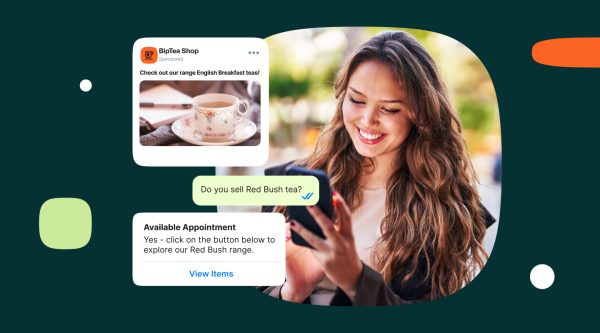
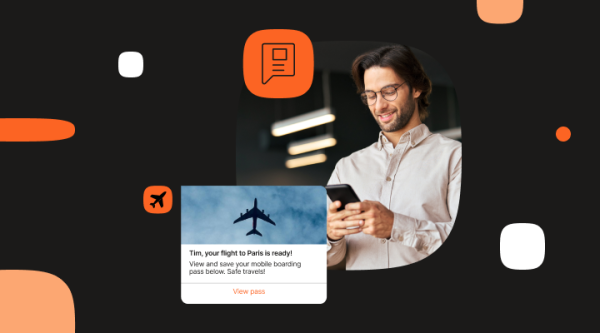
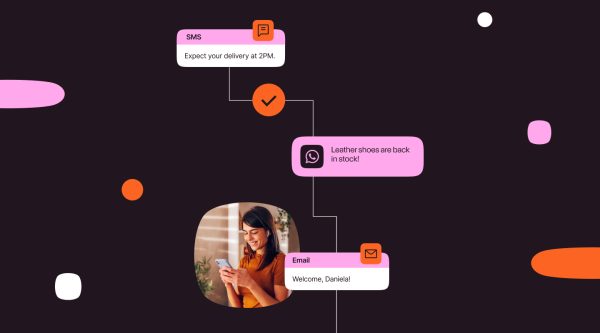
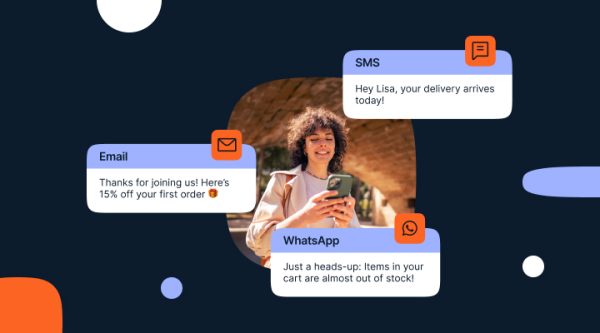
Your customers don’t stick to one channel, so your engagement platform shouldn’t either. Omnichannel orchestration means coordinating messages across email, SMS, push notifications, WhatsApp, Viber, RCS, web, in-app messages, social media, and Live Chat.
But it’s not just about sending on multiple channels. It’s about creating journeys that track how customers engage and adapt accordingly. If someone opens an email but doesn’t click, switch to SMS. If they ignore a push notification, try WhatsApp. If a rich message fails to deliver, automatically fall back to SMS.
Look for platforms that support 10+ channels with visual workflow builders. Track clicks, opens, and conversions at every step. Switch channels dynamically based on performance. Keep the conversation moving without manual intervention.
Engagement analytics
You can’t improve what you don’t measure. Engagement analytics give you visibility into how customers move through your journeys: which messages drive conversions, where people drop off, which channels perform best, and how different segments respond to your campaigns.
Journey tracking shows you every touchpoint. Segmentation breaks down performance by audience, behavior, or demographics. Attribution tells you which interactions led to conversions. Dashboards put it all in one place so you can spot trends, run A/B tests, and optimize on the fly.
Built-in analytics should include funnel tracking, goal measurement, and audience segmentation. You need to see exactly how your flows perform and make data-driven decisions about where to invest your effort.
Automation and workflow engine
Automation is what turns a platform into a growth engine. Rule-based workflows let you set conditions and triggers, so campaigns run themselves: onboard new users, nurture leads, recover abandoned carts, re-engage inactive customers, and celebrate milestones.
AI recommendations take this further by suggesting next-best actions, optimizing send times, and personalizing content at scale. Chatbot integration adds another layer, handling common questions and routing complex issues to human agents when needed.
Look for workflow engines that support both simple and complex automation. Build multi-step flows with conditional logic, time delays, A/B tests, and API calls. Integrate chatbots directly into journeys for conversational automation that feels human.
Integrations
Your engagement platform doesn’t exist in a vacuum. It needs to connect with your CRM, CDP, ecommerce platform, support tools, and any other systems that hold customer data or execute business logic.
API-first architecture gives you the flexibility to build custom integrations. Pre-built connectors make it easy to plug into popular platforms like Salesforce, HubSpot, Oracle, Adobe, Shopify, and more. The goal is seamless data flow, so you’re not duplicating work or creating silos.
Check for integrations with the tools you already use. The right platform should connect easily with your existing tech stack without forcing you to replace systems that work.
Why customer engagement platforms are a business priority
Customer engagement platforms aren’t just nice-to-have marketing tools. They’re business-critical infrastructure that directly impacts your bottom line.
Key business outcomes:
- Higher retention and loyalty: Acquiring a new customer costs five times more than retaining an existing one. Customer engagement platforms deliver personalized experiences that make people want to stay. Send relevant messages at the right moments, and customers feel understood. Resolve issues quickly across their preferred channels, and they trust you. That trust turns into loyalty, and loyalty drives lifetime value.
- Improved conversion rates: Generic campaigns don’t convert. Personalized, behavior-triggered engagement does. Act on what customers do in real time: send a cart recovery message the moment someone abandons checkout, recommend products based on browsing history, and offer a discount when someone’s about to churn. Every interaction becomes an opportunity to move people closer to conversion.
- Better customer insights: Customer engagement platforms unify data from every touchpoint: website visits, email clicks, support conversations, purchases, and app activity. This complete view shows you what customers actually want, not what you assume they want. Spot patterns, identify friction points, and make data-driven decisions about where to invest your effort. Analytics dashboards give you visibility into what’s working and what’s not so that you can optimize continuously.
- Consistent omnichannel experience: Your customers don’t think in channels. They expect seamless experiences whether they’re on your website, messaging you on WhatsApp, opening an email, or talking to a support agent. Customer engagement platforms orchestrate these interactions so the conversation flows naturally across channels. Start with email, continue on SMS, and finish on chat. No repeated information. No disconnected experiences. Just one cohesive journey.
Current market drivers
AI-powered personalization
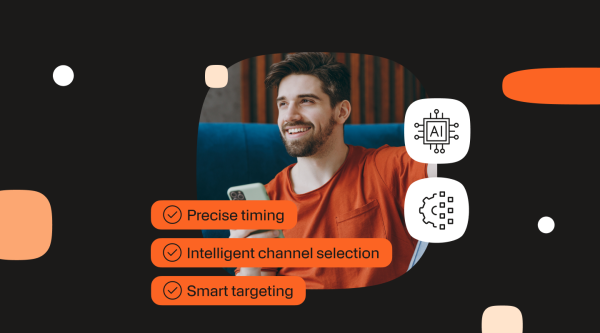
AI takes personalization beyond basic segmentation. It predicts what customers need next, recommends the best channel for each message, optimizes send times for maximum engagement, and generates dynamic content that adapts to individual preferences. Experiences feel one-to-one even at scale. Infobip’s AI Hub supports these capabilities, enabling conversational experiences that learn and improve over time.
Privacy-safe data practices
Regulations like GDPR and CCPA aren’t going away. They’re getting stricter. Customer engagement platforms help you stay compliant while still delivering personalized experiences. They use first-party data (information customers voluntarily share), respect consent preferences, and give customers control over their data. This builds trust while keeping you on the right side of regulations.
Cross-device recognition
Customers switch between devices constantly: browsing on mobile, checking email on desktop, and making purchases on tablets. Cross-device recognition stitches these sessions together into unified profiles so you can deliver consistent experiences no matter which device someone uses. You know it’s the same person, even if they’re using different devices, so your messaging stays relevant and contextual.
Customer engagement platforms drive measurable outcomes in retention, conversion, and customer satisfaction while future-proofing your tech stack for evolving customer expectations.
Choosing the right platform
Understanding your business goals and how the platform will support them is the foundation of making the right choice.
Define your business goals
Start with what you want to achieve. Acquisition, retention, or lifecycle optimization? Each goal demands different features and capabilities.
Acquisition calls for lead capture, automated welcome sequences, and multichannel outreach that meets prospects where they are. Retention requires behavioral triggers, loyalty programs, and personalized re-engagement campaigns. Lifecycle marketing needs orchestration across every stage: onboarding, activation, nurture, upsell, renewal, and win-back.
Match your channel priorities to audience preferences. If your customers live on WhatsApp, you need robust support for conversational commerce. If they respond better to email, prioritize deliverability and advanced personalization. Mobile-first businesses need push notifications and in-app messaging. B2B companies might lean on SMS and email for professional communication.
Check how well it connects with your existing tools
Your customer engagement platform doesn’t work in isolation. It needs seamless connections with your existing tech stack: CRM, CDP, eCommerce platform, support tools, and analytics systems.
Look for an API-first architecture that gives you the flexibility to build custom integrations when pre-built connectors don’t exist. Pre-built integrations with popular platforms like Salesforce, HubSpot, Shopify, or Oracle save implementation time and reduce technical debt.
Evaluate the depth of integrations, not just their existence. Does data sync in real time? Can you trigger workflows across systems? Will customer profiles stay unified across platforms?
Verify AI and automation strength
AI isn’t a buzzword anymore. It’s table stakes for competitive customer engagement. The right platform uses AI to make smarter decisions about when, where, and how to reach customers.
Channel recommendation analyzes past behavior to suggest the best channel for each message. Someone who ignores email but opens SMS within minutes? Route their next message accordingly. Send time optimization predicts when each individual is most likely to engage and schedules delivery for that moment. Content personalization dynamically adapts messaging based on behavior, preferences, and context.
Advanced platforms also offer destination scoring, which analyzes deliverability patterns to prioritize contacts most likely to receive and engage with messages. This improves overall campaign performance while reducing waste on unreachable contacts.
Confirm it can handle your volume and growth
Your platform needs to handle your current volume and grow with your business. Can it process millions of messages per day without degradation? Does it support global reach with local compliance requirements in every market you operate?
Performance matters for real-time engagement. If your platform can’t trigger a cart recovery message within minutes of abandonment, you’ve already lost the moment. Latency kills conversions.
Compliance is non-negotiable. GDPR, CCPA, and regional regulations demand platforms that respect consent, handle data securely, and provide transparency. Look for built-in compliance features and clear data governance policies.
Understand the cost structure and value
Pricing models vary widely. Some platforms charge per contact, others per message, and some use usage-based tiers. Transparent pricing helps you forecast costs and avoid surprises as you scale.
Feature availability across pricing tiers matters. Does the entry-level plan include the automation and analytics you need, or are critical features locked behind enterprise pricing? Consider the total cost of ownership: licensing fees, implementation costs, training, and ongoing support.
ROI comes from measurable outcomes. Higher retention rates, improved conversion rates, reduced support costs, and increased customer lifetime value all contribute to bottom-line impact. The right platform pays for itself through better customer engagement.
Balance ease of use with customization needs
Some platforms prioritize simplicity with drag-and-drop builders and templates. Others offer deep customization through APIs and code-level control. Enterprise platforms often provide both, but the learning curve can be steeper for smaller teams.
Consider your team’s technical expertise. Do you have developers who can leverage APIs? Or do you need a no-code solution? Some platforms offer tiered complexity: simple workflows for basic use cases and advanced features for power users.
Look for platforms that provide strong onboarding, documentation, and support to bridge the gap during implementation.
Top customer engagement platforms in 2026
The market offers dozens of customer engagement platforms, each with different strengths, channel coverage, and ideal use cases. This comparison focuses on platforms that deliver proven results across industries, support omnichannel orchestration, and integrate with existing tech stacks.
Infobip
Infobip is a global cloud communications platform that combines CPaaS infrastructure with a complete customer engagement suite. The platform includes omnichannel messaging, cloud contact center, AI agents, journey orchestration, insights and analytics, and unified customer data.
Key differentiators: Infobip operates its own telecom infrastructure with direct carrier connections in 190+ countries, ensuring high deliverability and competitive pricing. The platform unifies engagement across every stage of the customer journey – from acquisition and onboarding to retention and loyalty – so your customer experience is never siloed. Underneath sits a robust CPaaS layer that gives you the flexibility to integrate messaging APIs, automation, and data wherever you need them.
Channel support: 15+ channels including SMS, email, WhatsApp, Viber, RCS, push notifications, voice, video, chat apps, and more. Automated failover switches to backup channels if primary delivery fails.
Integrations: Pre-built connectors for Salesforce, HubSpot, Oracle, Adobe, Microsoft Dynamics, Shopify, and major ecommerce platforms. API-first design supports custom integrations.
Pricing: Usage-based pricing with transparent tiers. Contact sales for custom enterprise packages.
Best for: Enterprises needing global reach, businesses requiring unified communications and customer data, and companies scaling omnichannel engagement without switching providers.
Try Infobip with a free trial or book a demo to see the platform in action.
Salesforce Marketing Cloud
Salesforce Marketing Cloud offers journey builder, audience segmentation, and campaign execution across email, mobile, social, and advertising channels. Part of the broader Salesforce ecosystem, it integrates tightly with Sales Cloud and Service Cloud.
Channel support: Email, SMS, push notifications, social media ads, display advertising, chat.
Strengths: Deep Salesforce CRM integration, comprehensive journey builder, enterprise-grade scalability, strong email capabilities.
Considerations: Complex setup and administration. Steep learning curve. Premium pricing. Conversational channels like WhatsApp require additional connectors or partners.
Pricing: Starts around $1,250/month for basic email marketing (Marketing Cloud Engagement). Full Journey Builder and cross-channel capabilities start around $3,750/month. Enterprise packages can exceed $100,000+ annually.
Best for: Salesforce CRM users wanting to extend marketing capabilities, large enterprises with dedicated marketing ops teams, B2B and B2C companies prioritizing CRM alignment.
Adobe Journey Optimizer
Part of Adobe Experience Cloud, Journey Optimizer provides real-time decisioning and personalization across web, email, mobile, and offline channels. The platform uses Adobe Experience Platform as the data foundation for unified customer profiles.
Channel support: Email, SMS, push notifications, web personalization, in-app messages.
Strengths: Real-time decisioning at scale, deep integration with Adobe Experience Cloud, strong personalization engine, unified customer profiles via Adobe Experience Platform.
Considerations: Requires Adobe Experience Platform investment. Complex implementation. Conversational channels require third-party partnerships. Best suited for organizations already committed to the Adobe ecosystem.
Pricing: Custom enterprise pricing, typically $50,000-$200,000+ annually depending on scale and features. Requires Adobe Experience Platform license (additional cost). Contact Adobe for detailed quotes.
Best for: Adobe Experience Cloud customers, enterprises with complex personalization requirements, and brands prioritizing real-time decisioning across web and mobile.
HubSpot
HubSpot combines CRM, marketing automation, sales tools, and customer service in one platform. Designed for ease of use with a focus on inbound marketing and relationship building.
Integration benefits: Infobip’s integration adds SMS and WhatsApp capabilities to HubSpot workflows, enabling users to reach customers on their preferred channels without switching platforms. The integration syncs contact data and engagement history automatically.
Channel support: Email, forms, live chat, calling, plus SMS and WhatsApp via Infobip.
Pricing: Free CRM available. Marketing Hub starts at $20/month (Starter) up to $3,600/month (Enterprise). Sales Hub and Service Hub follow similar pricing tiers.
Best for: SMBs and growing businesses, companies wanting all-in-one CRM and marketing automation, teams prioritizing ease of use over advanced customization.
WebEngage
WebEngage is a mobile-first customer engagement platform serving app-centric businesses with push notifications, in-app messaging, and mobile analytics.
Integration benefits: WebEngage’s partnership with Infobip adds RCS, WhatsApp, and global SMS infrastructure to their mobile engagement capabilities. This extends their reach beyond app users to include customers on messaging platforms.
Channel support: Push notifications, in-app messages, email, SMS, web push, plus enhanced messaging via Infobip.
Pricing: Custom pricing based on monthly tracked users. Contact WebEngage for quotes.
Best for: Mobile app businesses, consumer brands with high app engagement, and companies needing mobile analytics and messaging.
CleverTap
CleverTap is another mobile-first engagement platform competing in the same space as MoEngage. The platform focuses on user retention and lifecycle marketing for mobile apps.
Channel support: Push notifications, in-app messages, email, SMS, WhatsApp (via partners), web push.
Strengths: Real-time analytics, uninstall tracking, good experimentation capabilities, predictive segmentation.
Considerations: Primarily mobile-focused. Email capabilities are less mature than specialized email platforms. Conversational channels require partnerships.
Pricing: Custom pricing based on monthly tracked users. Typically starts around $1,000-$2,000/month for mid-sized apps. Volume discounts available. Free plan for startups (up to 25,000 MTUs).
Best for: Mobile app businesses, gaming and media companies, and brands needing granular mobile analytics.
Braze
Braze is a customer engagement platform built for mobile-first brands. The platform excels at real-time personalization, cross-channel orchestration, and experimentation. Canvas (Braze’s journey builder) supports complex branching logic and A/B testing.
Channel support: Email, SMS, push notifications, in-app messages, web messages, content cards, webhooks.
Strengths: Strong mobile capabilities, sophisticated segmentation, robust API for custom integrations, good analytics, and experimentation tools.
Considerations: Pricing can be steep for high-volume senders. Email deliverability sometimes requires additional optimization. Conversational channels like WhatsApp or RCS require third-party integrations.
Pricing: Custom pricing based on monthly active users (MAUs). Typically starts around $50,000+ annually for mid-market, with enterprise pricing significantly higher. Contact sales for quotes.
Best for: Mobile-first consumer brands, companies with technical resources to leverage APIs, businesses prioritizing experimentation.
Iterable
Iterable focuses on cross-channel marketing automation with a workflow builder that supports email, SMS, push, in-app, and web messaging. The platform emphasizes ease of use and fast time-to-value.
Channel support: Email, SMS, push notifications, in-app messages, web push, mobile inbox.
Strengths: User-friendly interface, good template management, solid email deliverability, reasonable pricing for mid-market companies.
Considerations: Less robust for conversational channels like WhatsApp or RCS. Limited native support for customer service use cases. Fewer advanced analytics compared to enterprise platforms.
Pricing: Starts around $1,000-$2,000/month for smaller deployments. Pricing scales with contact database size and message volume. Annual contracts are typically required.
Best for: Mid-market B2C companies, teams wanting marketing automation without steep learning curves, ecommerce and media brands.
Klaviyo
Klaviyo specializes in ecommerce marketing automation with deep integrations for Shopify, Magento, WooCommerce, and other platforms. The platform uses purchase and browsing behavior to power personalized email and SMS campaigns.
Channel support: Email, SMS (US-focused), web forms, reviews.
Strengths: Excellent ecommerce integrations, predictive analytics for customer lifetime value, pre-built flows for common ecommerce scenarios (cart abandonment, browse abandonment, post-purchase), revenue attribution.
Considerations: Limited beyond ecommerce use cases. Channel support mainly focused on email and SMS. International SMS coverage is less comprehensive than that of specialized providers.
Pricing: Free up to 250 contacts and 500 email sends. Paid plans start at $20/month and scale based on contacts (e.g., $60/month for 1,000 contacts, $350/month for 10,000 contacts). SMS is charged separately based on volume.
Best for: Ecommerce brands, Shopify merchants, businesses prioritizing revenue attribution and purchase analytics.
MoEngage
MoEngage is a mobile-first customer engagement platform serving app-centric businesses. The platform specializes in push notifications, in-app messaging, and mobile analytics with advanced segmentation and AI-powered insights.
Channel support: Push notifications, in-app messages, email, SMS, WhatsApp (via integrations), web push, and on-site messages.
Strengths: Strong mobile analytics, AI-powered campaign optimization (Sherpa), good segmentation capabilities, reasonable pricing for app-focused businesses.
Considerations: Less robust for non-mobile channels. Conversational commerce features require integrations. Smaller ecosystem compared to enterprise platforms.
Pricing: Starts around $999/month for growth plans. Pricing scales with monthly tracked users (MTUs). Enterprise pricing is available for larger deployments. Free trial and starter plans for small businesses.
Best for: Mobile app businesses, fintech and gaming companies, and consumer brands with high app engagement.
Use cases and real-world examples
Customer engagement platforms deliver the most value when applied to specific business challenges. Here’s how leading brands use these tools to drive measurable outcomes:
Lifecycle campaigns
Lifecycle campaigns guide customers from first interaction through onboarding, activation, nurture, upsell, and loyalty.
- Onboarding: New users receive welcome messages across email and SMS with setup guides, feature highlights, and quick-win tutorials. Behavioral triggers detect when someone gets stuck and send contextual help.
- Nurture: Engaged users get educational content, use case examples, and feature announcements tailored to their activity. Inactive users receive re-engagement campaigns on their preferred channels.
- Upsell: Purchase history and usage patterns trigger upgrade offers at the right moment. Someone using a free tier at capacity? Send a personalized upgrade message with benefits relevant to their usage.
- Loyalty: Long-term customers receive exclusive offers, early access to new features, and milestone celebrations. Referral programs activate when satisfaction scores indicate advocacy potential.
The goal: Move people through stages with relevant messaging that matches where they are in the journey.
Abandoned cart recovery
Cart abandonment costs ecommerce businesses billions annually. Customer engagement platforms recover revenue by reaching customers at the moment they’re most likely to convert.
A customer adds items to their cart but leaves without purchasing. Within minutes, the platform triggers a reminder via their preferred channel – email, SMS, or WhatsApp. The message includes cart contents, product images, and a direct checkout link.
If they don’t respond within a few hours, send a follow-up with social proof (reviews, ratings) or a limited-time discount. If they still don’t convert, try a different channel or adjust the offer.
Cross-channel promotions
Single-channel campaigns leave money on the table. Cross-channel promotions coordinate messaging across email, push, SMS, and social to maximize reach and frequency without overwhelming customers.
A retail brand launches a weekend sale. Friday morning: email announcement with preview access for loyalty members. Friday afternoon: push notification to mobile app users with featured deals. Saturday morning: SMS reminder to customers who opened the email but didn’t purchase. Sunday: WhatsApp message to high-value customers with exclusive add-ons.
Each channel serves a purpose. Email delivers detailed content. Push creates urgency. SMS breaks through noise. WhatsApp enables two-way conversation for questions about products, sizing, or availability.
The result: Higher awareness, better conversion rates, and more customers reached on their preferred channels. Coordination prevents message fatigue while maximizing promotional impact.
Personalized product recommendations
Generic product recommendations don’t convert. Personalized recommendations based on behavioral data do. Customer engagement platforms analyze browsing history, purchase patterns, and engagement signals to suggest products each customer actually wants.
A streaming service tracks what users watch, when they pause, what they search for, and what they skip. The platform uses this data to send personalized content recommendations via push notifications and email. “Based on your recent watching, here are three shows you might enjoy.”
An online retailer tracks category browsing, product views, and wish list additions. When a customer views winter coats but doesn’t purchase, they receive an email with similar styles in their size, customer reviews, and a limited-time discount.
The key: Timing and relevance. Send recommendations when interest is high, not weeks later when the moment has passed. Use real behavior, not demographic assumptions. Make it easy to act with direct links and clear calls to action.
Common mistakes to avoid
Even the best customer engagement platforms fail when used incorrectly. These mistakes undermine results and waste resources.
Siloed data and channels
Disconnected systems create fragmented customer experiences. Marketing sends an email promotion while support handles a complaint about the same product. Sales follows up on a lead who already purchased. The customer sees chaos, not coordination.
Siloed data means you’re working with incomplete information. You don’t know what customers did on other channels, so your messaging misses context. You can’t personalize effectively because you only see part of the picture.
Solution: Unified customer data platforms create single customer views that sync across all systems. Every interaction – website visit, email click, support conversation, purchase – flows into one profile. Marketing, sales, and support work from the same data. Customers experience consistency instead of contradiction.
Over-automation without personalization
Automation saves time but generic automated messages erode trust. Customers recognize template language and impersonal recommendations. They ignore messages that don’t acknowledge who they are or what they’ve done.
Sending the same “we miss you” email to someone who purchased yesterday and someone who churned six months ago signals you’re not paying attention. Recommending products someone already owns shows you don’t know them.
Solution: Use behavioral triggers and dynamic content to make automation feel personal. Send messages based on what customers actually do, not arbitrary schedules. Reference recent activity, purchase history, or preferences. Someone who just bought running shoes? Suggest complementary products like socks or fitness trackers, not more shoes. Build flows that adapt content based on profile data and real-time behavior.
Ignoring analytics and optimization
Launching campaigns without tracking performance means flying blind. You don’t know what works, what doesn’t, or why. You repeat mistakes and miss opportunities to improve.
Many teams set up journeys once and never revisit them. Conversion rates decline over time, but no one notices because no one’s watching. A/B tests run, but results sit unused. Analytics dashboards exist, but decisions get made on intuition instead of data.
Solution: Track funnel analytics, run A/B tests, and monitor sentiment regularly. See where customers drop off in journeys. Test subject lines, send times, offers, and calls to action. Monitor sentiment across customer interactions to understand how customers feel about your brand and identify friction points early. Make optimization a habit, not an afterthought.
Not aligning engagement with customer journeys
Random outreach without context wastes budget and annoys customers. Sending promotional messages during onboarding confuses new users. Asking for referrals before someone’s experienced value feels premature. Upsell campaigns to customers struggling with basic features miss the mark.
Messages need to match where customers are in their journey. New users need education and quick wins, not advanced features. Active users respond to expansion offers. At-risk customers need win-back campaigns, not standard promotions.
Solution: Map touchpoints to lifecycle stages. Define what success looks like at each stage and trigger messages that move customers forward. Someone just signed up? Focus on activation. Someone’s used the product for months with high engagement? Introduce premium features. Someone’s usage dropped? Send re-engagement content that addresses common obstacles.
Underestimating implementation time
Even the best platforms require time to implement properly. Teams often underestimate the learning curve for advanced features like journey orchestration, API integrations, and analytics setup.
Solution: Plan for onboarding time. Allocate resources for training, documentation review, and testing before launching live campaigns. Work with your platform’s support team during implementation. Start with simple workflows and gradually add complexity as your team gains confidence.
Actionable tips to improve results
- Use AI for channel recommendation and send time optimization. Let the platform analyze past behavior to determine which channel each customer prefers and when they’re most likely to engage. Stop guessing and start using data.
- Leverage destination scoring to prioritize high-deliverability contacts. Advanced platforms can identify which phone numbers and email addresses have the highest engagement potential based on past behavior and deliverability data. When campaigns prioritize sending to contacts with the best engagement scores, overall performance improves, and you avoid wasting sends on unreachable contacts or spam traps.
- Prevent frequency capping with destination scoring. Too many messages in a short window triggers unsubscribes. Too few, and customers forget you exist. Use intelligent frequency management that adapts to individual tolerance levels based on engagement patterns.
Future trends in customer engagement
Customer engagement is evolving fast. These trends will shape how businesses connect with customers in the years ahead.
AI-driven personalization at scale
AI is moving beyond basic segmentation to deliver truly individualized experiences. Predictive content suggests what each customer wants to see based on behavior patterns across millions of interactions. Next-best-action recommendations tell you exactly what message, offer, or content to serve at any moment.
The difference from traditional personalization: AI learns continuously. It spots patterns humans miss and adapts in real time. Someone browsing winter coats in July? AI recognizes they might be planning a trip, not just browsing seasonally, and adjusts recommendations accordingly.
Conversational experiences
Voice and chat are becoming primary engagement channels, not just support fallbacks. Customers expect to start conversations on their terms, asking questions, making purchases, scheduling appointments, and resolving issues, all through natural dialogue.
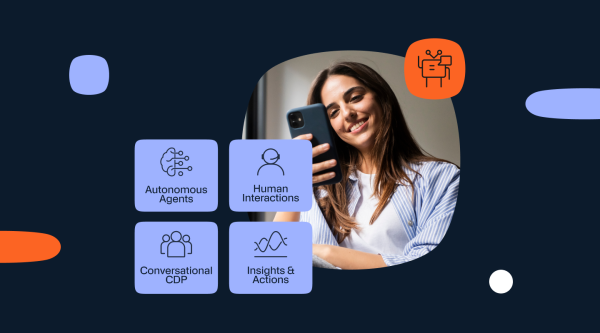
The shift happening now: AI agents that go beyond scripted responses. These agents understand intent, make decisions, take actions, and learn from every interaction. They don’t just answer questions – they resolve issues end-to-end, pulling data from multiple systems, executing transactions, and handing off to humans only when truly needed.
Unlike traditional chatbots that follow fixed paths, AI agents adapt in real time. A customer asking about a delayed order gets an agent that checks shipping status, offers alternatives, processes refunds, and updates delivery preferences, all in one conversation. Context carries across channels: start on WhatsApp, continue via web chat or voice without repeating yourself.


Predictive engagement and intent signals
Sentiment tracking and behavioral data reveal what customers will do before they do it. Churn prediction identifies at-risk customers weeks in advance. Purchase intent signals show who’s ready to buy. Engagement scoring highlights advocates ready to refer friends.
The next evolution: Combining multiple signals for more accurate predictions. Someone with declining usage, negative sentiment in recent support chats, and increased competitor research activity? High churn risk. Platforms that unify customer data across touchpoints can trigger win-back campaigns before customers cancel.
Advanced analytics now track micro-behaviors that indicate intent: time spent on pricing pages, frequency of support tickets, changes in purchase patterns, shifts in channel preference. These signals, when analyzed together, create remarkably accurate predictions about future behavior.
Privacy-first personalization
GDPR and CCPA are just the beginning. Privacy regulations continue to tighten globally. Third-party cookies are disappearing. Customers expect transparency about how their data gets used.
First-party data strategies become critical. Focus on information customers voluntarily share through accounts, purchases, and preferences. Build trust by being clear about data usage and giving customers control. Use privacy-safe personalization techniques that deliver relevance without invasive tracking.
The challenge: Delivering personalized experiences while respecting privacy boundaries.
The solution: Consent-based data collection, transparent data practices, and anonymization techniques that protect individual identity while still enabling relevant engagement. Platforms that prioritize compliance and transparent data practices will win customer trust.
Cross-device stitching and identity resolution
Customers switch devices constantly. They browse products on mobile during their commute, research on desktop at work, and purchase on tablets at home. Without cross-device recognition, you see three different people instead of one continuous journey.
Cross-device stitching unifies these sessions into single profiles. You recognize the same person across devices and maintain context throughout their journey. Messages stay relevant because you know what they did on other devices. You don’t repeat information or contradict previous interactions.
Identity resolution technologies now combine deterministic matching (logged-in behavior) with probabilistic techniques (device fingerprinting, behavioral patterns) to create unified customer views.
The goal: seamless experiences that acknowledge the full customer journey, regardless of which device someone uses at any given moment.
Getting started with customer engagement platforms
Customer engagement platforms aren’t optional anymore. They’re essential infrastructure for businesses that want to compete on customer experience. The right platform unifies your data, orchestrates personalized journeys across channels, and turns engagement into measurable business outcomes: higher retention, better conversions, stronger loyalty.
Your next steps:
- Audit your current stack. Identify gaps in your customer data, channel coverage, and automation capabilities. Document what’s working and what’s holding you back.
- Define your priorities. Are you focused on retention, acquisition, or lifecycle optimization? Which channels do your customers prefer? What outcomes matter most to your business?
- Request demos from shortlisted platforms. Test workflow builders, integration capabilities, and analytics. Talk to customers in your industry about real-world performance.
- Map features to your business goals. If retention is your priority, focus on lifecycle automation and predictive analytics. If you’re scaling globally, prioritize infrastructure and compliance. If conversational commerce matters, evaluate chatbot capabilities and messaging channel coverage.
Infobip delivers all of this in one integrated platform: unified customer profiles through our customer data platform, journey orchestration with our customer engagement solution, omnichannel conversations, AI-powered chatbots, and global communications infrastructure. Whether you need full-stack engagement or specific capabilities via modular APIs, the platform adapts to your workflow.
FAQs about customer engagement platforms
Marketing automation focuses on campaign execution, often email-first, with scheduled sends and nurture sequences. Customer engagement platforms go further by unifying customer data across all touchpoints, orchestrating real-time interactions based on behavior, and managing both proactive campaigns and reactive conversations across multiple channels. Think of marketing automation as a subset of what engagement platforms do.
Not always, but a CDP like Infobip’s makes engagement significantly more effective. Without unified customer profiles, you’re working with fragmented data, and your personalization suffers. A CDP creates a single customer view that powers contextual, behavior-driven engagement. Many engagement platforms include CDP capabilities or integrate tightly with existing CDPs.
Costs vary widely based on scale, features, and channels. Expect $1,000 to $10,000+ per month, depending on message volume, contact database size, and complexity. Enterprise deployments with custom integrations and dedicated support run higher. ROI comes from higher retention rates, improved conversion rates, and increased customer lifetime value. Calculate potential revenue impact, not just platform costs.
Test channel preferences with your audience and track engagement metrics: open rates, click-throughs, conversions, and response times. Use AI-driven channel recommendations to analyze past behavior and suggest the best channel for each customer. Some customers prefer email for detailed information, while others respond faster to SMS or WhatsApp. Let data guide your channel strategy instead of assumptions.
Yes. Most platforms offer pre-built integrations with popular CRMs like Salesforce, HubSpot, Microsoft Dynamics, and Oracle. API-first platforms like Infobip support custom integrations for proprietary systems or less common tools. Integration syncs customer data, tracks engagement history, and ensures your CRM and engagement platform work together seamlessly.