

Create, send & automate WhatsApp newsletter tailored to your business
A WhatsApp newsletter allows businesses to share updates, promotions, and important information directly within a familiar chat environment.

Reaching customers today requires meeting them on the channels they already use and trust. While Email remains an essential part of many marketing strategies, messaging apps like WhatsApp have become a powerful addition to the mix, especially for timely, high-engagement communication.
A WhatsApp newsletter allows businesses to share updates, promotions, and important information directly within a familiar chat environment. Because messages are delivered instantly and designed to be conversational, brands often see faster responses and stronger engagement compared to traditional broadcast channels. From product launches to service notifications, WhatsApp newsletters help businesses stay visible and relevant at key moments.
Before we go deeper into how brands use this channel, let’s first clarify what we mean by a WhatsApp newsletter and how it actually works in practice.
What is a WhatsApp newsletter?
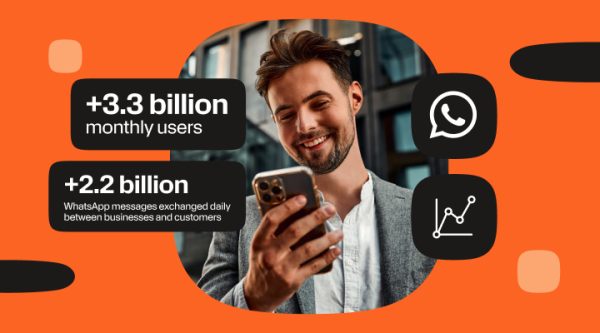
A WhatsApp newsletter is a marketing message sent to multiple recipients simultaneously. It functions similarly to an email blast but lands in a much more intimate environment, the chat app used by billions globally.
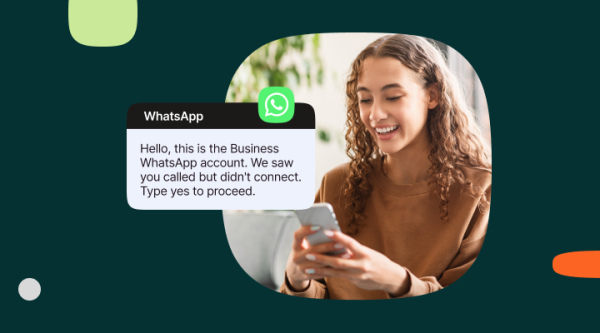
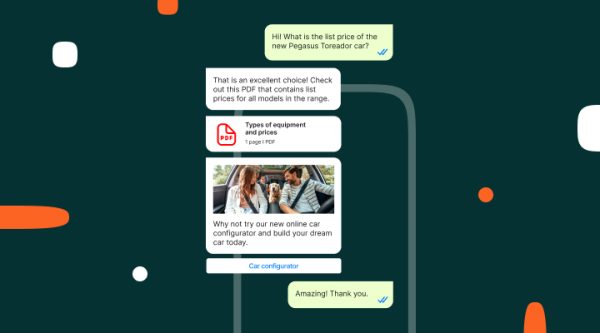
These newsletters are not just blocks of text. They support rich media formats, including images, videos, PDFs, and interactive elements like CTA buttons and product catalogs. Because WhatsApp is a permission-based channel, users must opt-in to receive them, meaning your audience is inherently high-intent and interested in what you have to offer.
Now that you understand the concept, the next important step is knowing how these messages are sent. Not all WhatsApp tools are built for newsletter-scale communication.
Unique features & benefits of WhatsApp newsletters
Why should you prioritize newsletter WhatsApp campaigns over other channels? The benefits go beyond just delivery speed. They fundamentally change how customers interact with your brand. Here are the specific advantages newsletters deliver via WhatsApp:
- 98% open rates
- Buttons and interactivity: Use Quick Reply buttons or “Call to Action” links to reduce friction and drive clicks.
- Automated delivery: Trigger newsletters based on user behavior via the API.
- Better personalization: Inject data (like first name, last purchase, or loyalty tier) directly into the message.
- Compliance-first: The strict opt-in policy ensures you are only messaging people who want to hear from you, protecting your brand reputation.
- Ideal for urgency: Perfect for flash sales, service updates, and exclusive product drops where timing is critical.
Once you understand the value, the focus shifts to execution. A high‑performing WhatsApp newsletter requires structure, strategy, and the right setup.
Craft impactful WhatsApp newsletters: Step by step
Creating a successful newsletter requires more than just writing copy. You need a strategy to ensure you aren’t just adding noise to your customer’s day.
Follow these steps to structure your content effectively:
- Define the goal: Decide if the newsletter is for sales (promotions), retention (loyalty updates), or education (tips and tricks).
- Build your list: Collect opt-ins via your website, email footer, or QR codes in-store.
- Choose a WhatsApp newsletter tool: Select a provider like Infobip that supports high-volume sending and automation.
- Create an approved template: Draft your message template and submit it to Meta for approval (this usually takes minutes).
- Add engaging content: Include an image or video header and clear CTA buttons.
- Automate delivery: Schedule the send for optimal times or trigger it based on a customer action.
- Track and optimize: Monitor open rates and button clicks to refine future campaigns.
Even with a solid strategy, your results will heavily depend on the tool you choose. This is where many businesses run into limitations when starting with the basics.
WhatsApp newsletters in the app vs the API
If you try to run a professional newsletter using the free WhatsApp Business App, you’ll quickly hit a wall. Here’s what you can’t do practically with the app version:
- Group broadcast limits: You can’t send a message to more than 256 people at once.
- Manual labor: You must manually select contacts and hit send; there are no automated workflows.
- Recipient requirements: Users will only receive your broadcast if they have saved your business number in their phone contacts. This is a massive barrier to entry.
- Delivery reliability: Sending too many messages manually can get your number flagged or banned for spamming.
- Personalization depth: You can’t automatically insert customer names or data points into bulk messages.
To avoid those limitations and operate at a professional level, you’ll need to follow a clear process using the WhatsApp Business Platform. Here’s how it works step by step.
How to send a WhatsApp newsletter
Sending a professional newsletter requires access to the WhatsApp Business Platform. Infobip makes this process seamless, handling the technical API connections, so you can focus on the message. Here is the step-by-step guide for sending newsletters:
- Get WhatsApp API access: Sign up with a Business Solution Provider (BSP) like Infobip.
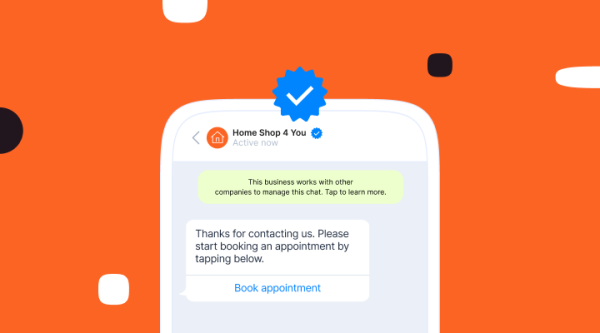
- Verify your WhatsApp Business account: Complete the Meta business verification to get your phone number approved (and potentially a blue tick).
- Create a template: Design your WhatsApp business newsletter template with text, media, and buttons. Submit it for approval.
- Import your audience: Upload your contact list or connect WhatsApp to your CRM. Use segmentation to target the right people (e.g., “Customers who bought shoes in the last 30 days”).
- Build the campaign: In the Infobip interface, select your template and audience.
- Schedule or automate: Choose to send immediately, schedule for later, or trigger based on an API event.
- Review reports: Analyze delivery rates, read receipts, and click-throughs to optimize.
Theory is helpful, but real inspiration comes from seeing how these newsletters look in action. Below are proven examples of WhatsApp newsletter formats that consistently drive engagement.
WhatsApp newsletter examples
Visualizing the output helps you design better campaigns. Here are common types of newsletters that drive results:
- Product launches: A teaser video of a new product with a “View Collection” button.
- Promotions & discounts: A Black Friday alert with a direct discount code and a “Shop Now” link.
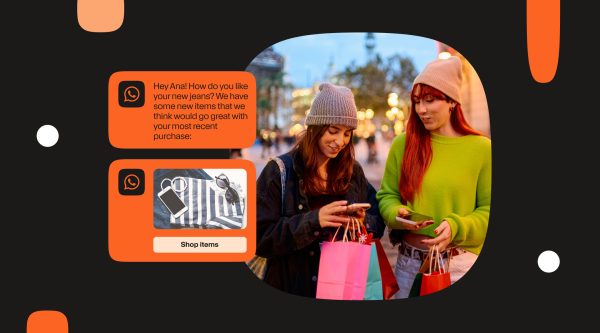
- Loyalty updates: A personalized message telling a user they have enough points for a reward.
- Re-engagement messages: “We miss you” campaigns offering a small incentive to return.
- Seasonal campaigns: Holiday greetings combined with a curated gift guide.
- Cross-sell lists: “If you liked X, you might love Y” recommendations.
- Travel updates: Itinerary reminders and check-in prompts.
One brand that has perfected this approach at scale is Booking.com. Their WhatsApp strategy shows how powerful the channel can be when used for real customer value.
WhatsApp newsletter for Booking.com
Booking.com is a prime example of using WhatsApp for high-value communication. They use the channel to reduce friction for travelers.
Why their strategy works:
- Travel utility: They send booking confirmations, gate changes, and check-in links where travelers are most likely to see them, on their phones.
- Preference for chat: Travelers on the move prefer quick text updates over searching through email folders.
- Automated CX: They use automation to offer upgrades or car rentals at the exact moment a customer is likely to need them.
Of course, WhatsApp doesn’t replace every other channel. To build a sustainable strategy, it’s important to understand how it compares to email and where each one shines.
WhatsApp & Email: Pros and cons
WhatsApp is Emails powerful companion. Knowing when to use which channel is key to a balanced strategy.
| Feature | WhatsApp newsletter | Email newsletter |
|---|---|---|
| Response time | Instant (minutes) | Slower |
| Content format | Short, visual, conversational | Long-form text, visuals |
| Best use case | Alerts, limited-time offers, reminders | Storytelling, company news, education |
| Cost | Cost per image | Lower / flat fee |
| Compliance | Opt-in required | Opt-in required |
Businesses often use email for long-form educational content and WhatsApp for time-sensitive offers or alerts that require immediate action.
With many tools on the market, only a few can truly support enterprise-grade newsletters at scale.
Choosing a WhatsApp newsletter tool
Selecting the right WhatsApp newsletter software determines your ability to scale. You need a tool that goes beyond basic sending. Look for these capabilities:
- Enterprise reliability: High uptime and global deliverability to ensure messages actually arrive.
- Automation: A drag-and-drop builder for creating chatbots and automated flows.
- Segmentation: Deep filtering options to target audiences based on behavior and demographics.
- Templates: Easy management and approval of message templates.
- Omnichannel support: The ability to fall back to SMS or email if a WhatsApp message isn’t delivered.
- Reporting: Granular analytics on delivery and engagement.
Once you know which role WhatsApp plays in your mix, the next decision is choosing the right technology partner to support your goals.
Why Infobip is the best WhatsApp newsletter software
Infobip is a global leader in omnichannel communication. Our platform offers direct connectivity to WhatsApp with over 9,700 global connections, ensuring your newsletters are delivered with speed and reliability. We provide an intuitive interface for building templates, managing complex data segmentation, and automating customer journeys. Whether you need to send ten thousand messages or ten million, Infobip’s infrastructure scales instantly, while keeping you fully compliant with local regulations and GDPR.
Even with the right platform, long-term success depends on how you use it. Following proven best practices will help you maximize engagement and avoid common pitfalls.
WhatsApp newsletter best practice advice
To keep your engagement high and your block rate low, follow these best practices.
- Message timing & frequency limits: Send messages when your users are active and avoid late nights or early mornings unless it is a critical alert. Do not over send. One high value message a week is usually better than daily spam.
- Content length & CTA placement: Keep messages short and scannable, since WhatsApp is a chat app and users don’t want to read a novel. Use buttons for your CTAs because they are easier to tap than links and look more professional.
- Personalization & segmentation strategies: Go beyond “Hi [Name]” by tailoring offers based on purchase history or behavior, and always segment your list so each message is relevant to the specific audience.
- Template optimization: Continuously test and optimize your templates, including different media headers (image vs video), to see what drives the highest engagement.
Alongside performance, compliance should always be top of mind. Let’s address one of the most common questions businesses have before getting started.
Are WhatsApp newsletters GDPR-compliant?
Yes, but only if you follow the rules. Compliance is a major advantage of the WhatsApp Business Platform.
- Opt-in is mandatory: You cannot message users who haven’t explicitly consented to receive WhatsApp messages from you.
- Easy opt-out: You must provide a clear way for users to unsubscribe (e.g., “Reply STOP to unsubscribe”).
- Data handling: Infobip helps ensure you remain compliant by managing consent logs and securing customer data according to GDPR standards.
The WhatsApp newsletter has transitioned from a trend to a critical communication channel. It offers the intimacy of a text, with the richness of an email, delivering engagement rates that other platforms can’t match. If you want to cut through the noise and connect with customers where they actually pay attention, it’s time to start building your WhatsApp strategy.
Infobip provides the scalable, compliant, and automated foundation you need to launch successful newsletters.
Start your journey today and turn conversations into conversions.